







Rugs & Carpets
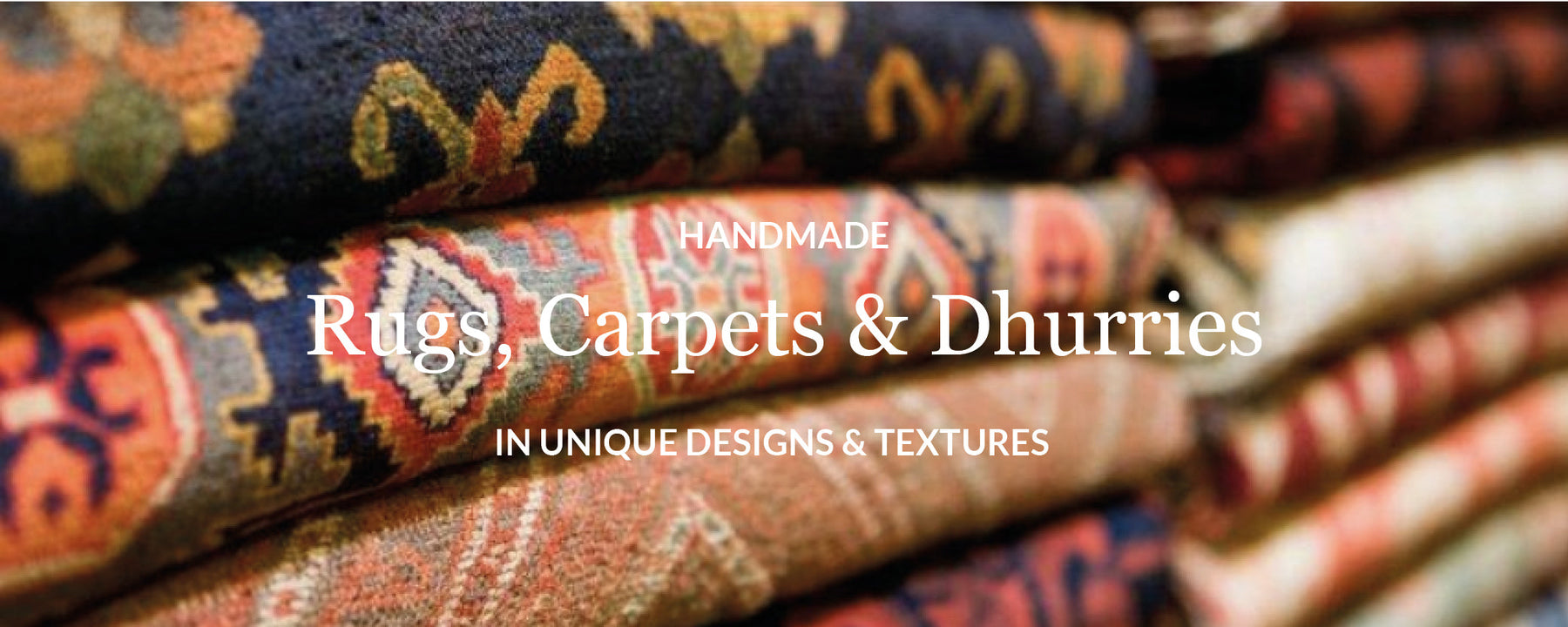
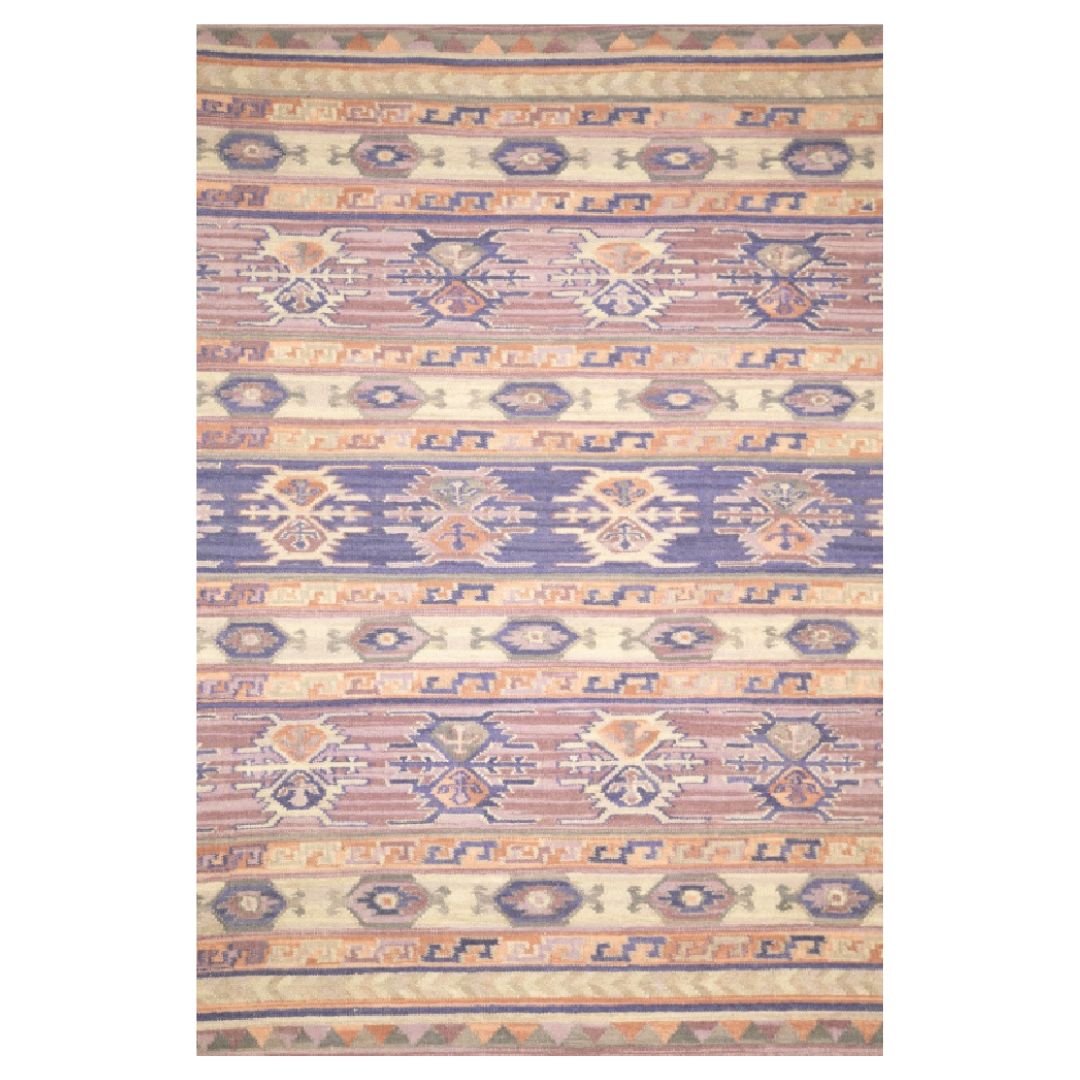
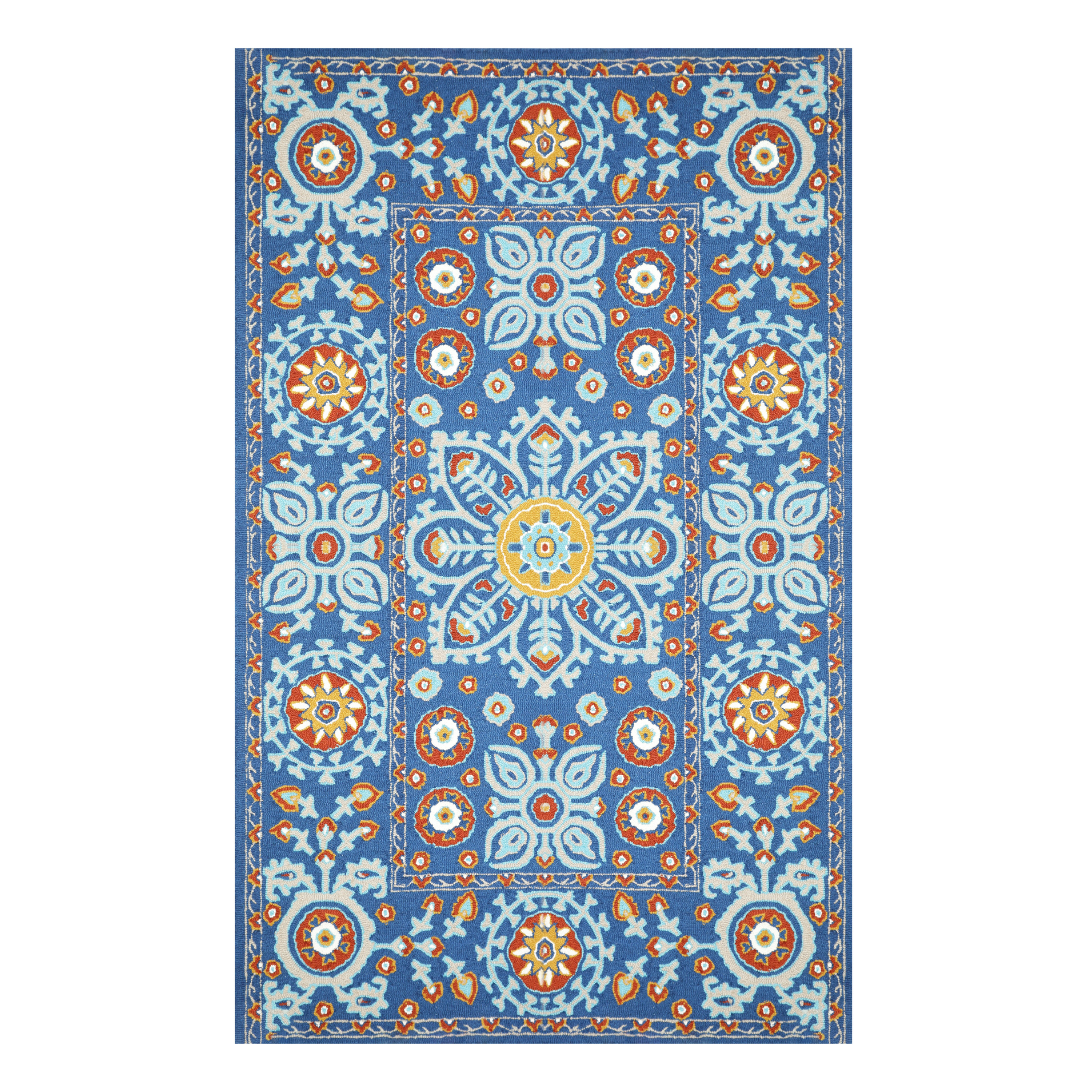
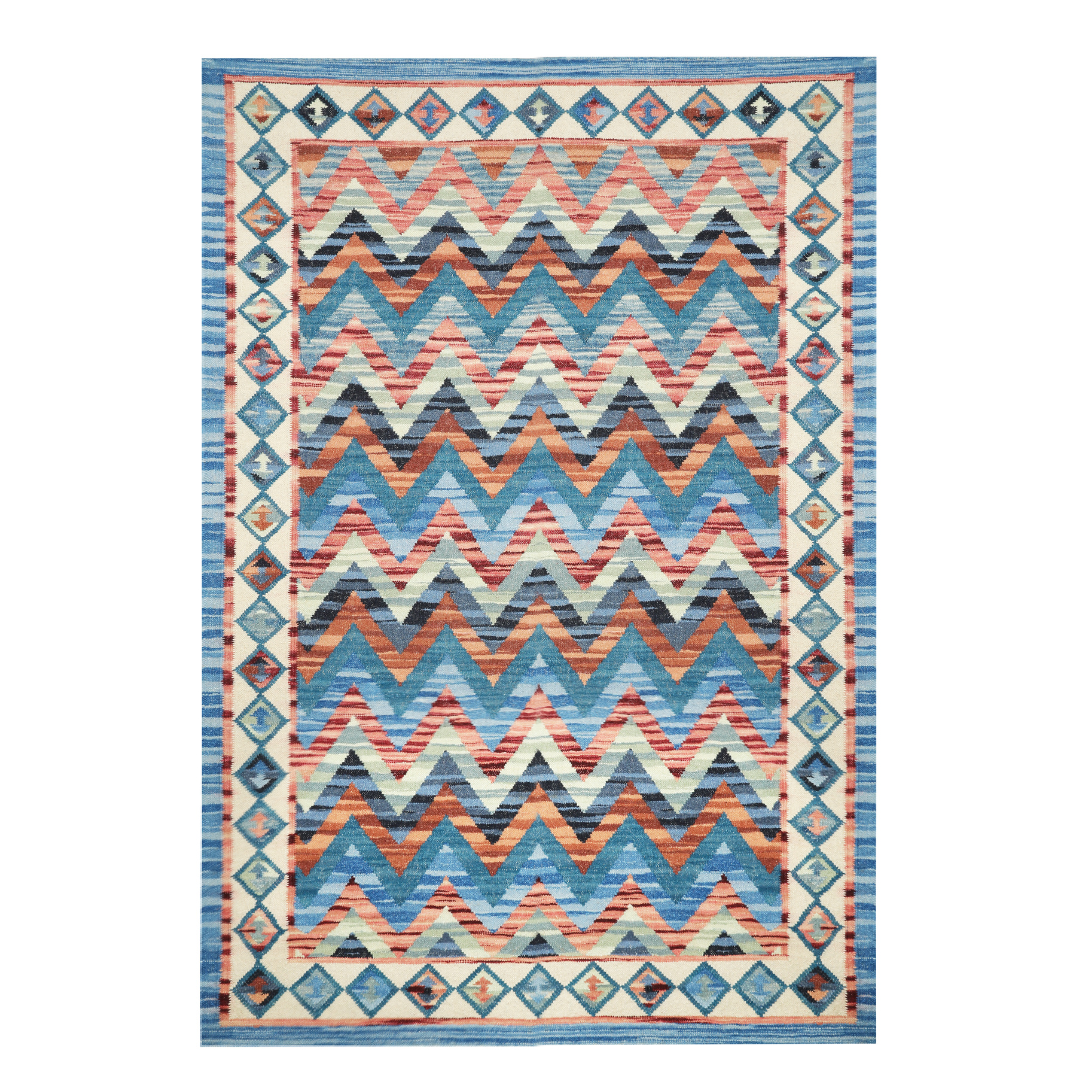
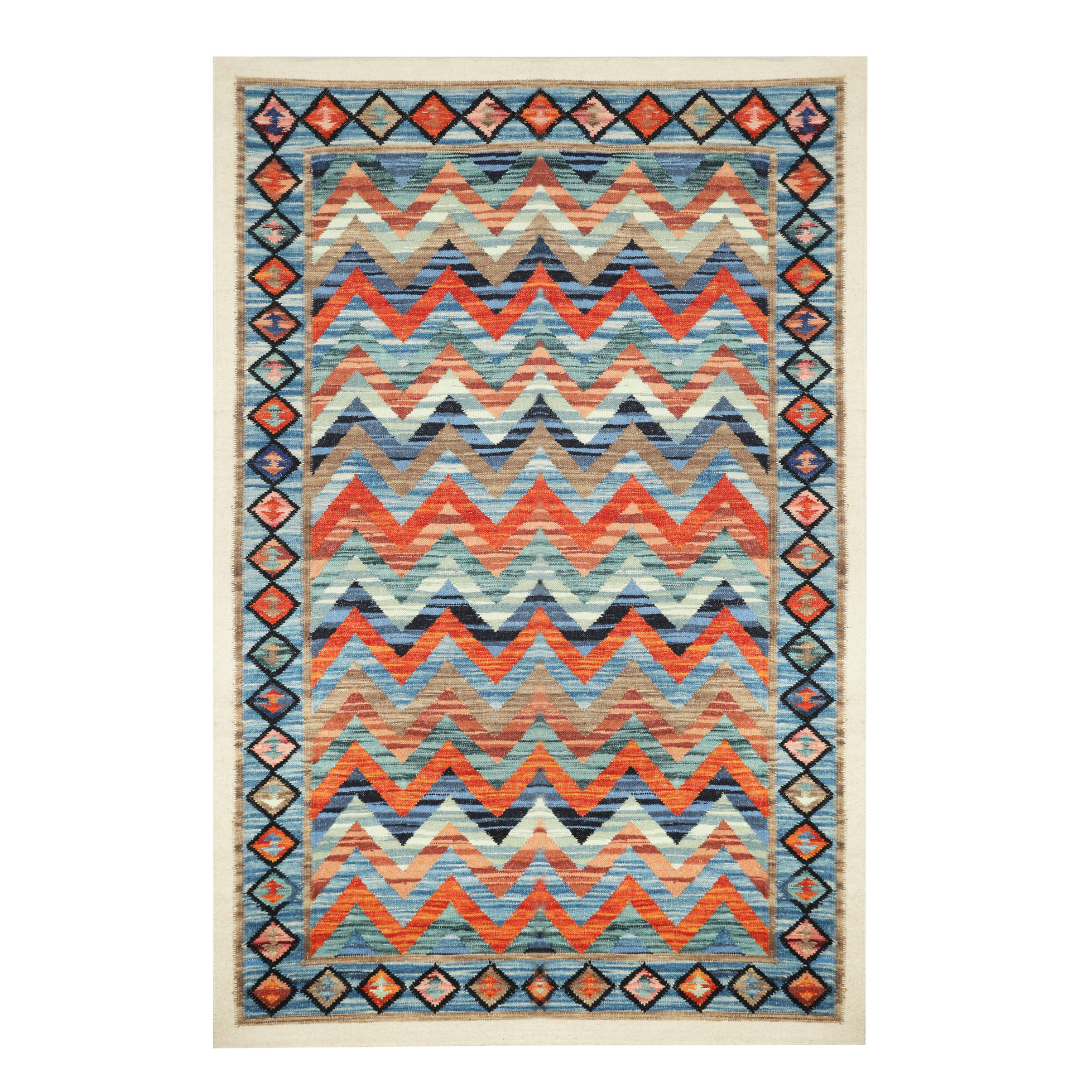
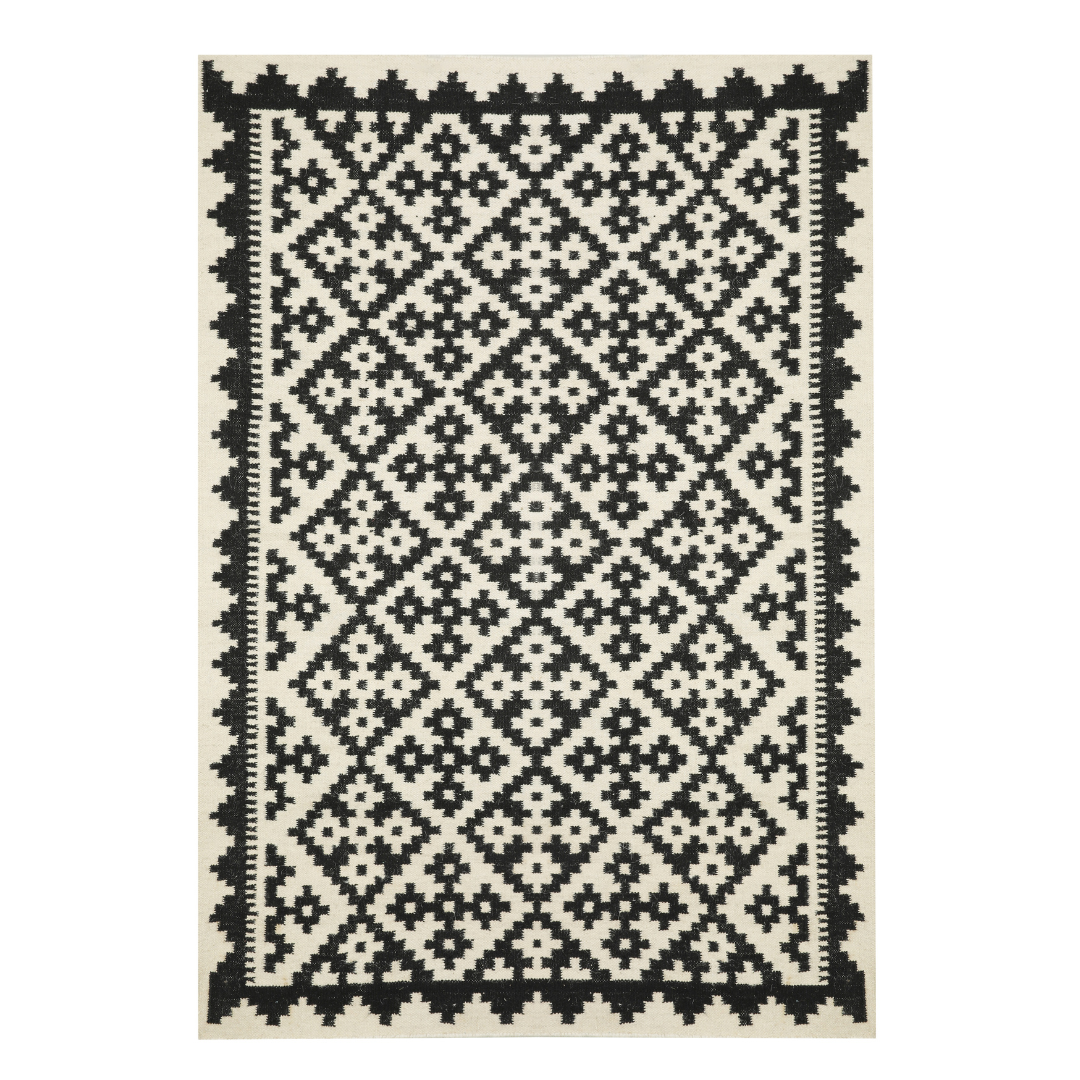
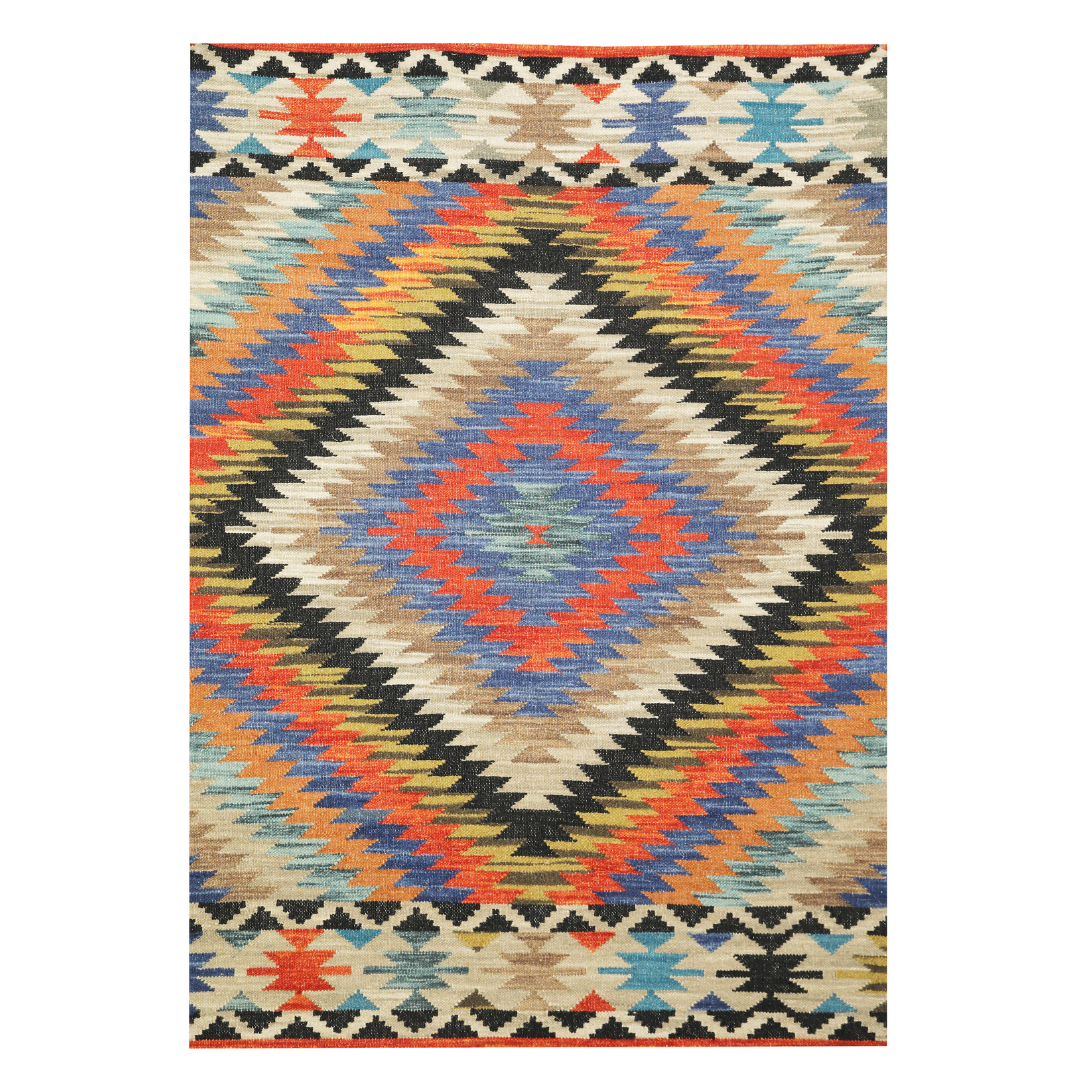
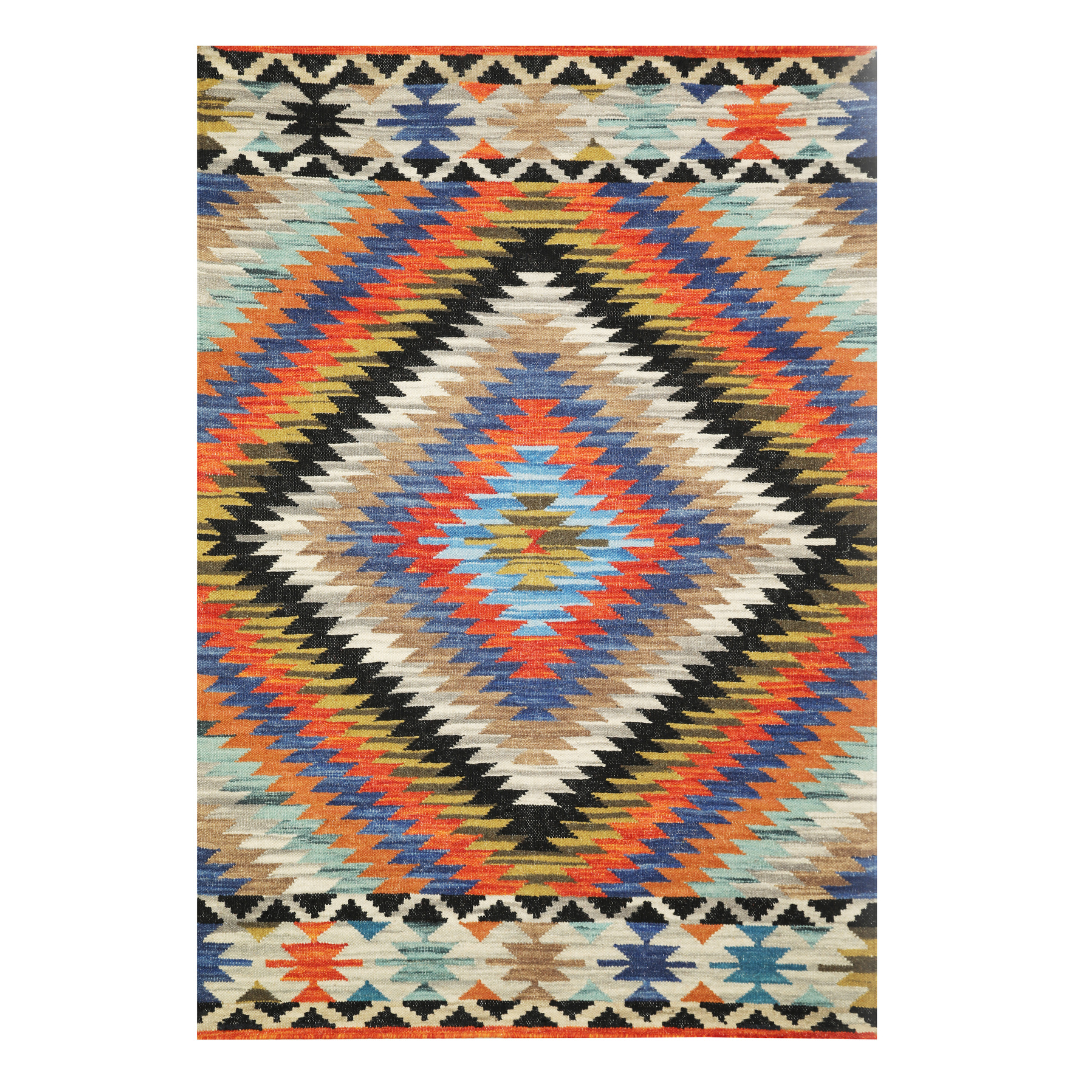
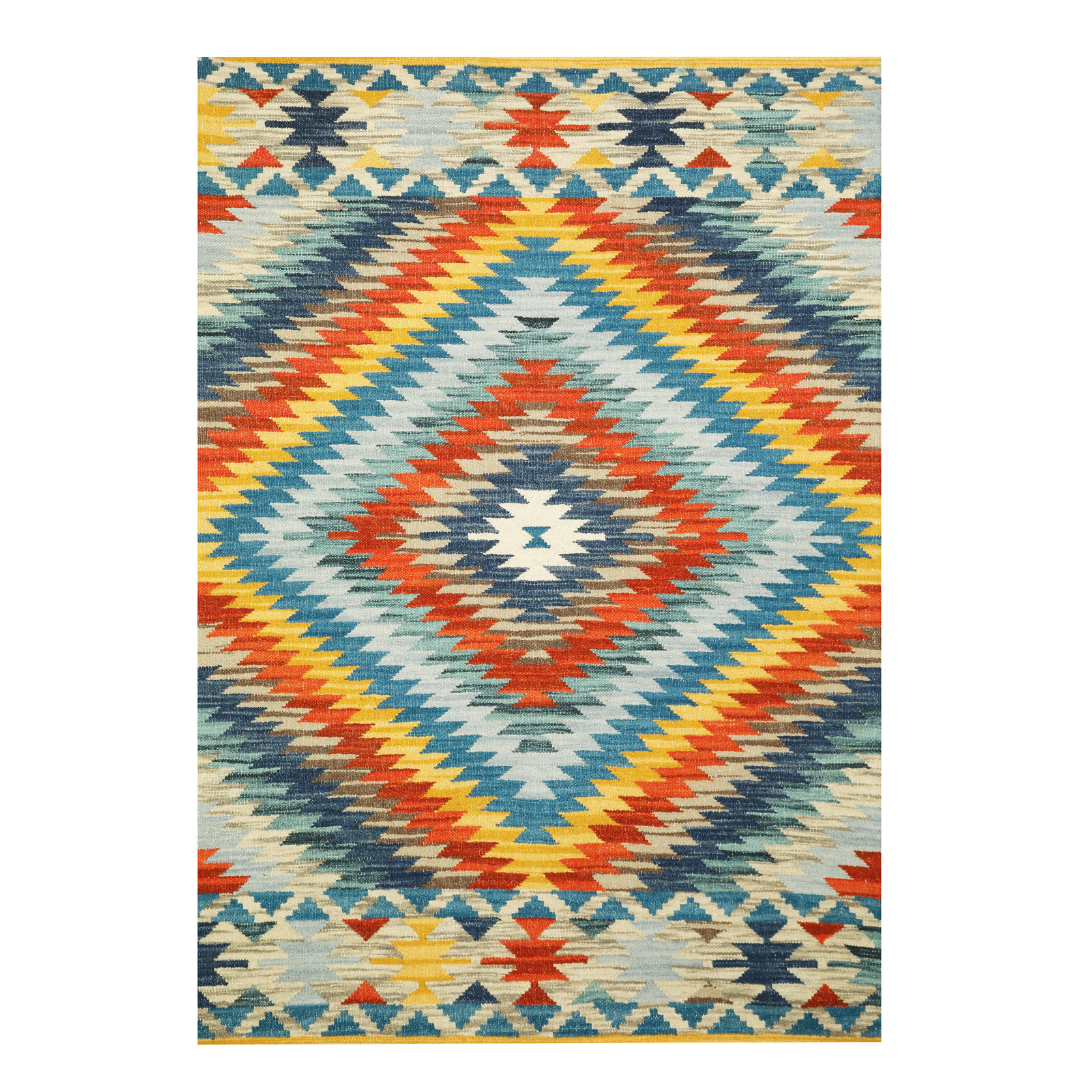
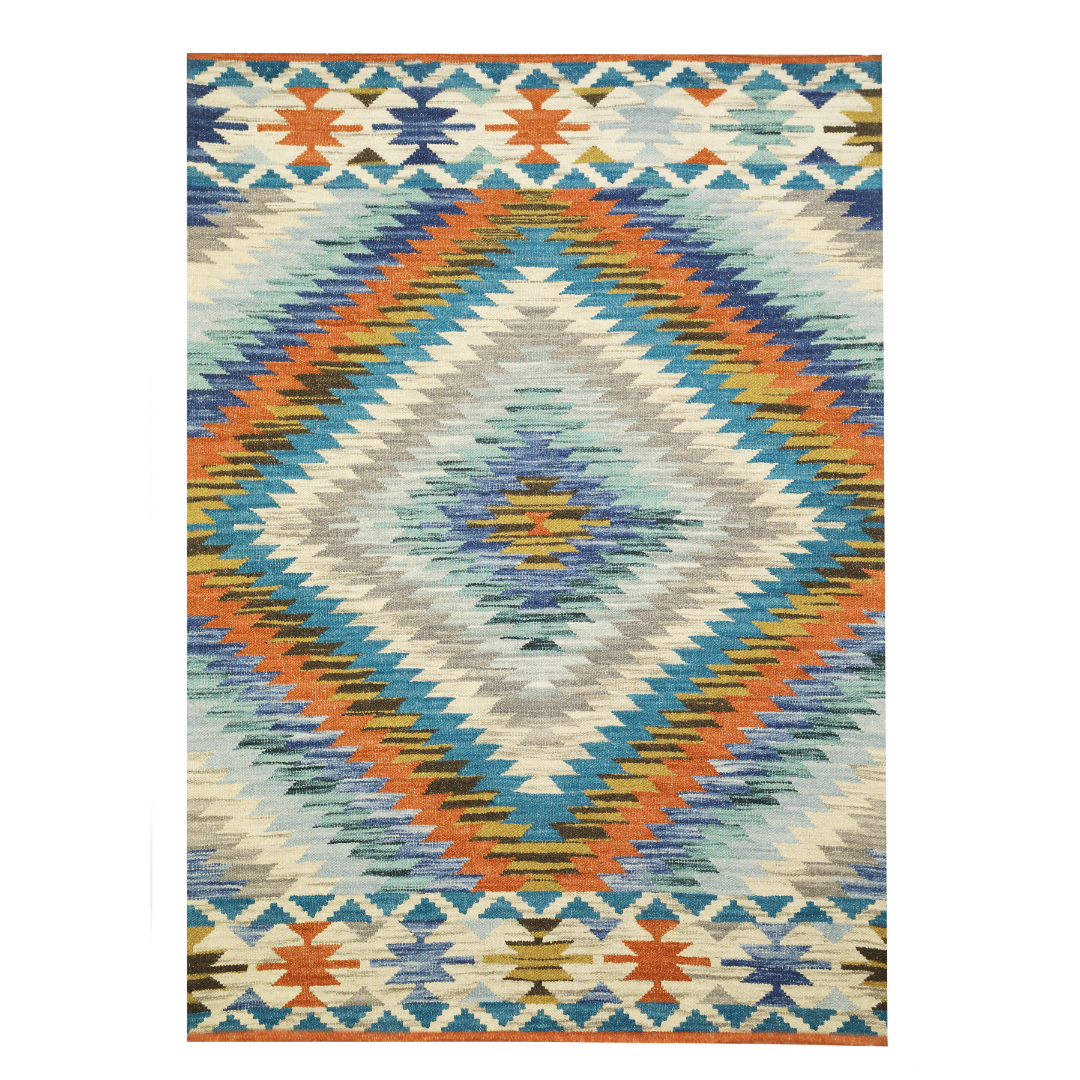
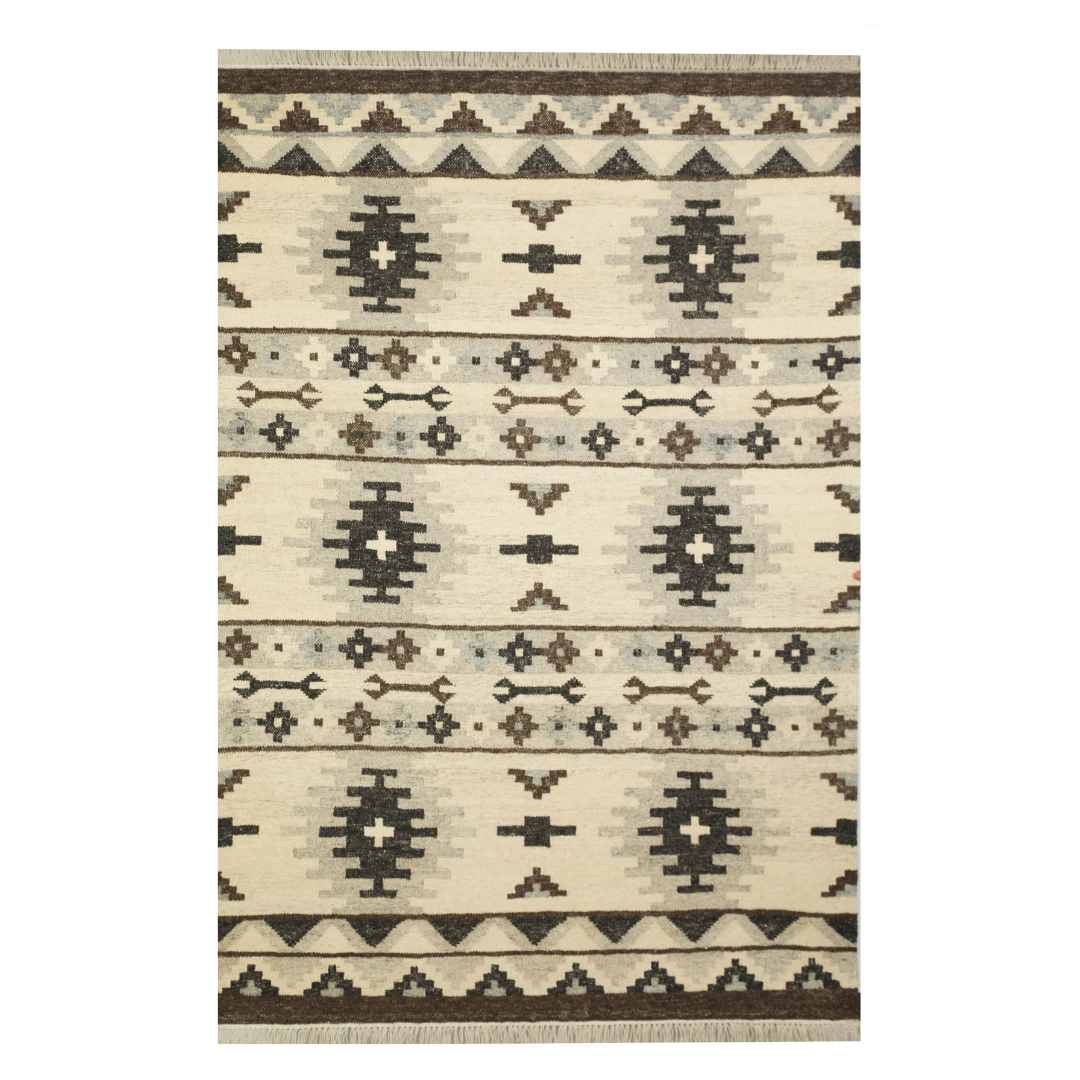
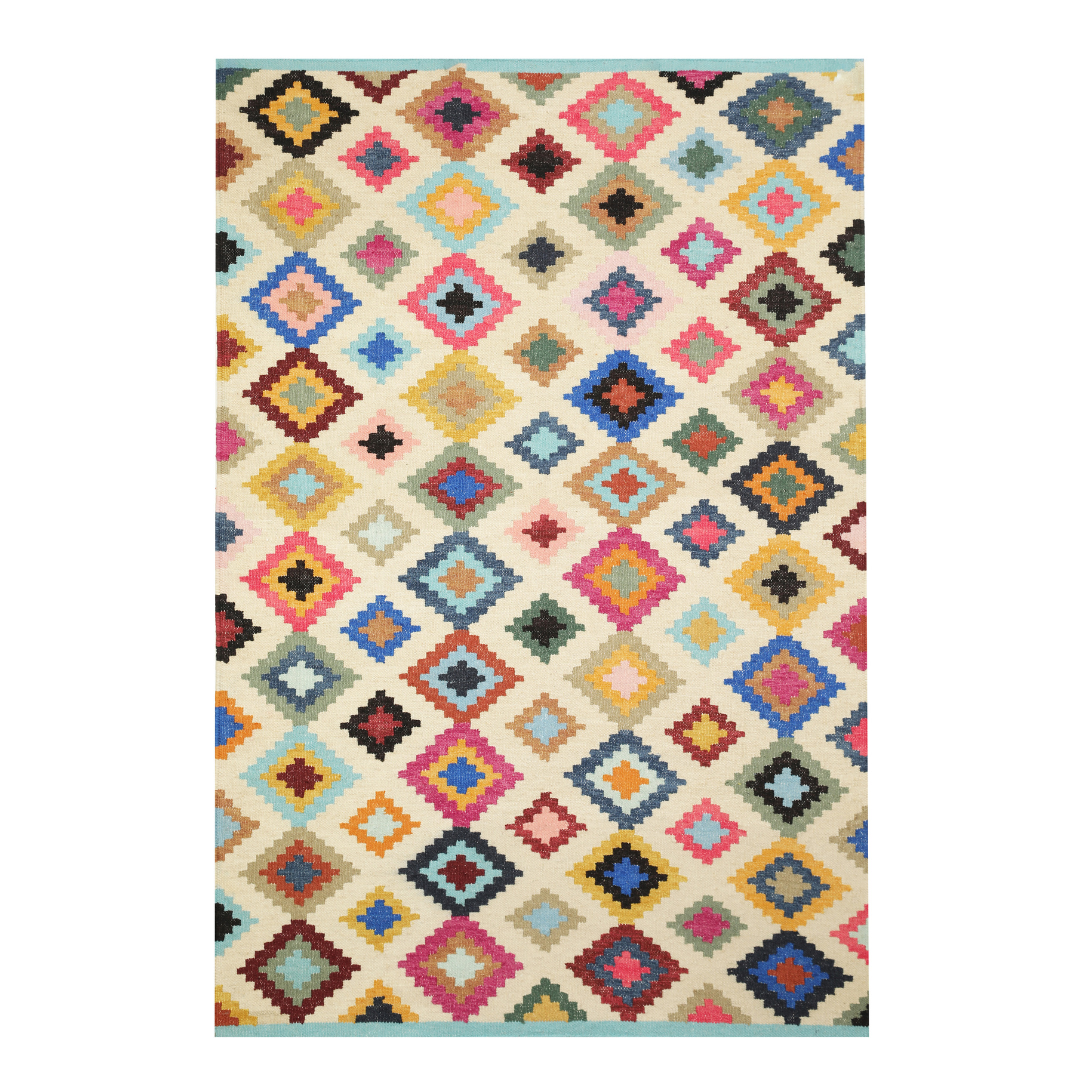
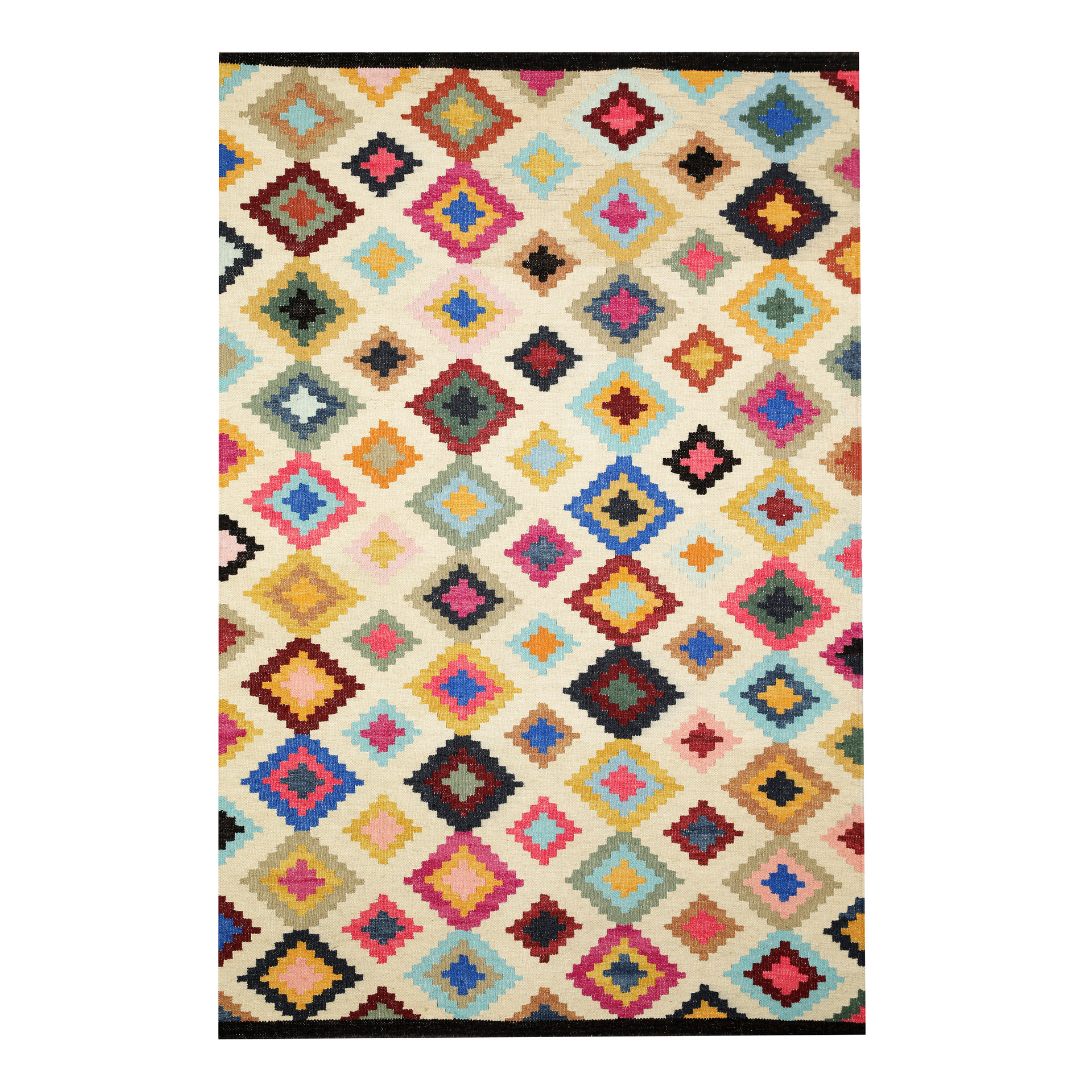
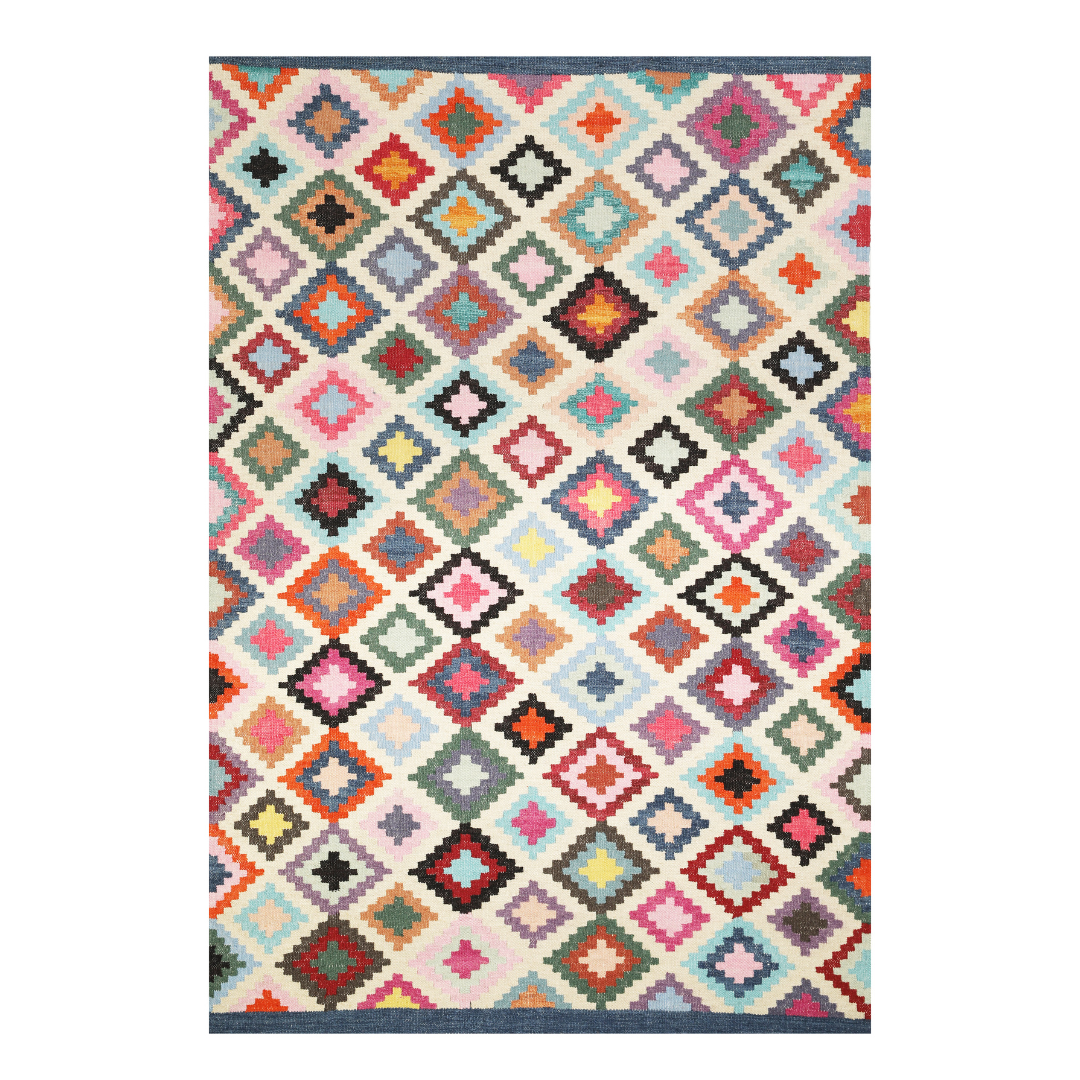
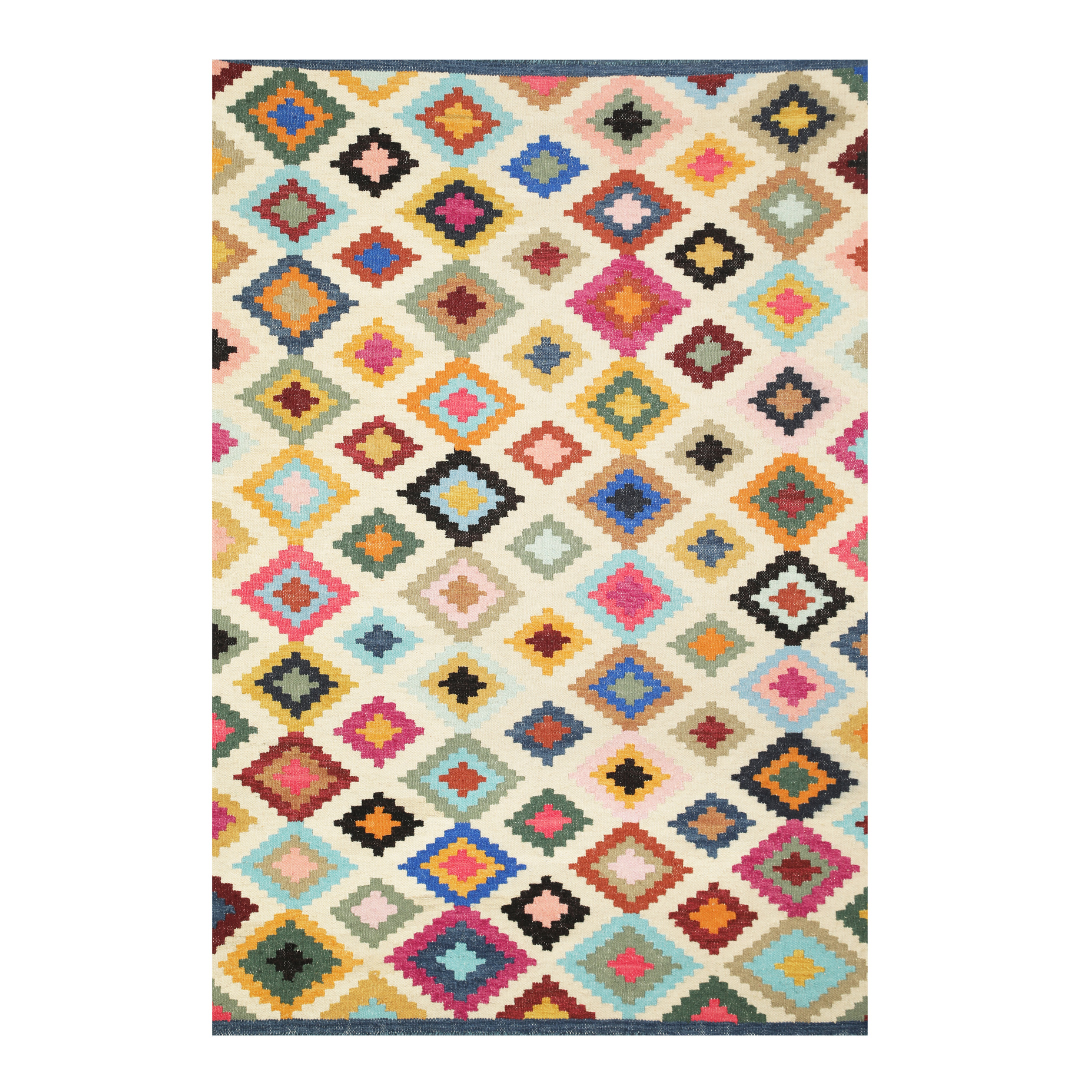
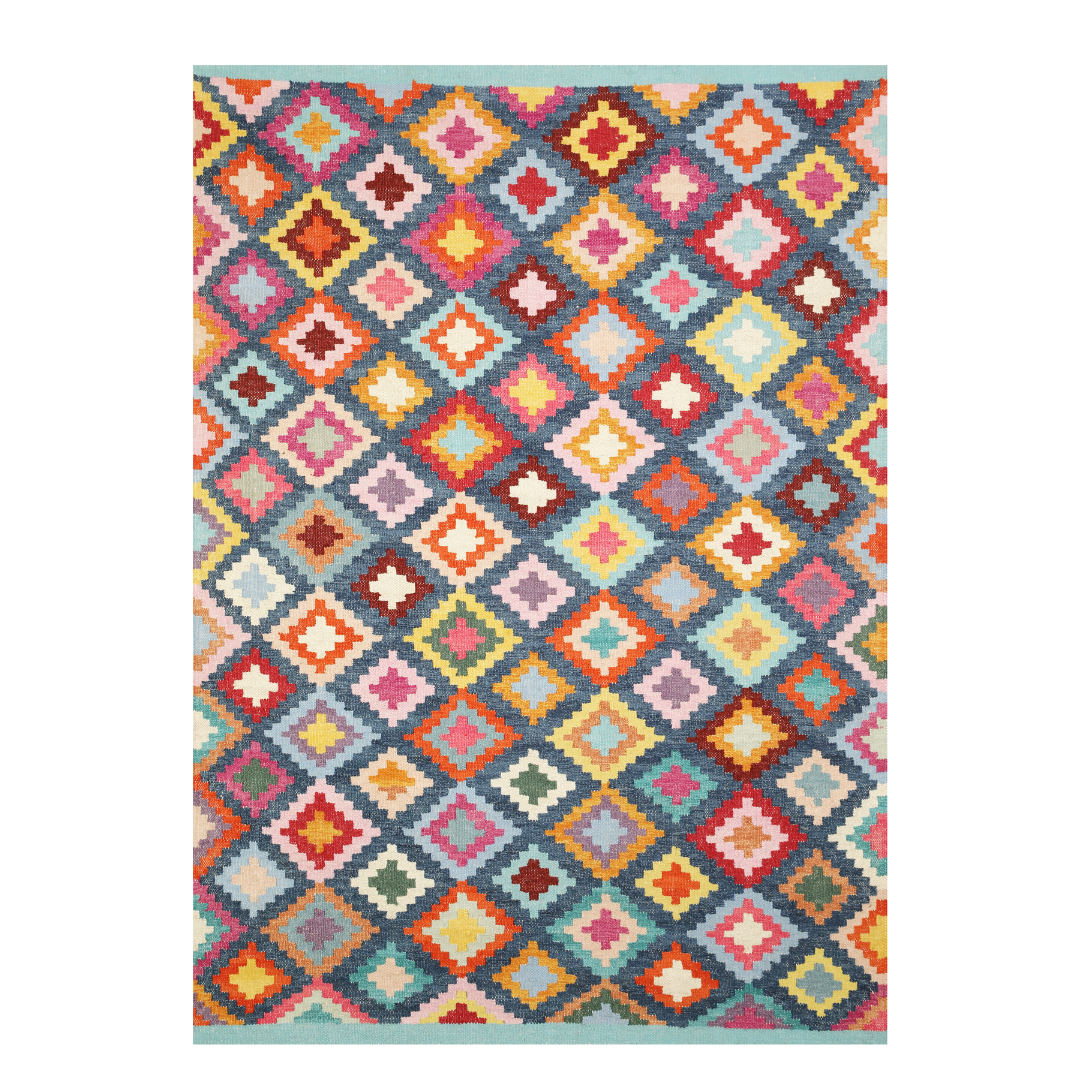
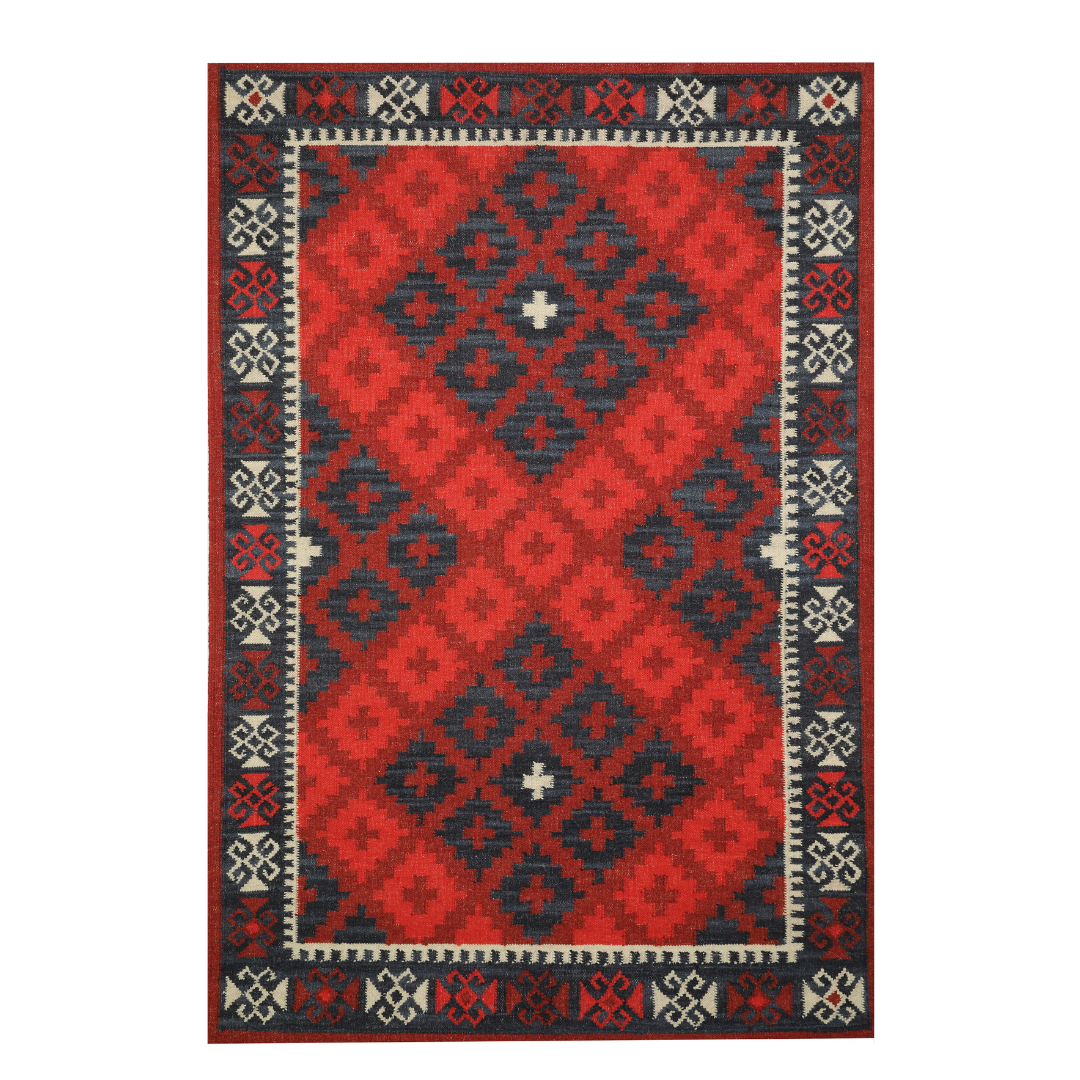
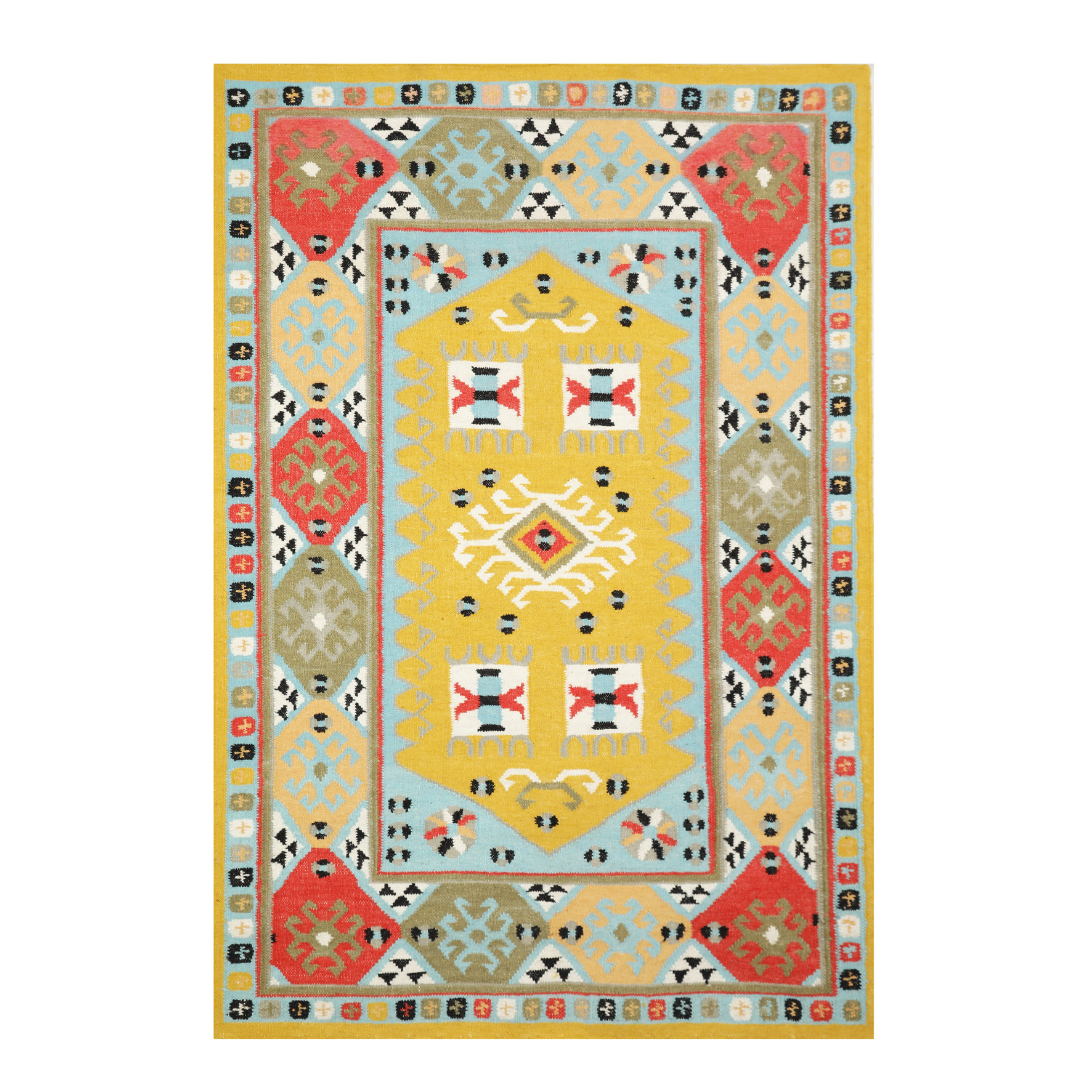
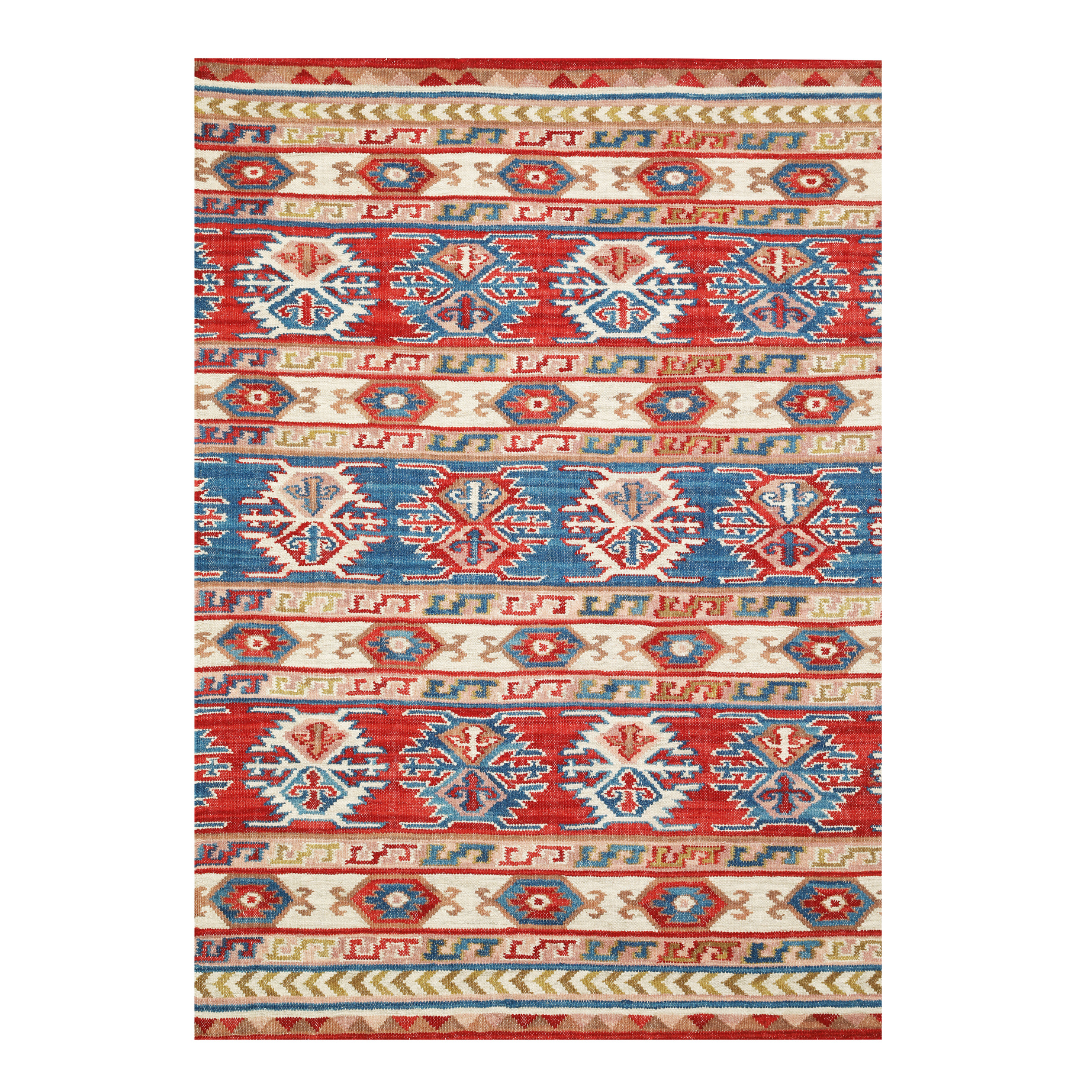
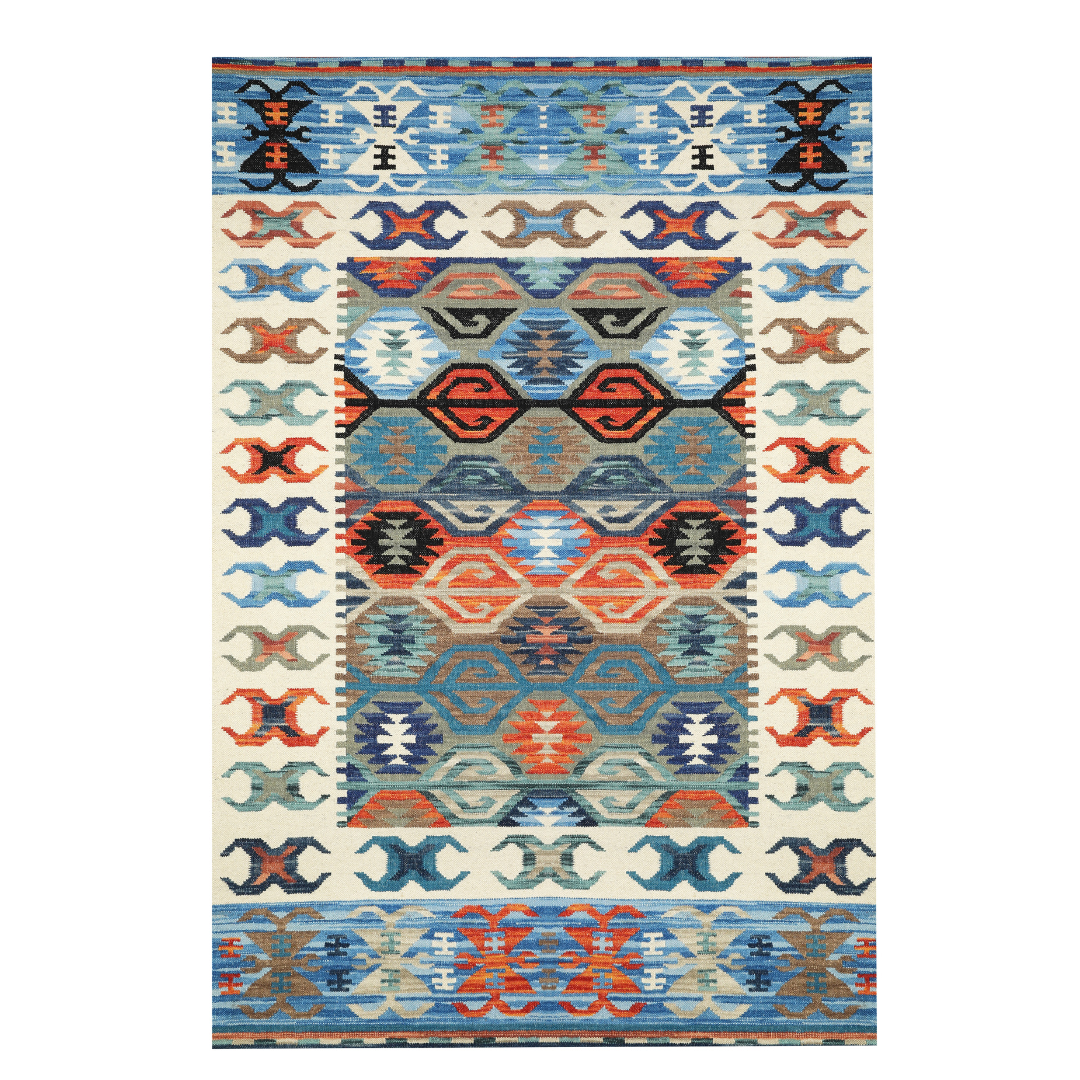
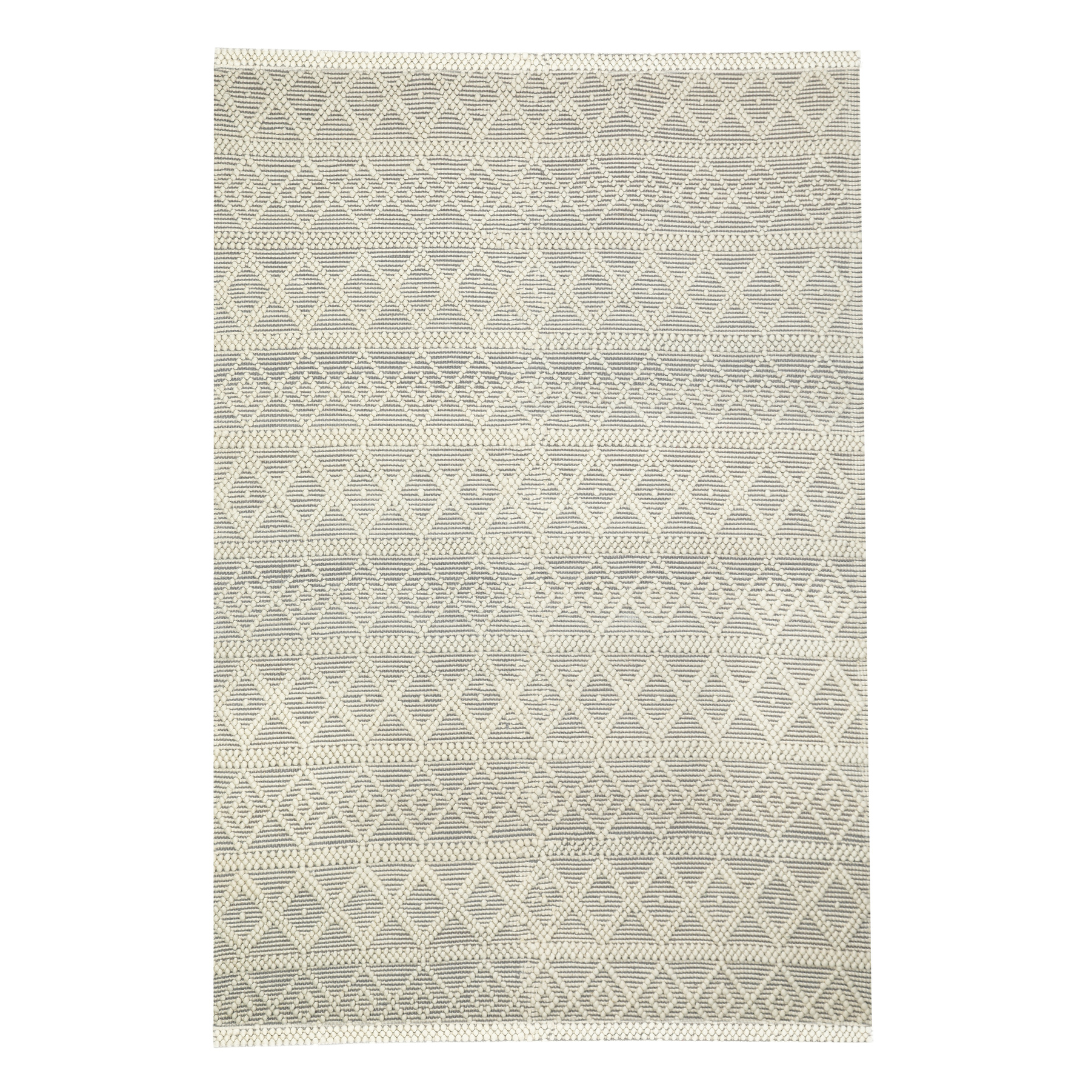
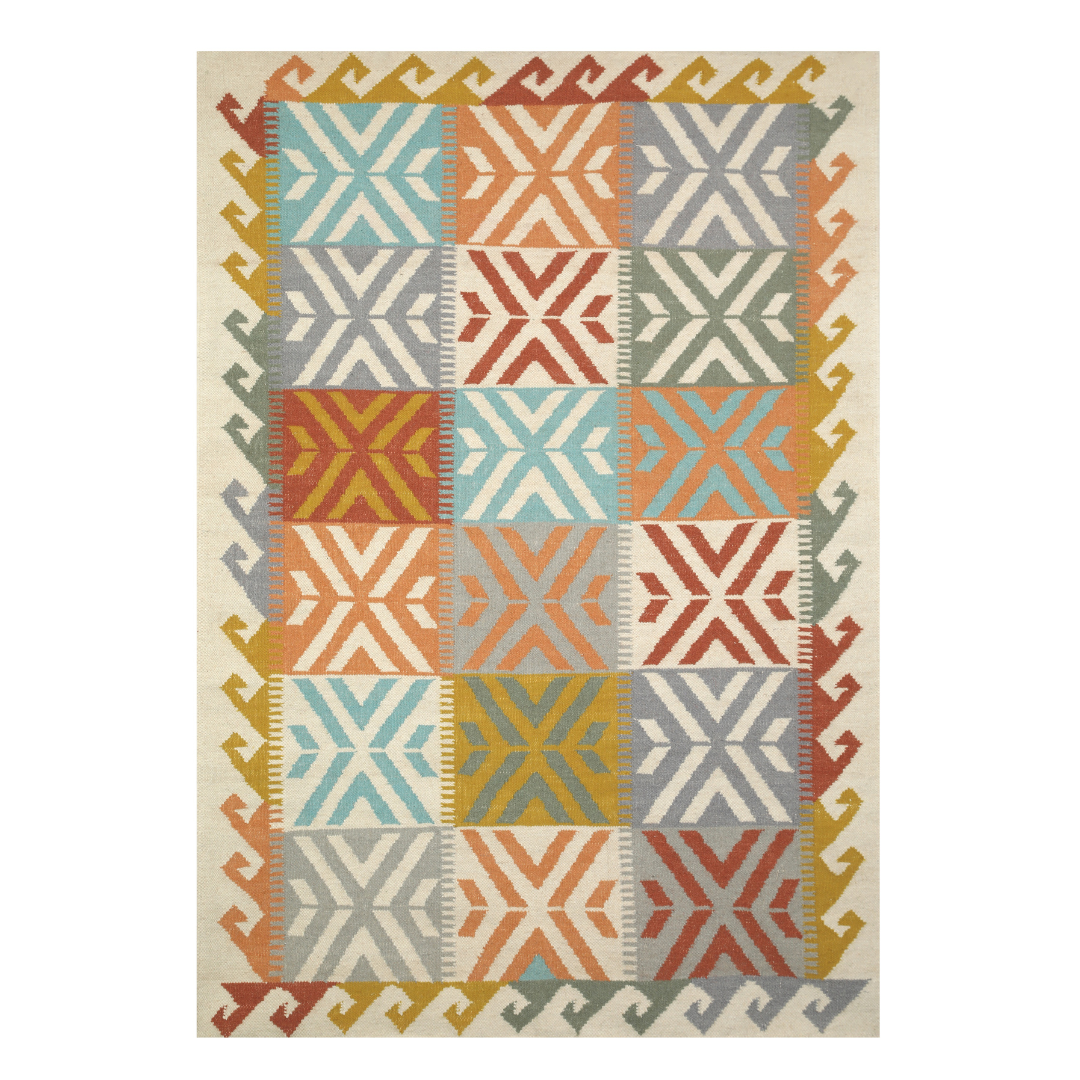
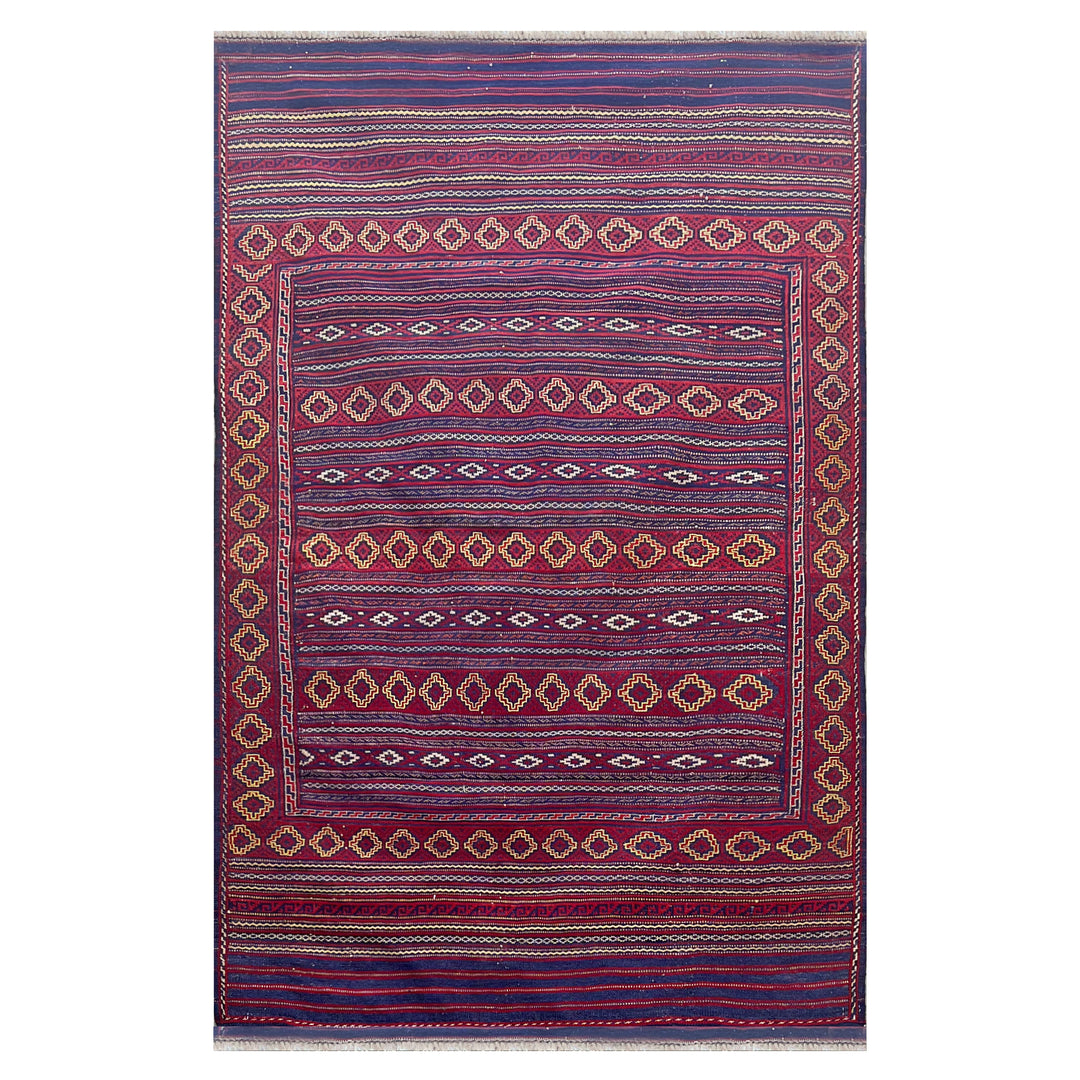
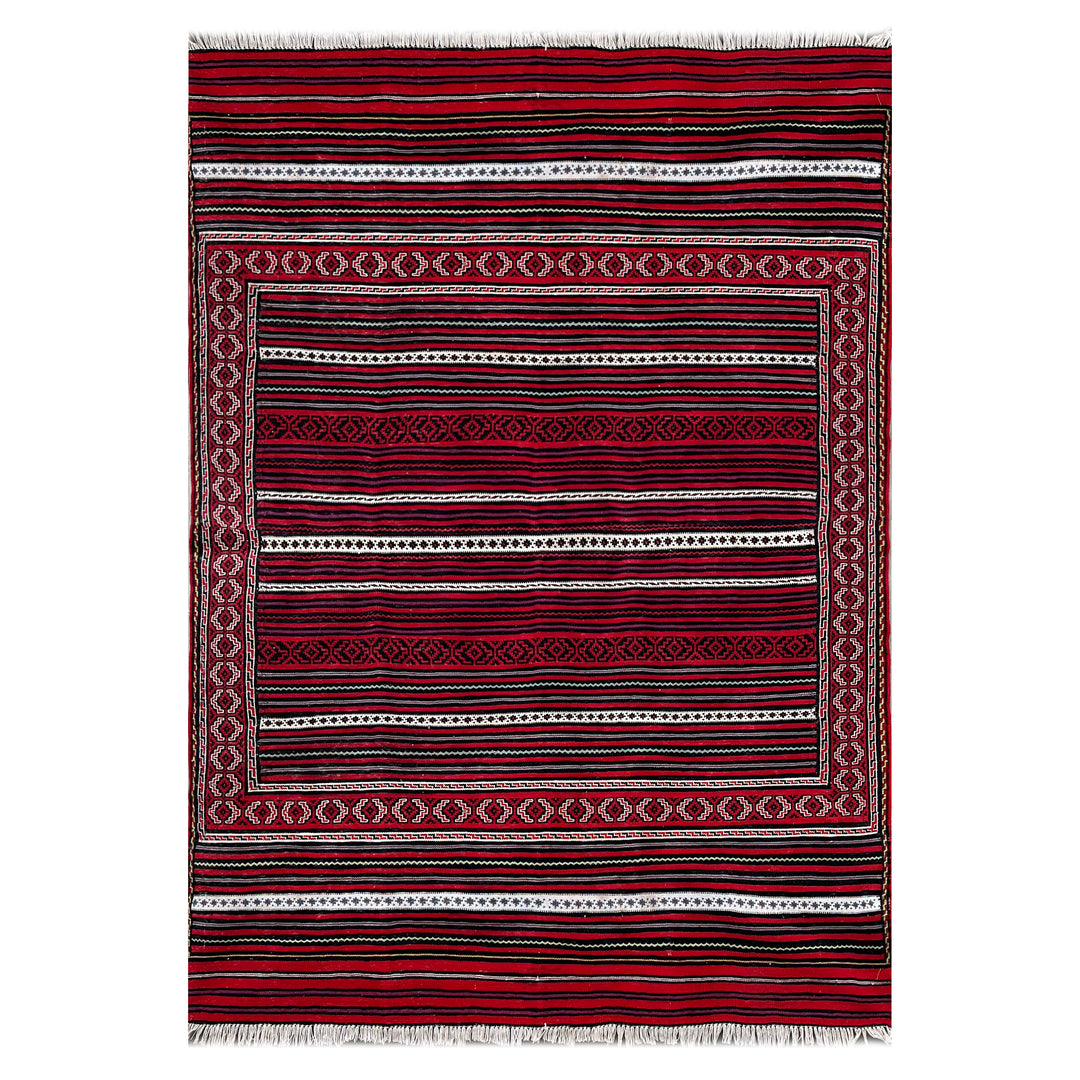
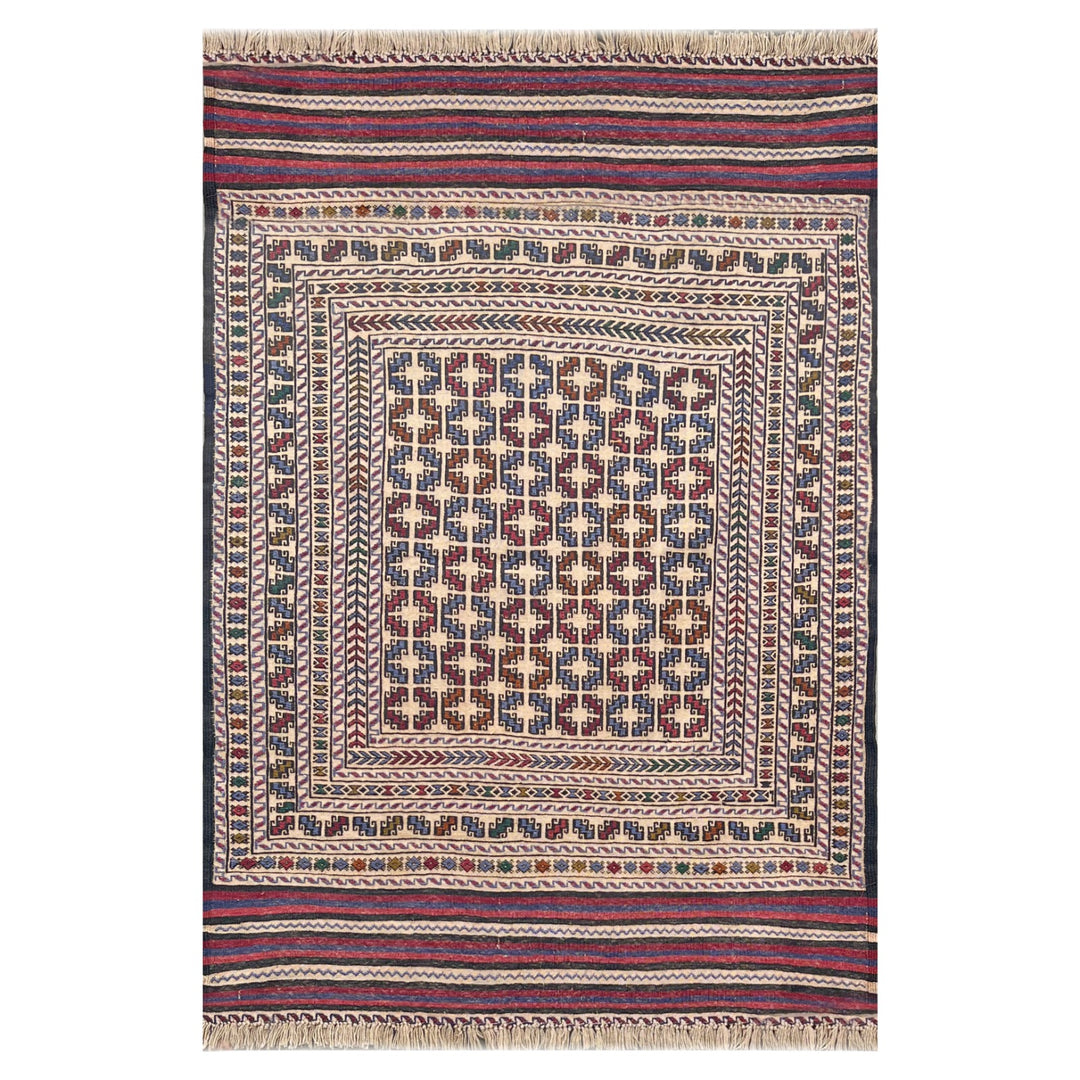
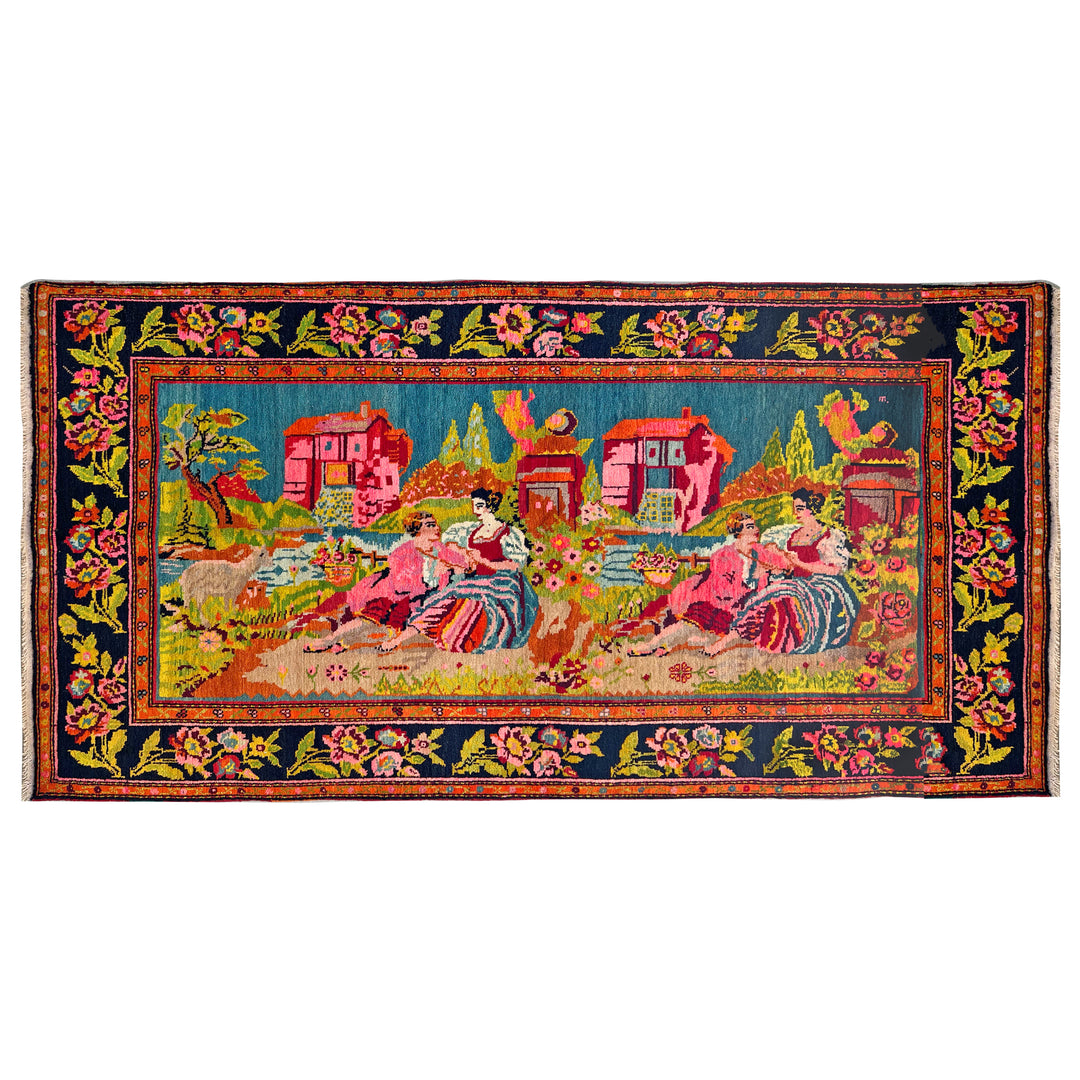
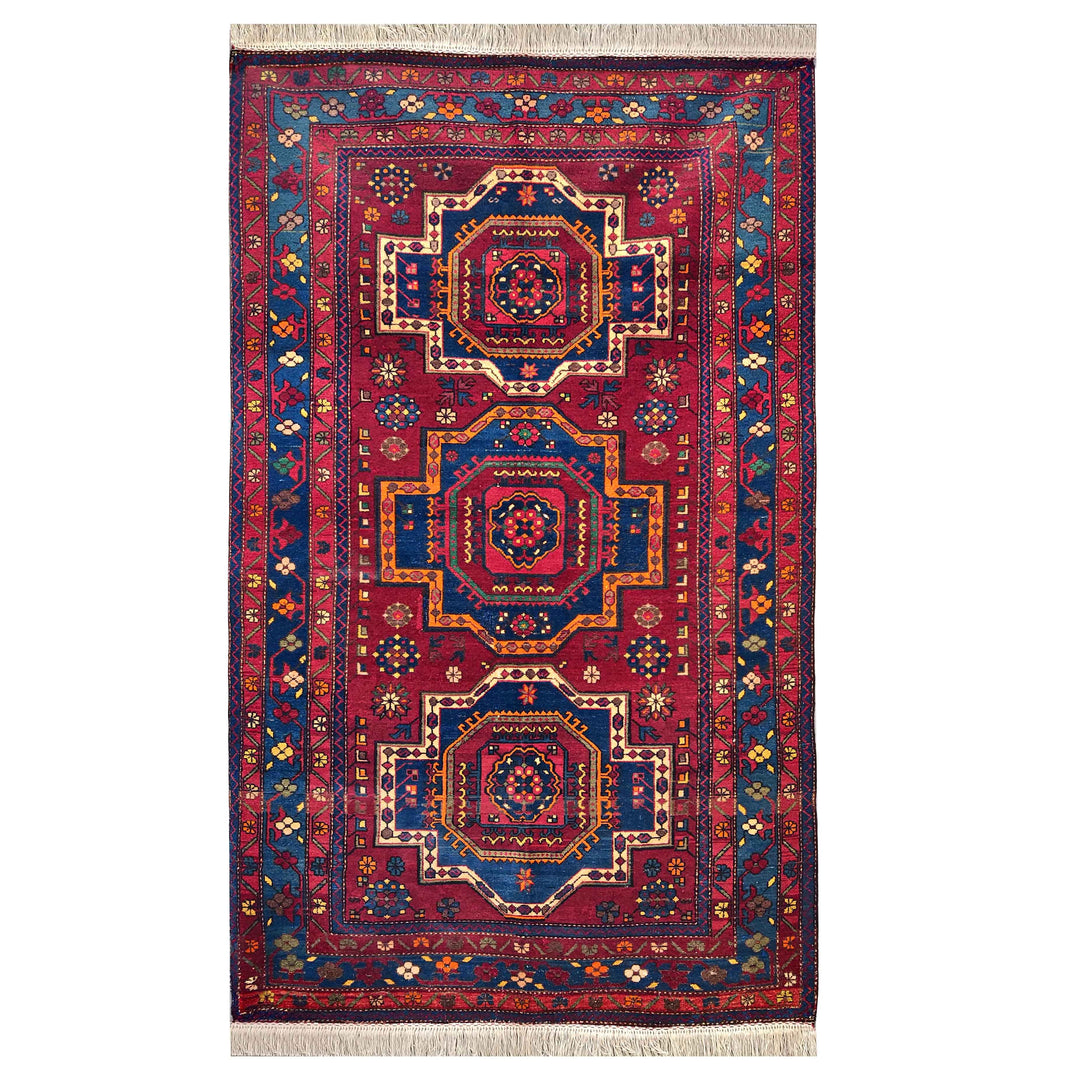
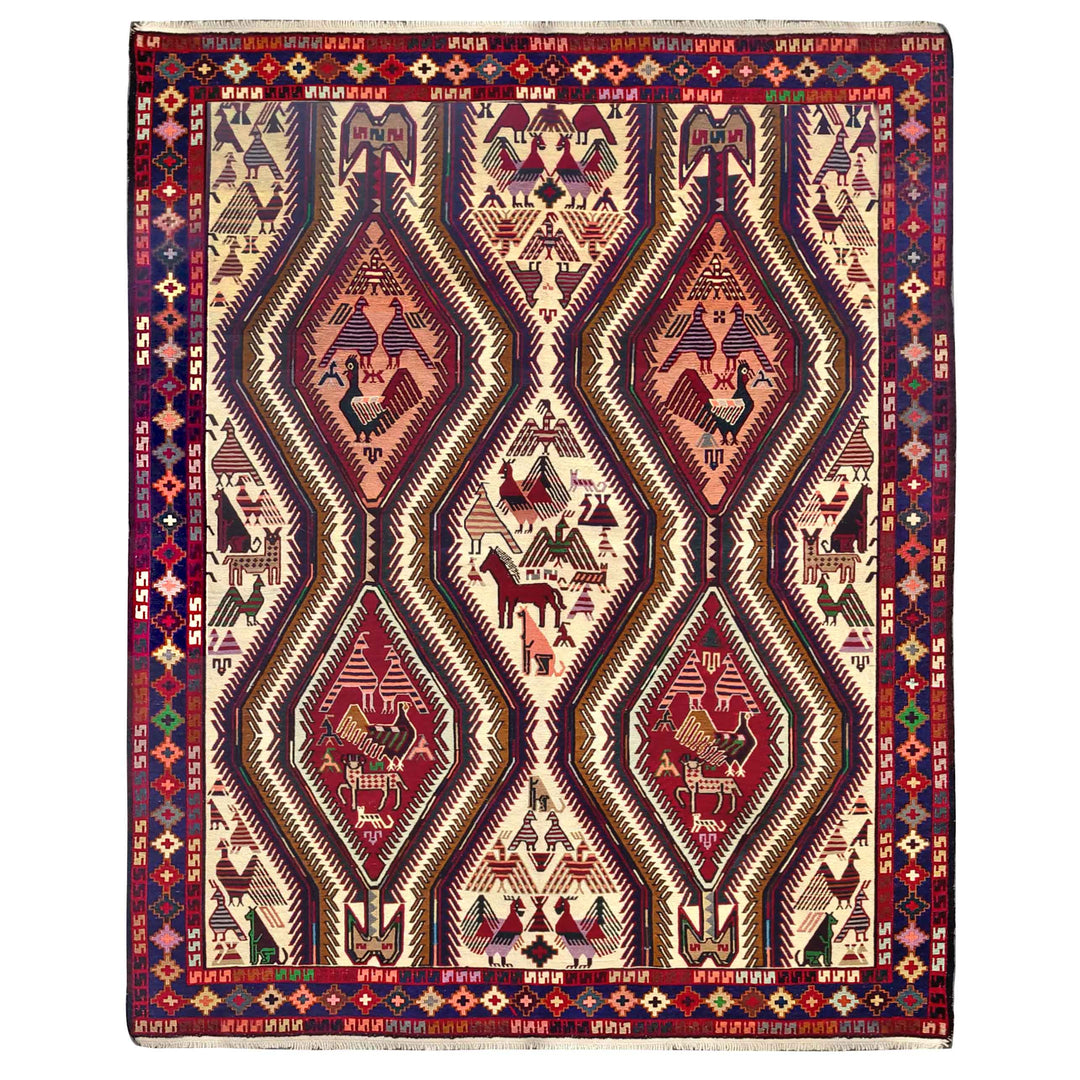
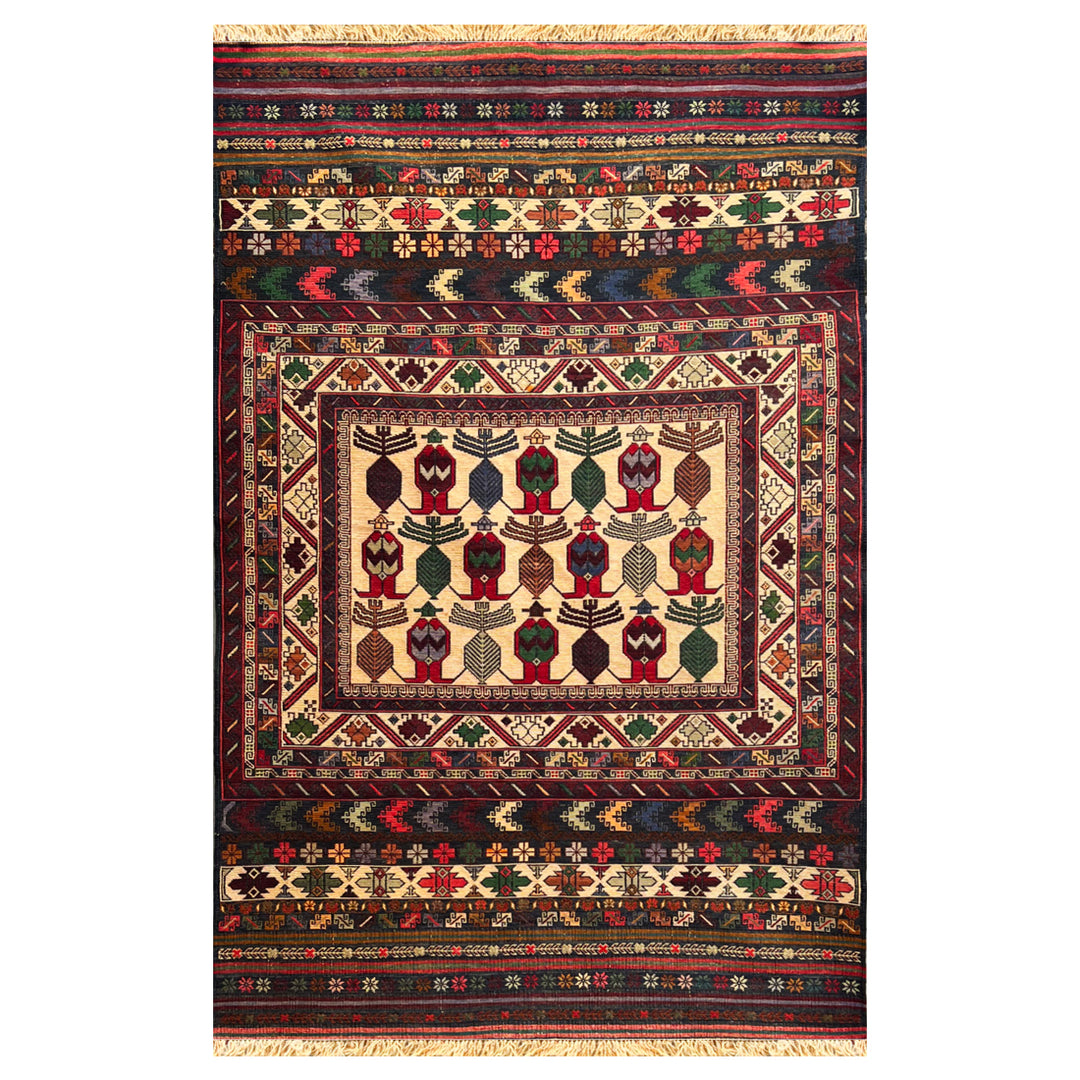
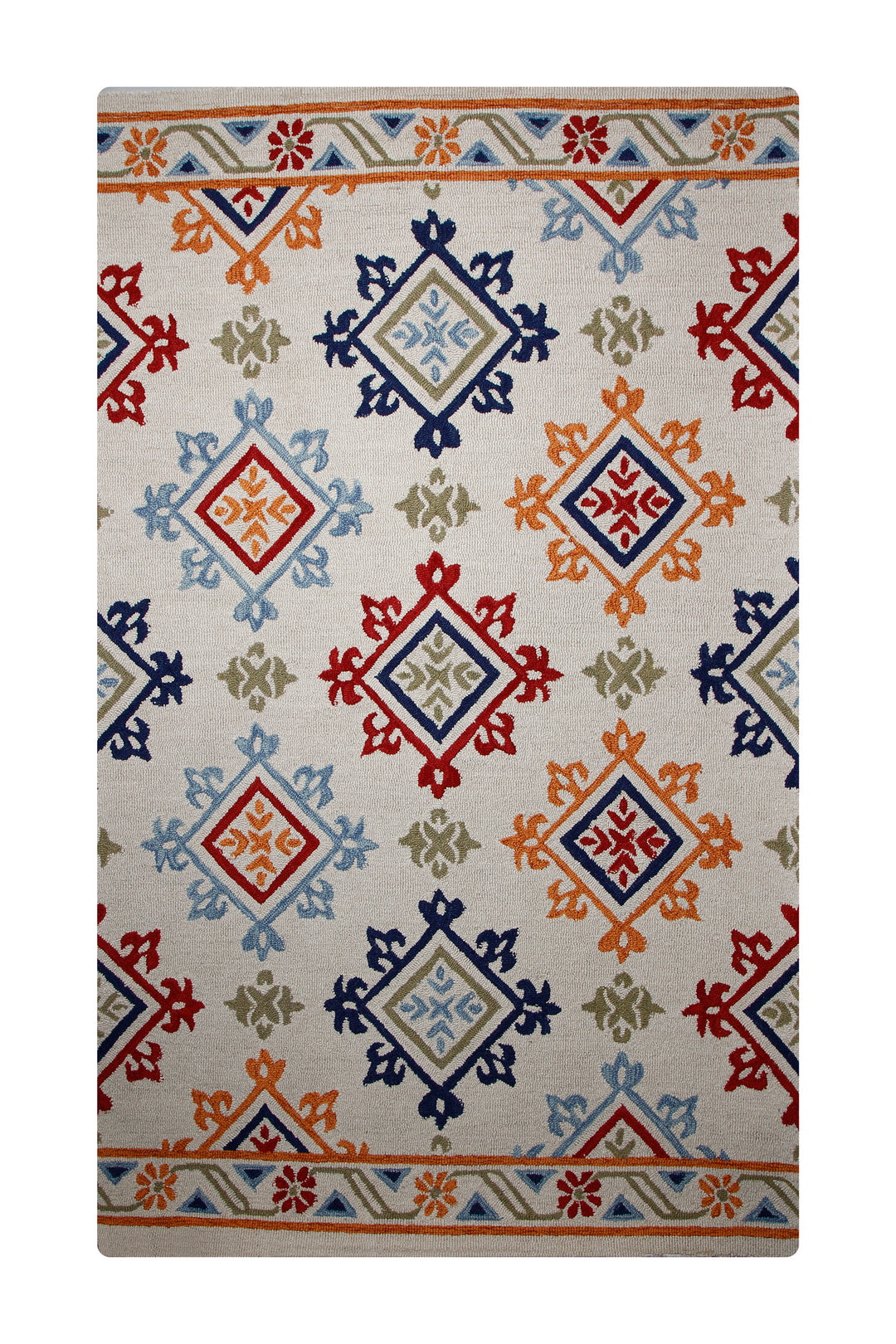
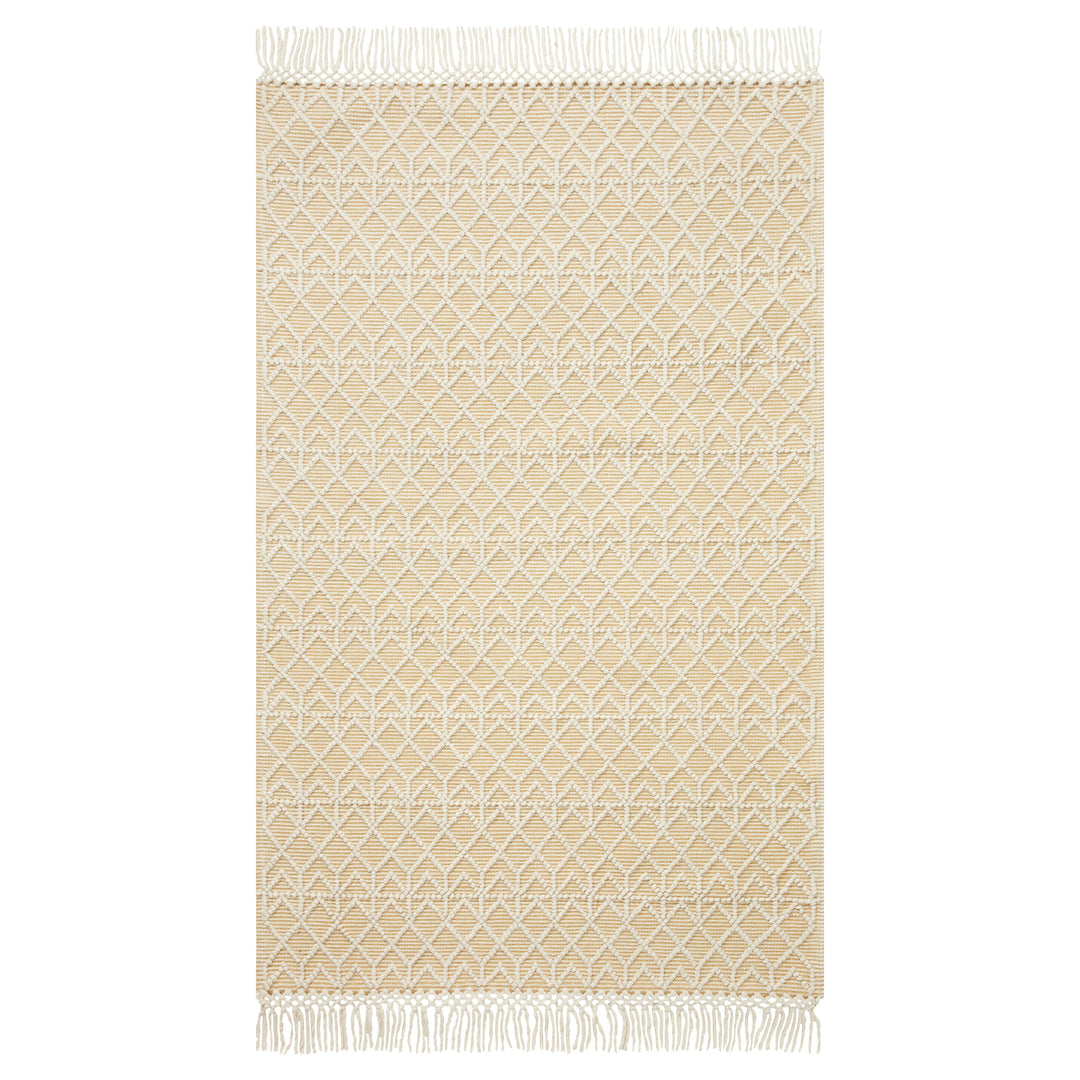
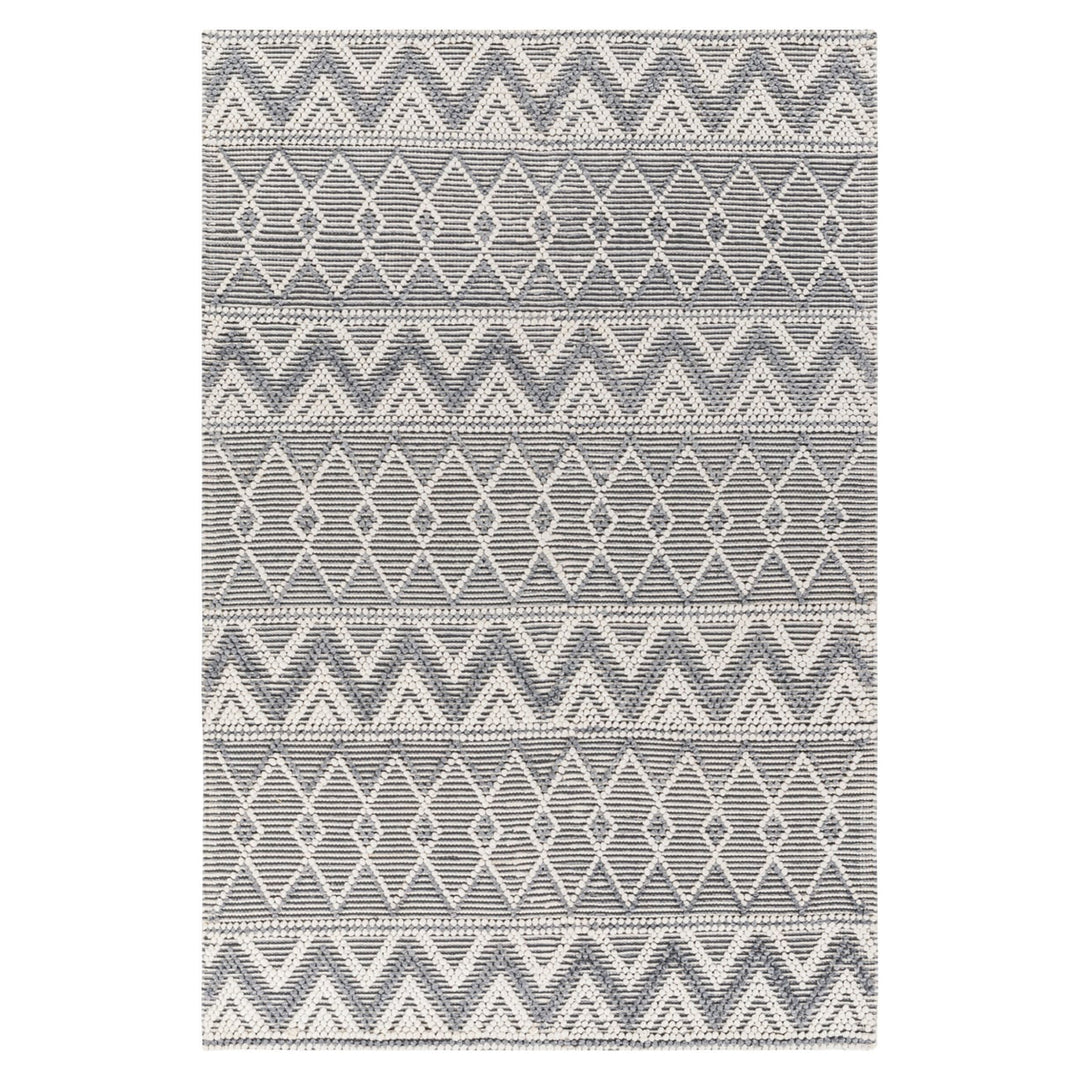
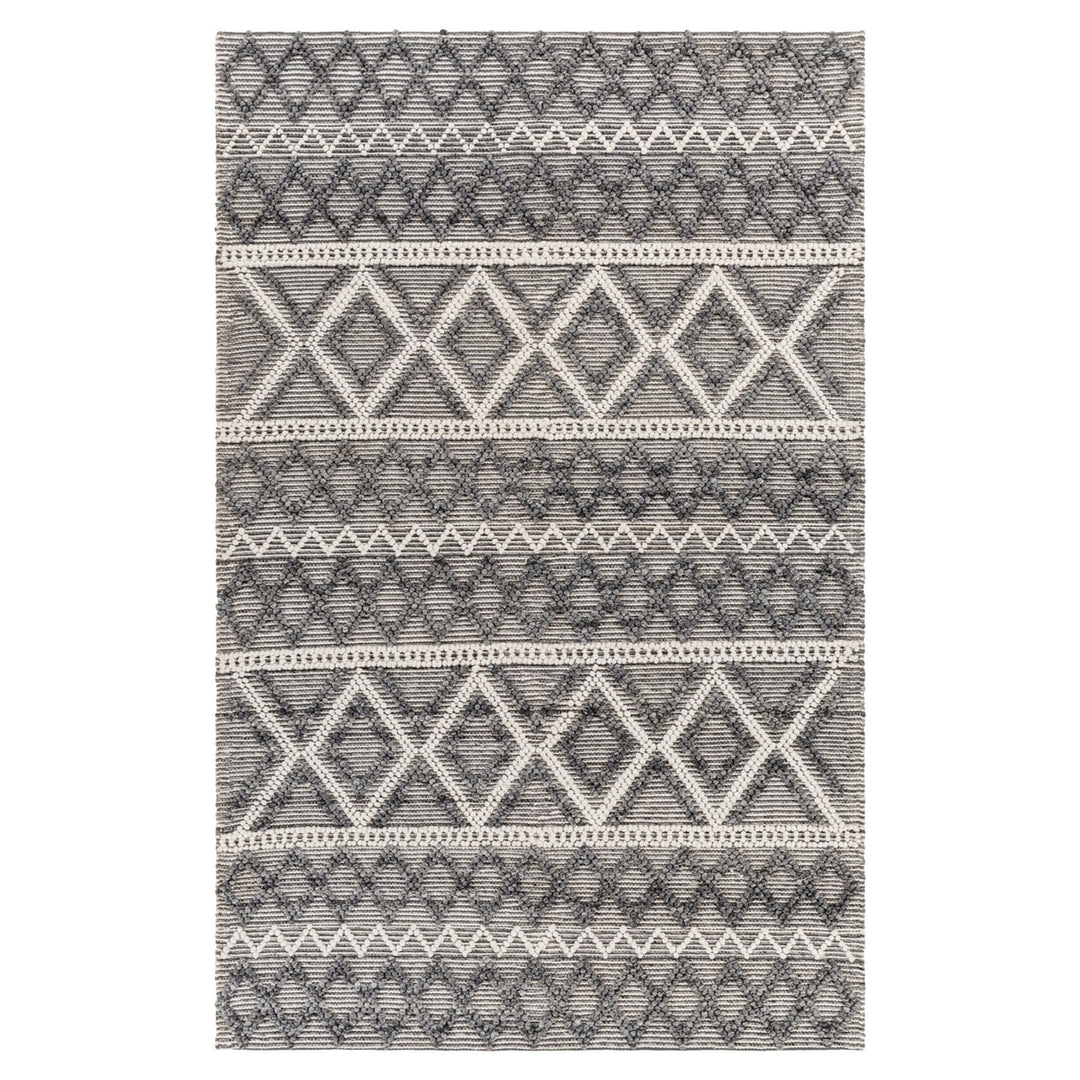
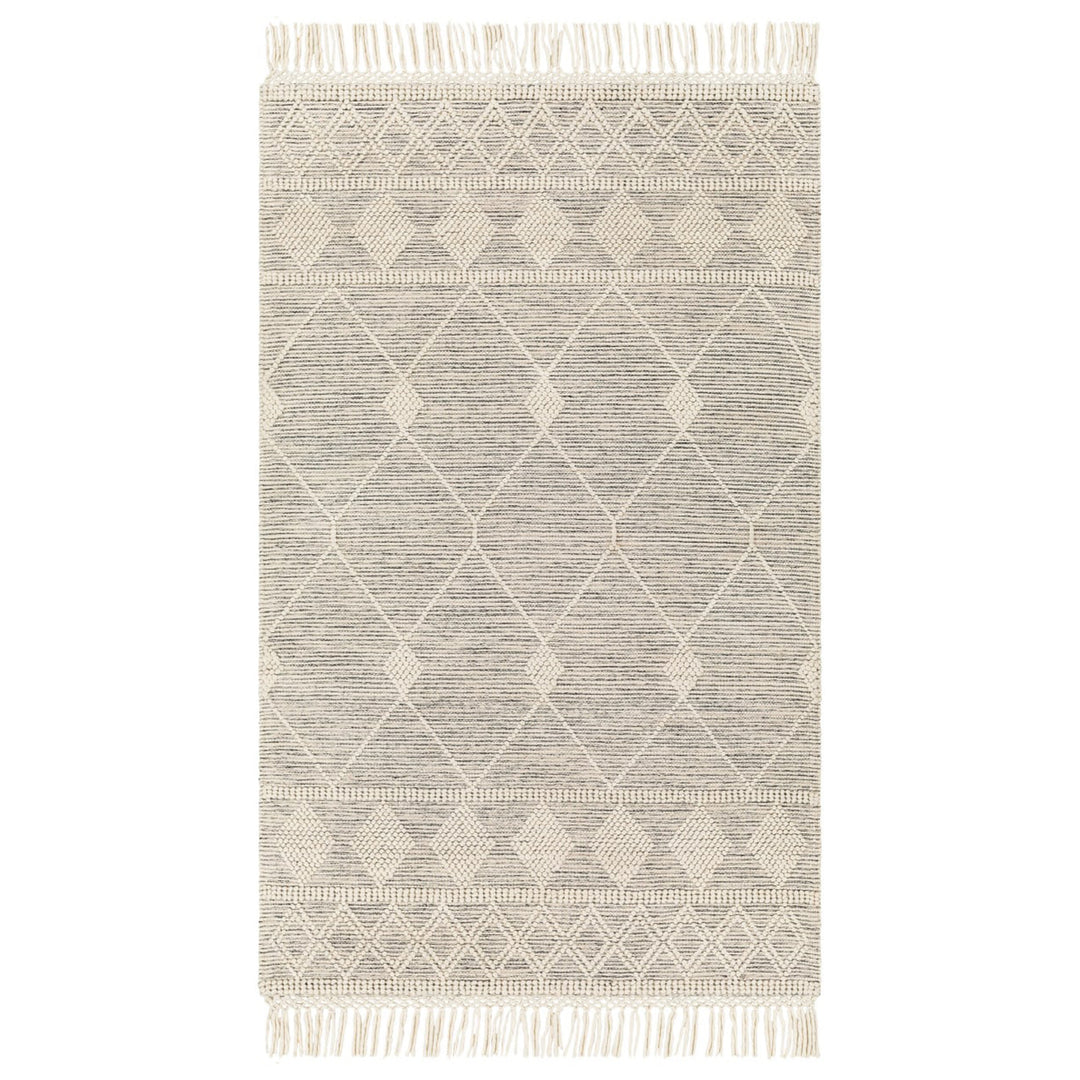
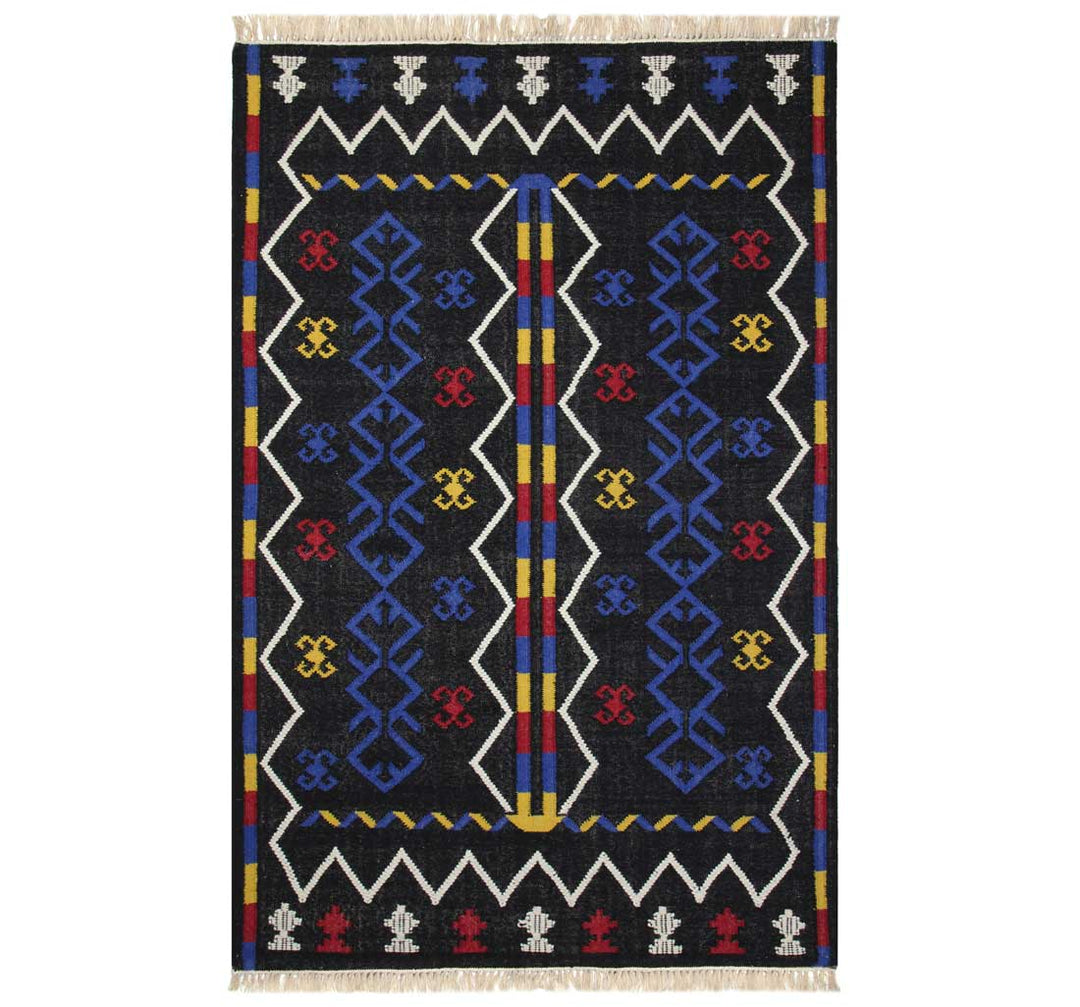
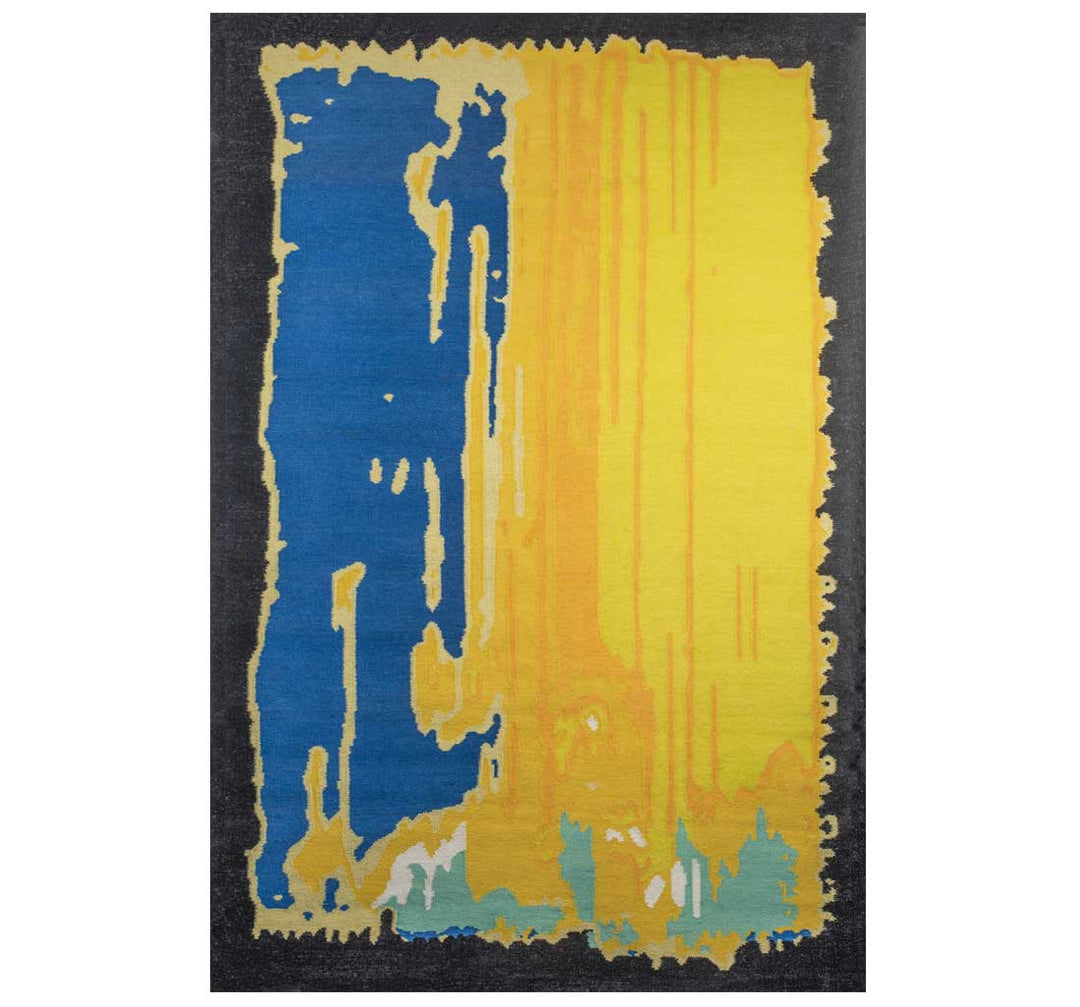
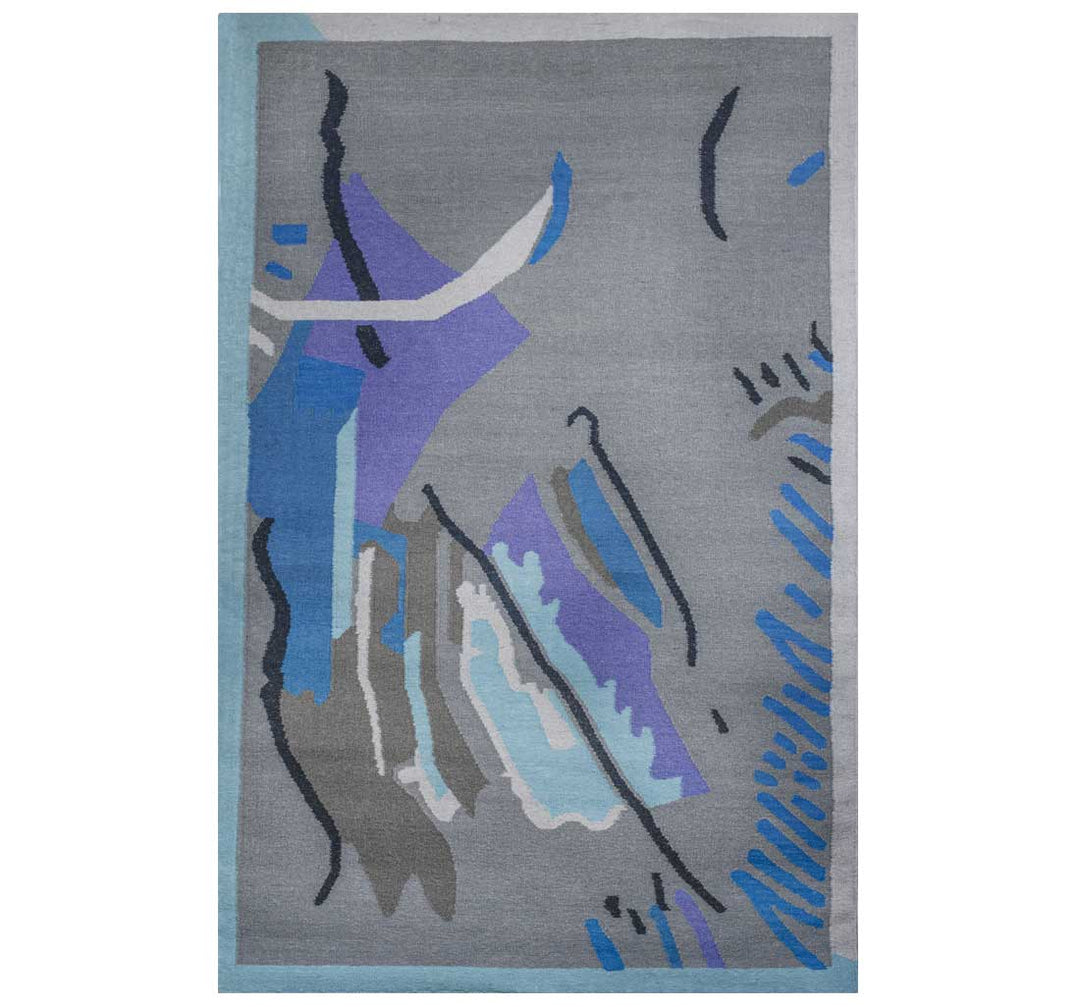
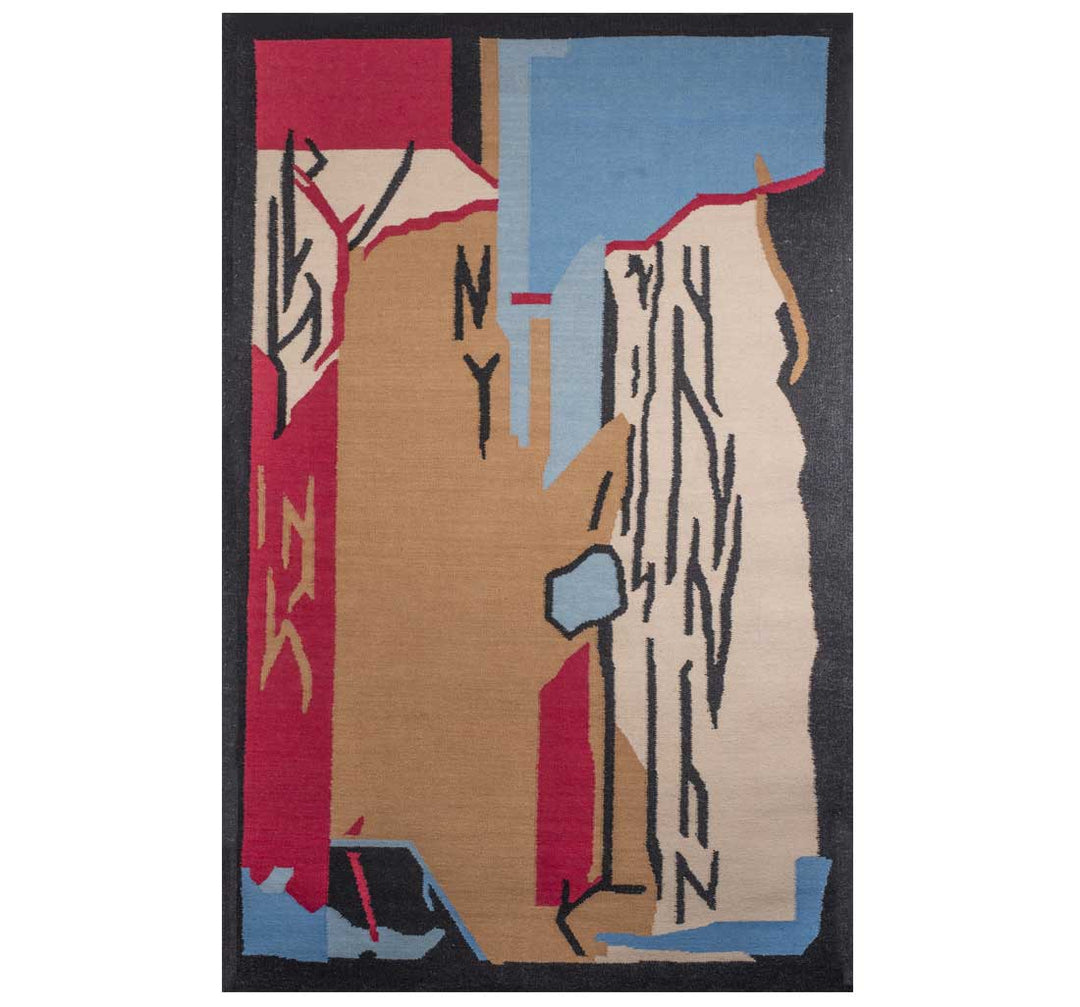
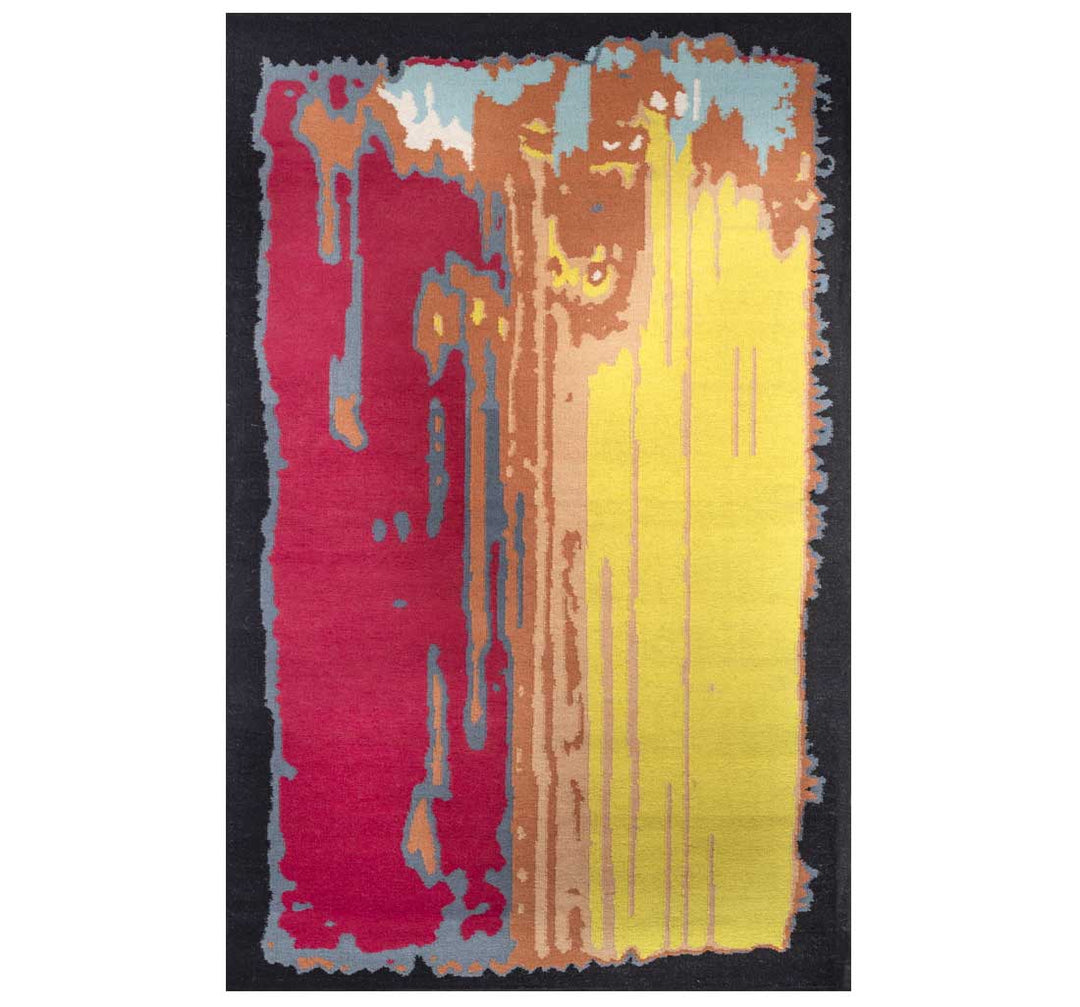
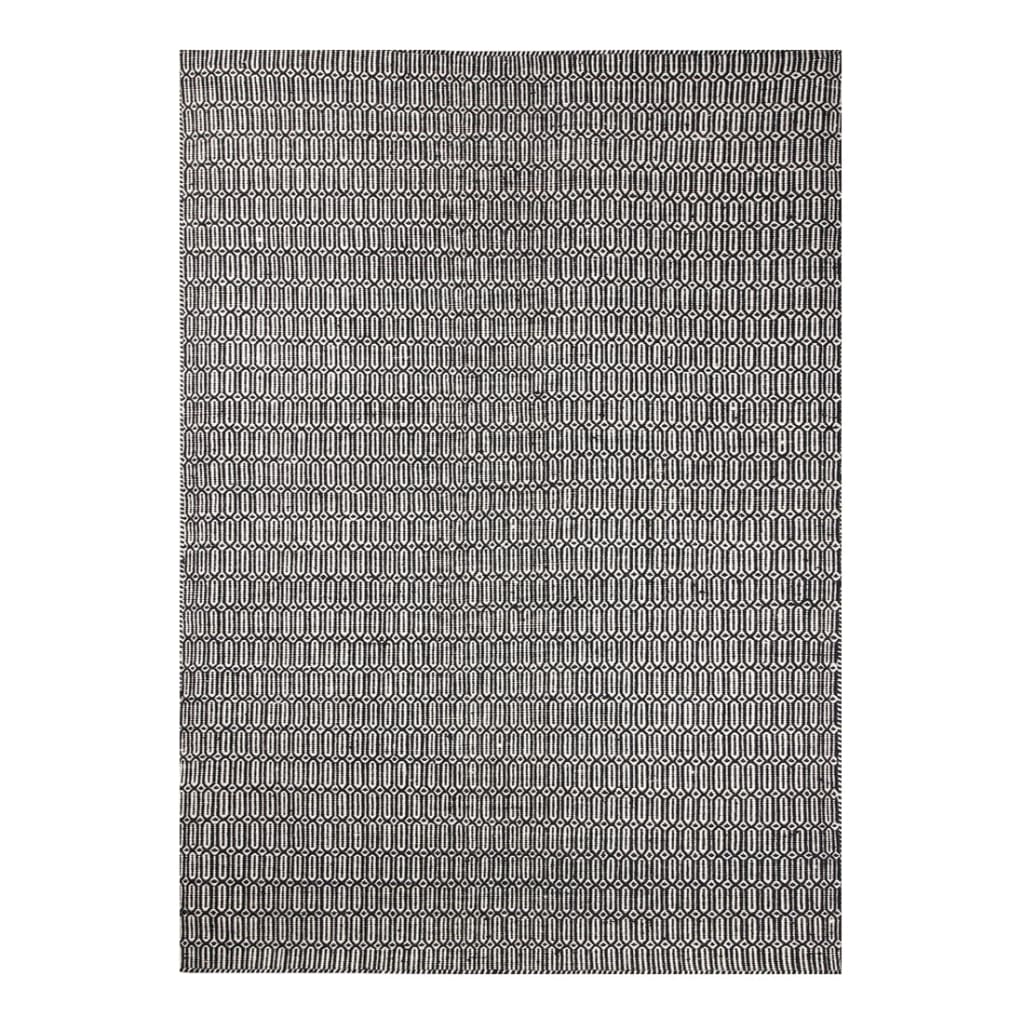
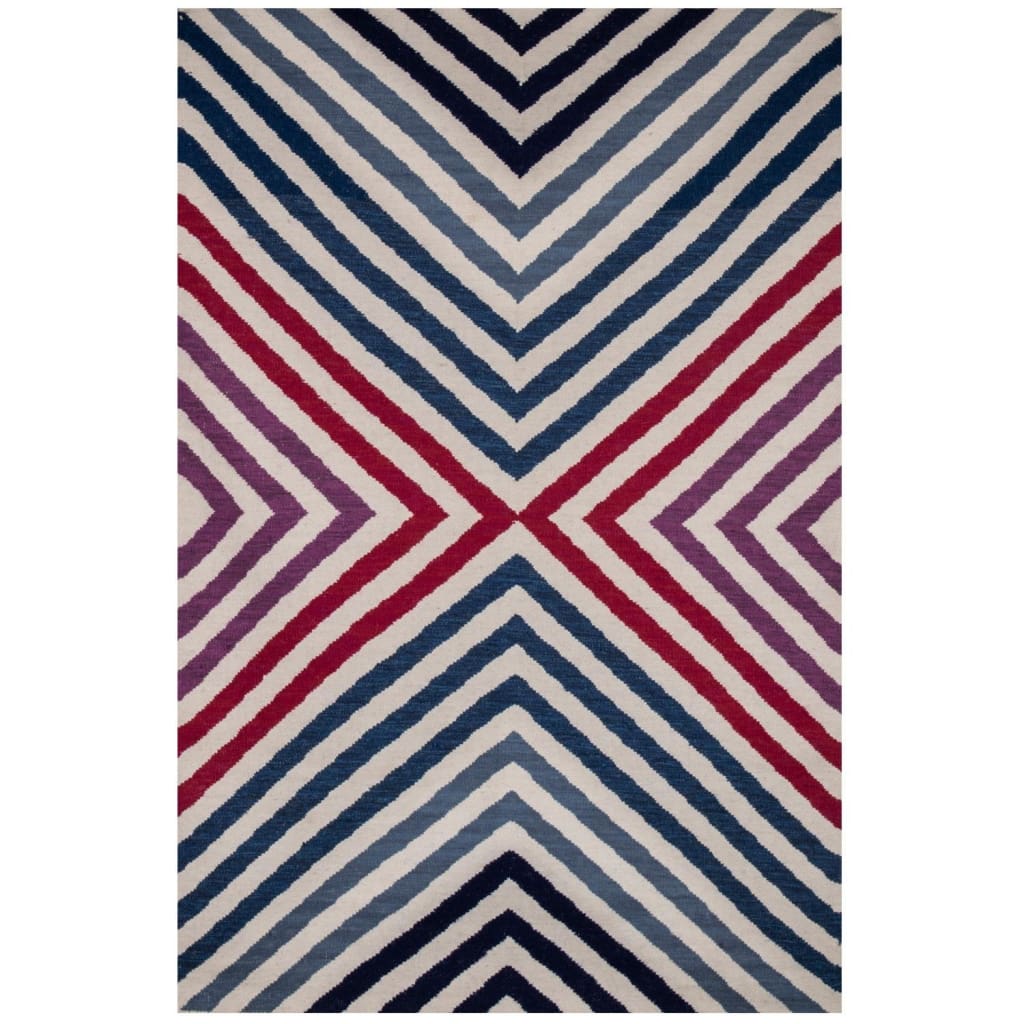
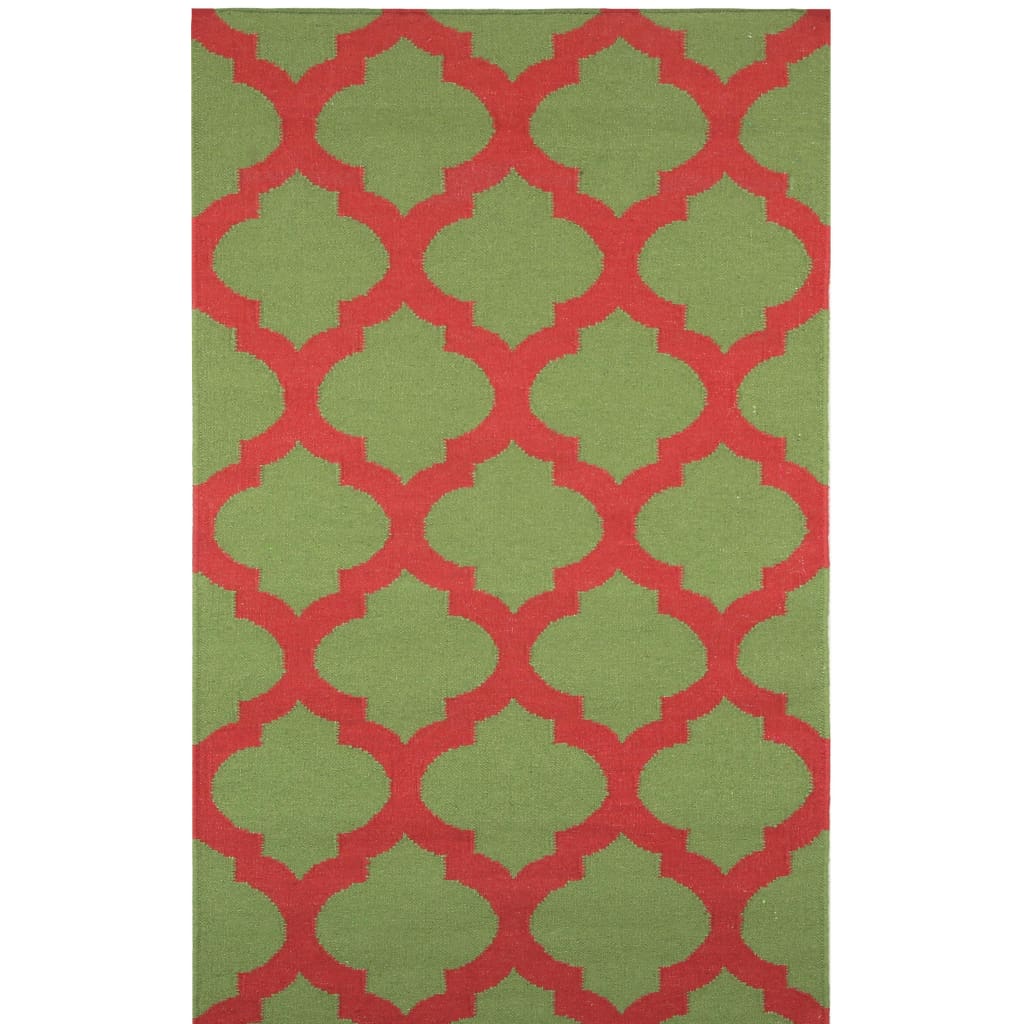
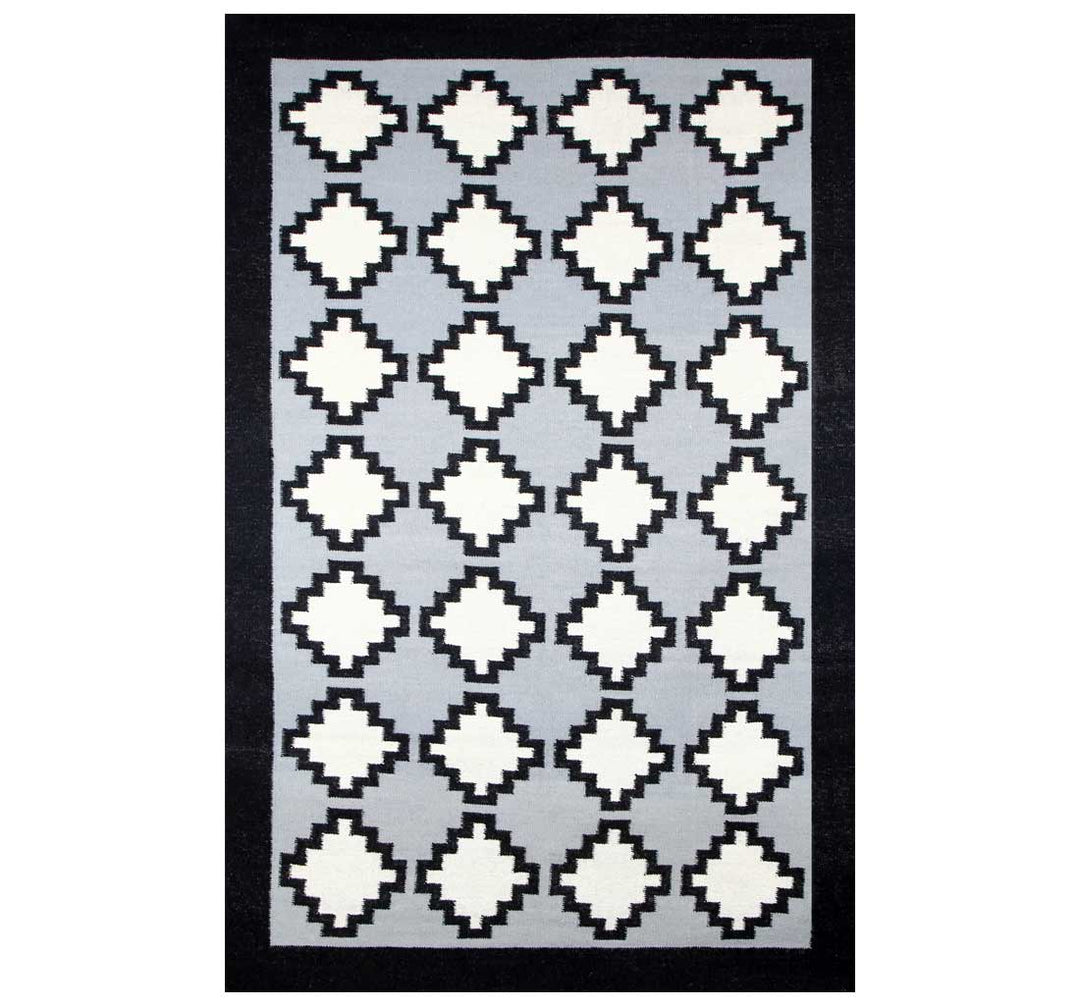
The Ikka Dukka Rugs & Carpets collection brings together Afghan kilims, Turkmen weaves, hand-knotted wool carpets, Persian soumaks and Caucasian-inspired textiles selected for their craftsmanship, provenance and character. Vintage and contemporary rugs sit alongside one another, each distinguished by region, technique and motif.
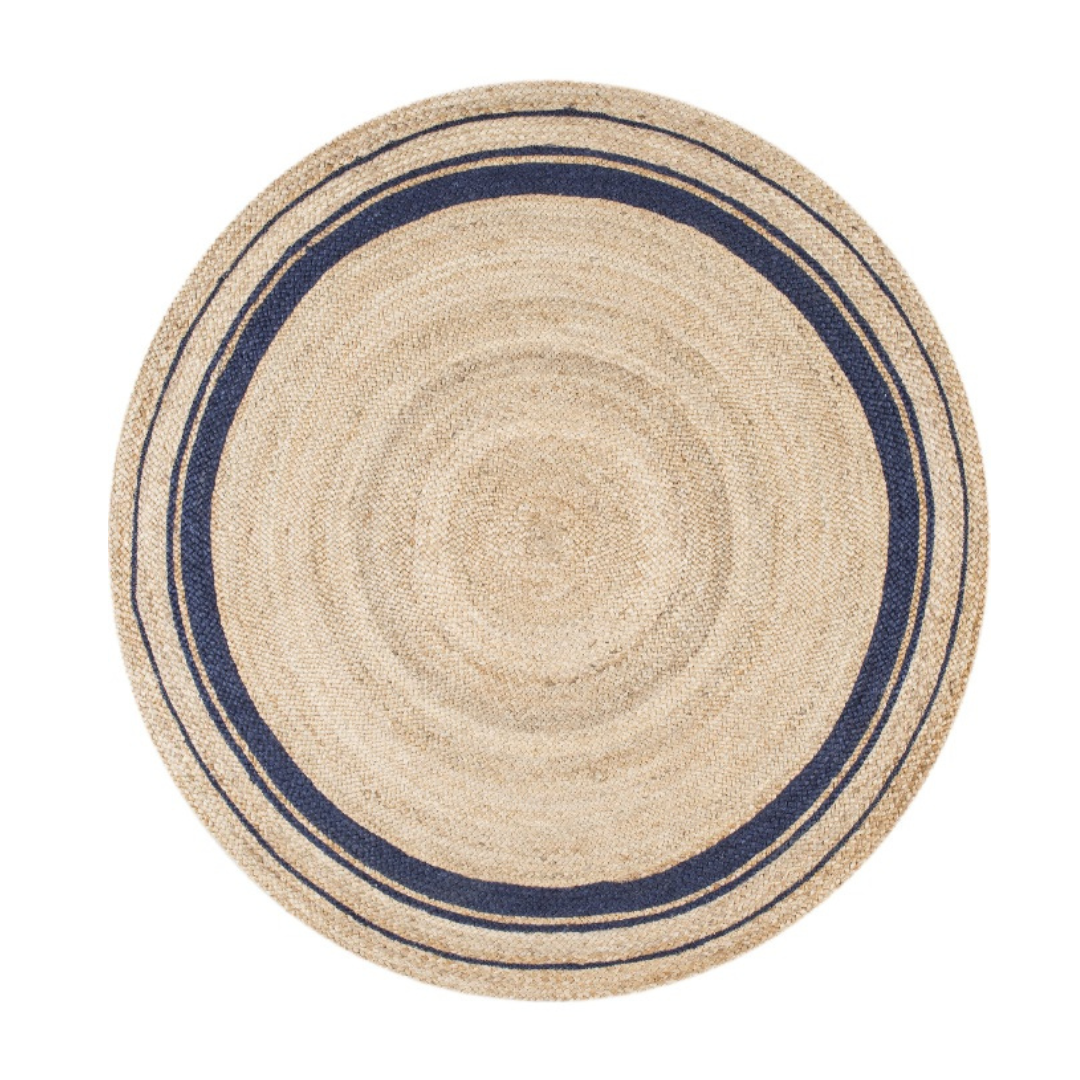
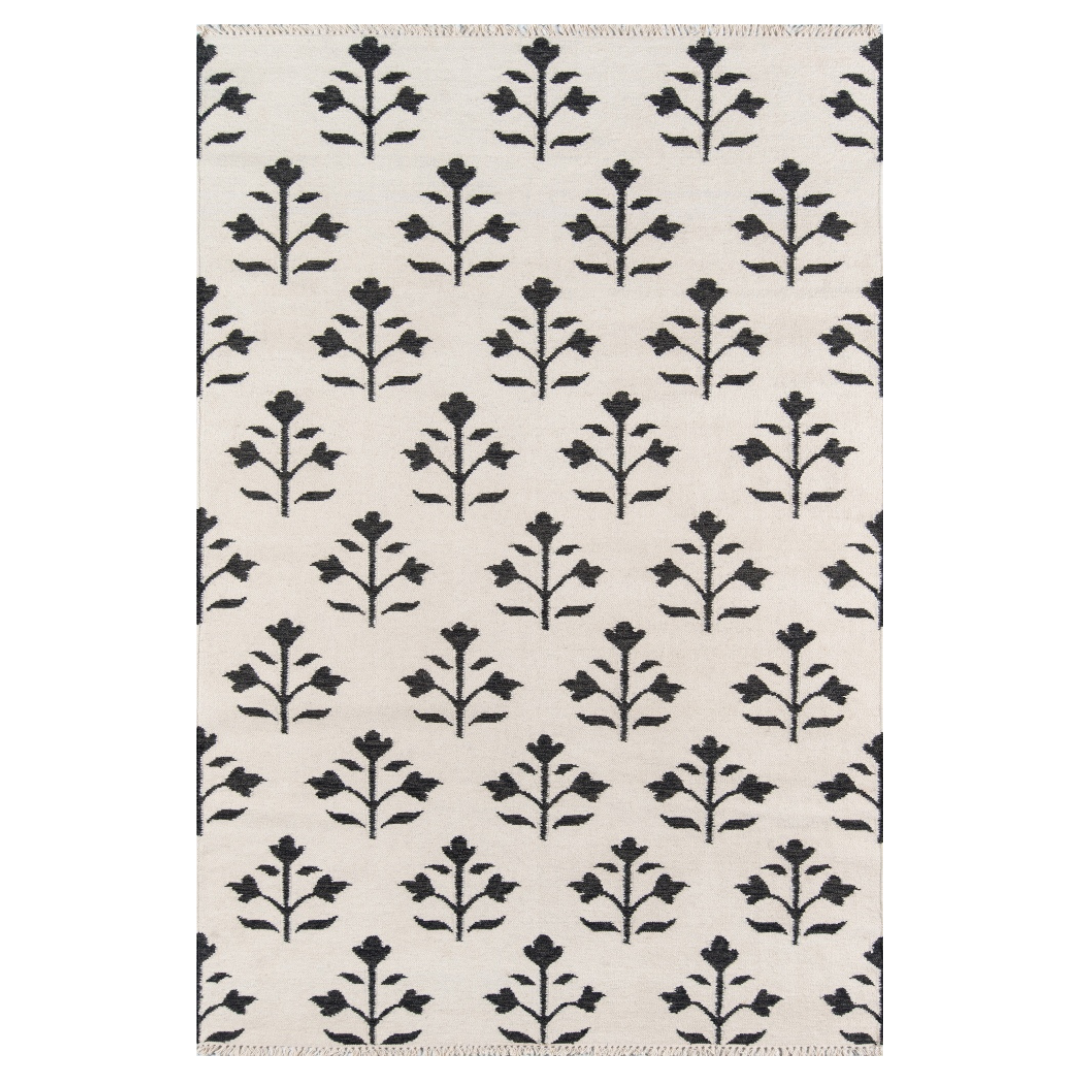
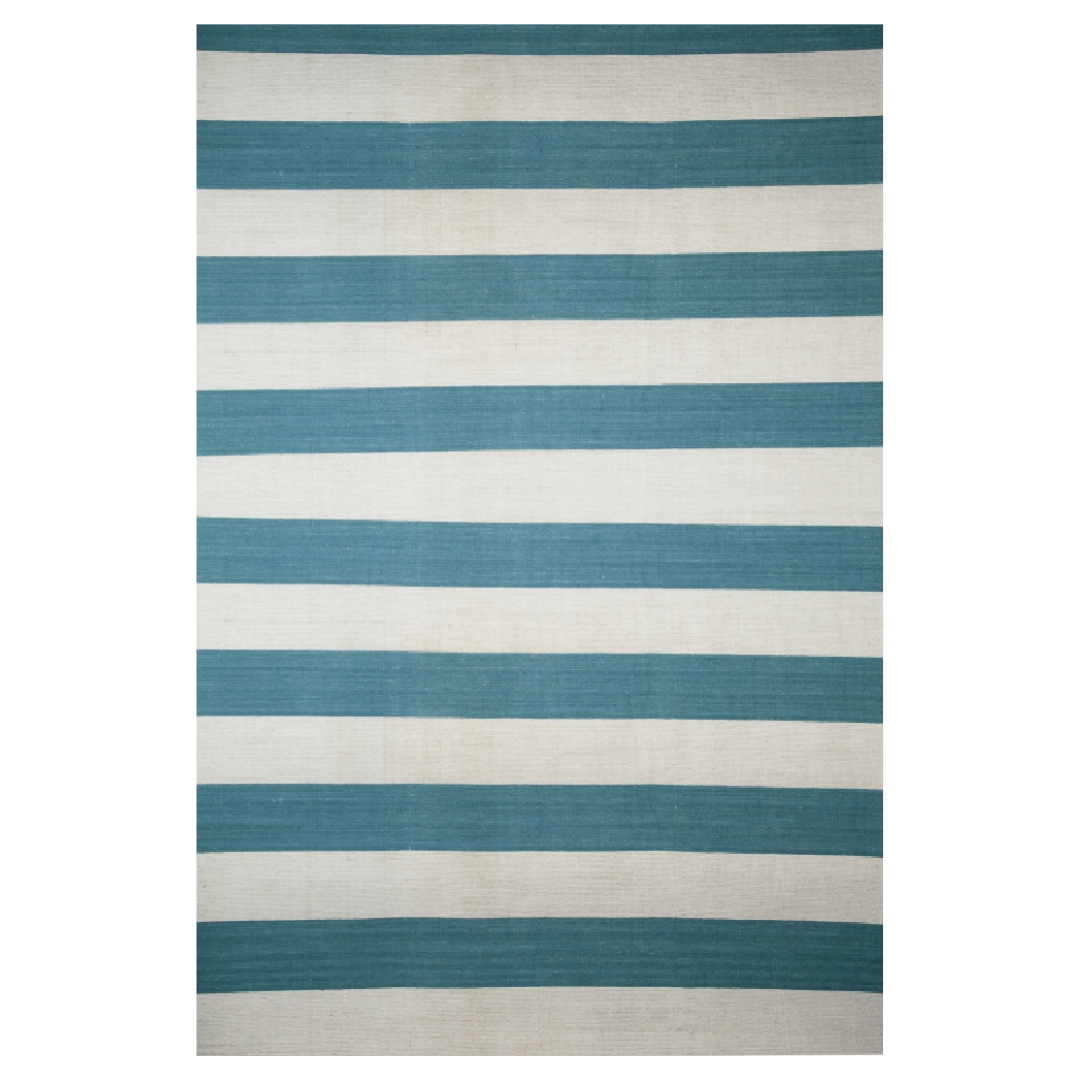
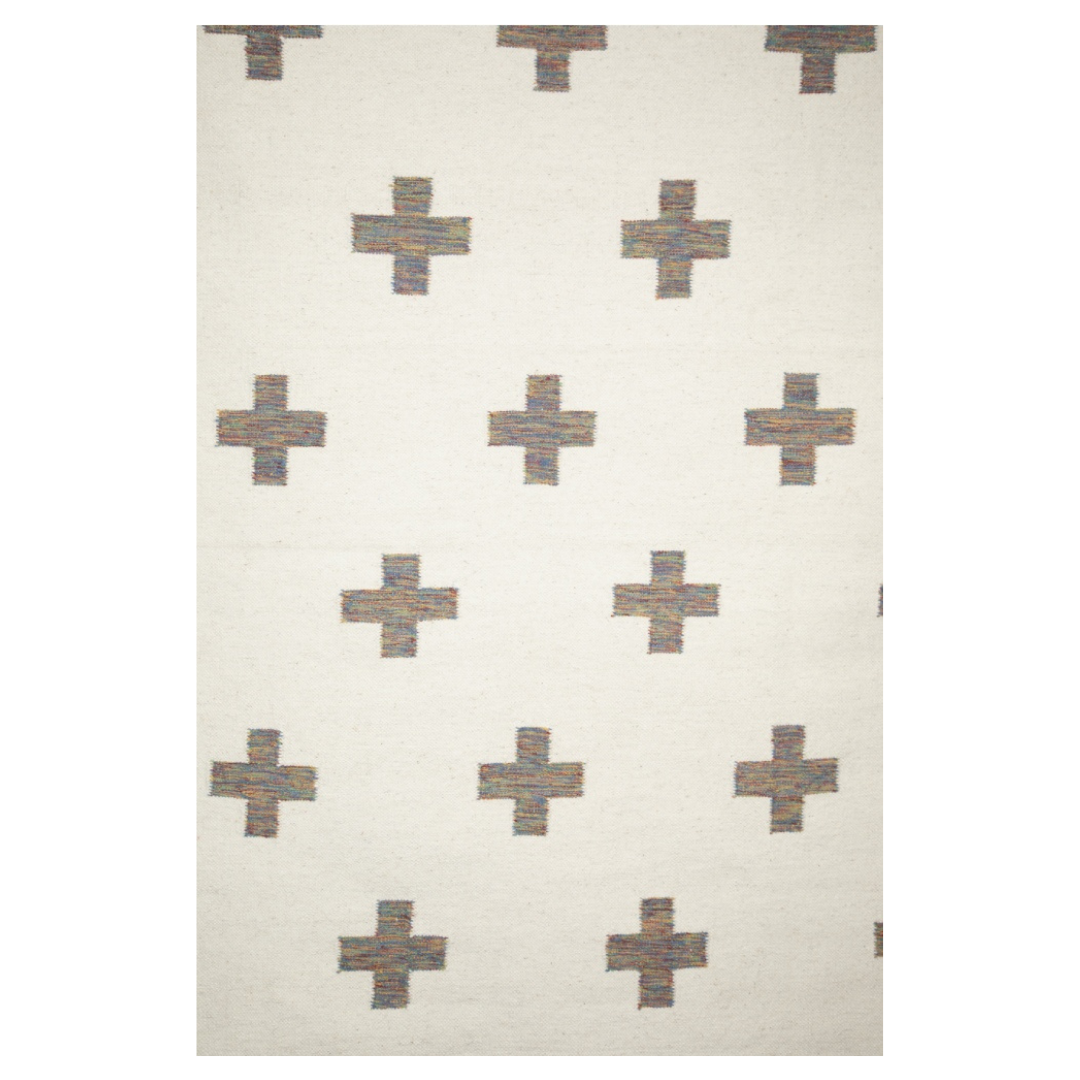
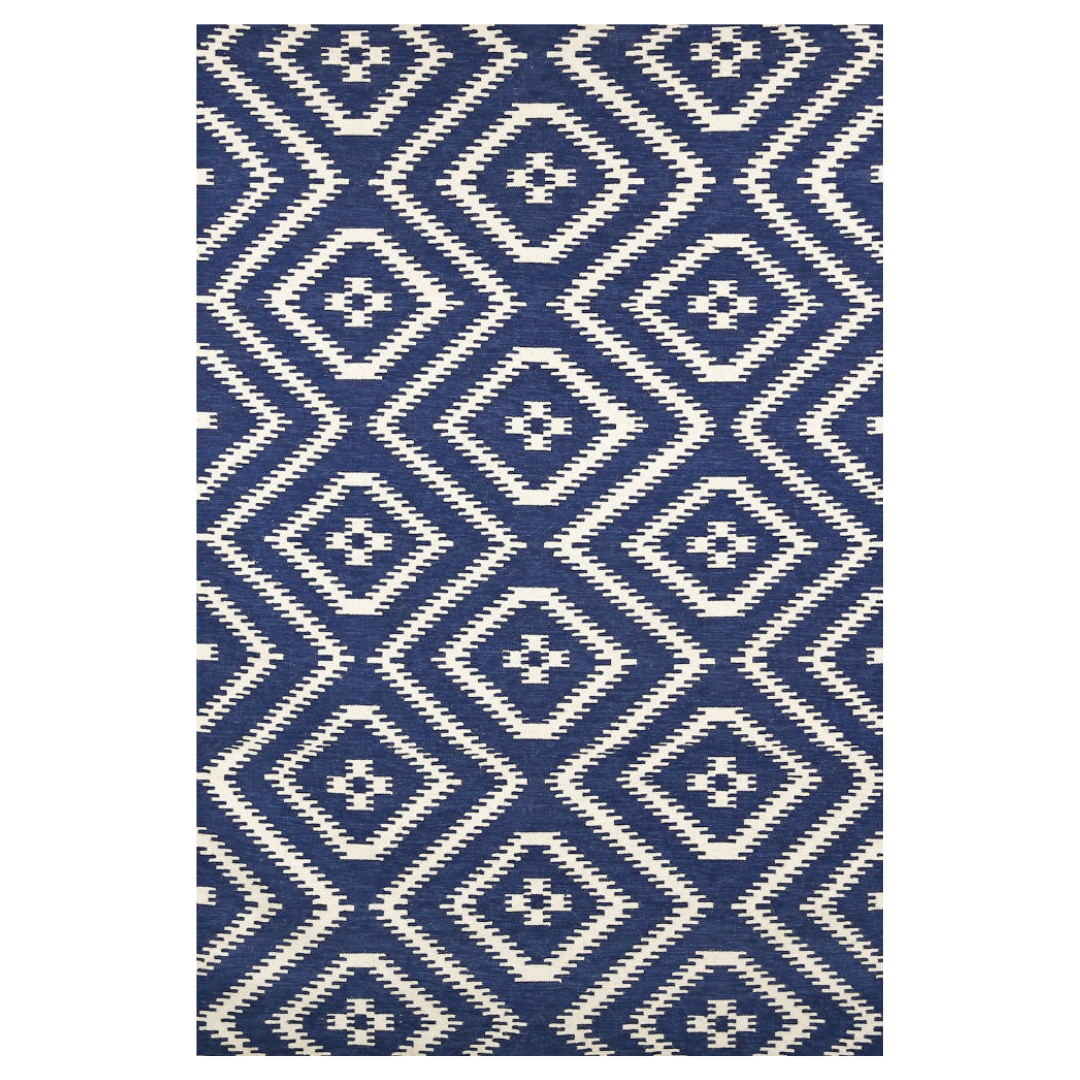
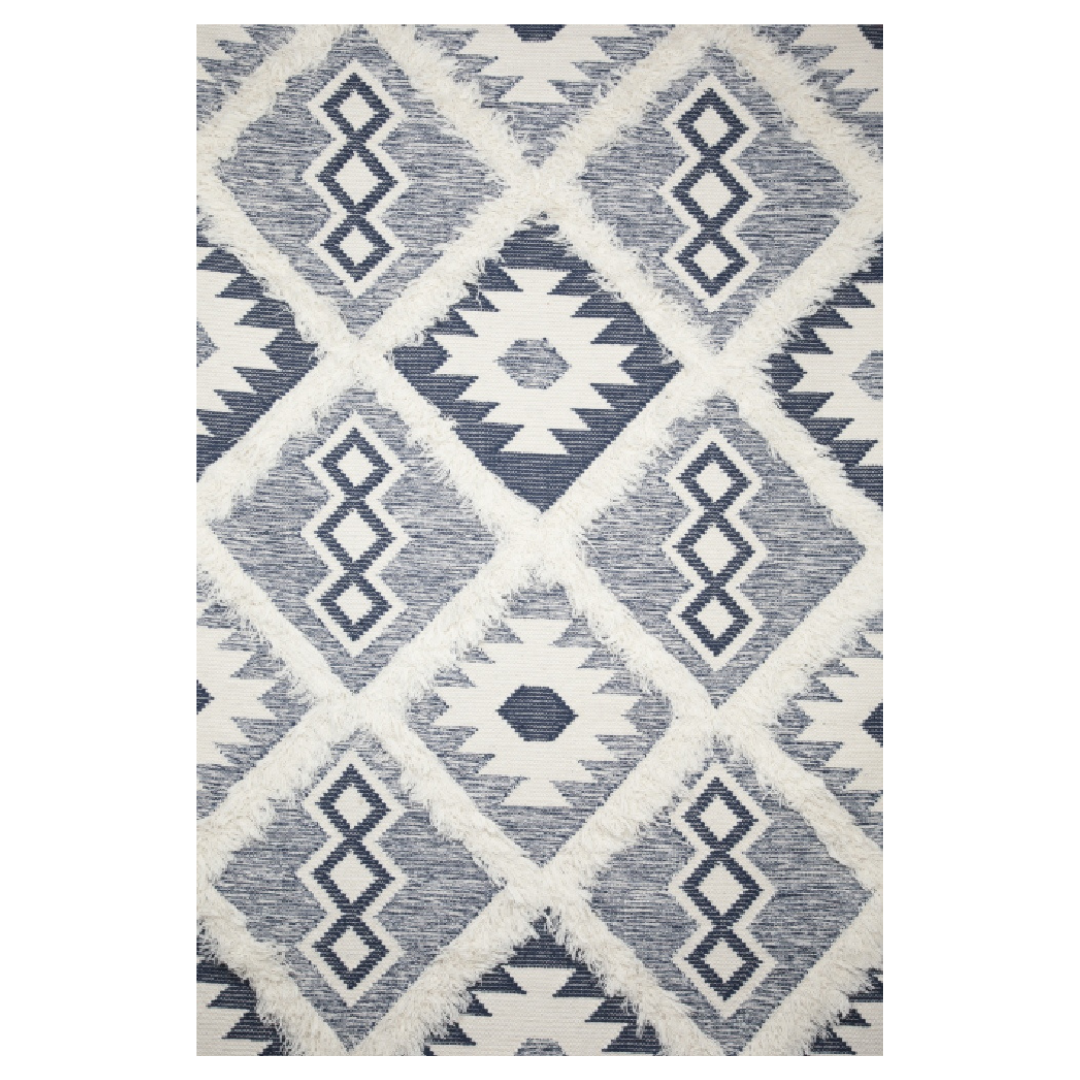
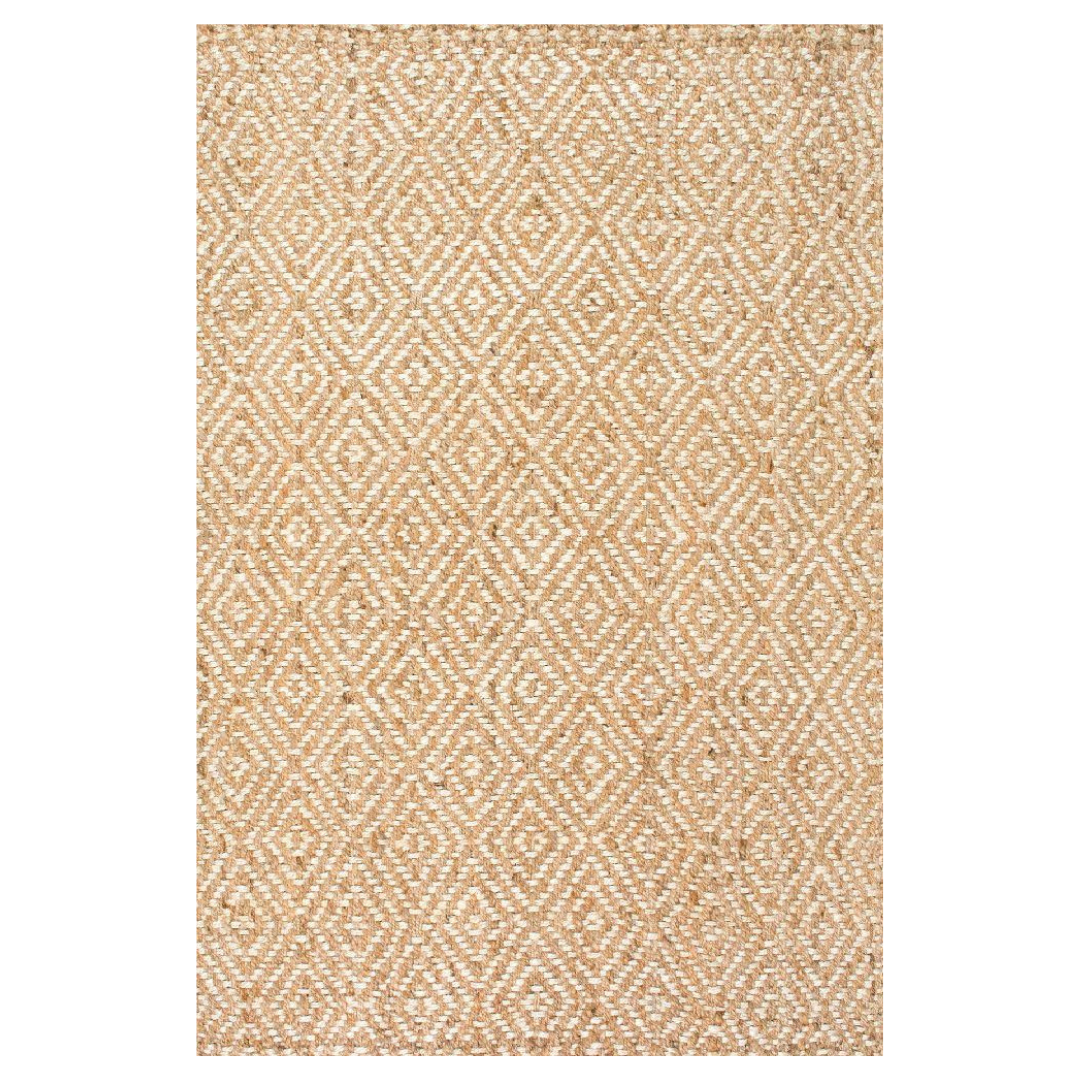
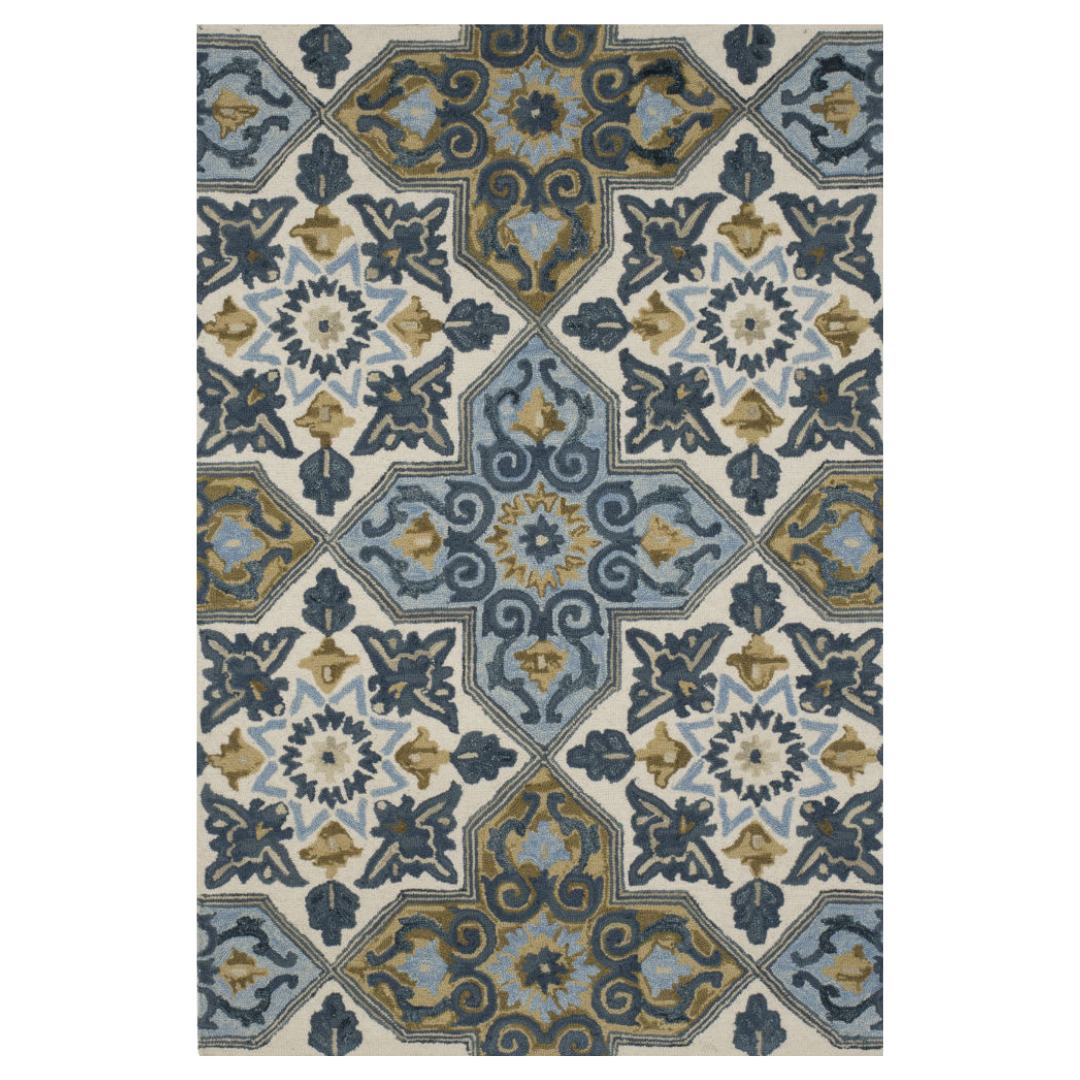
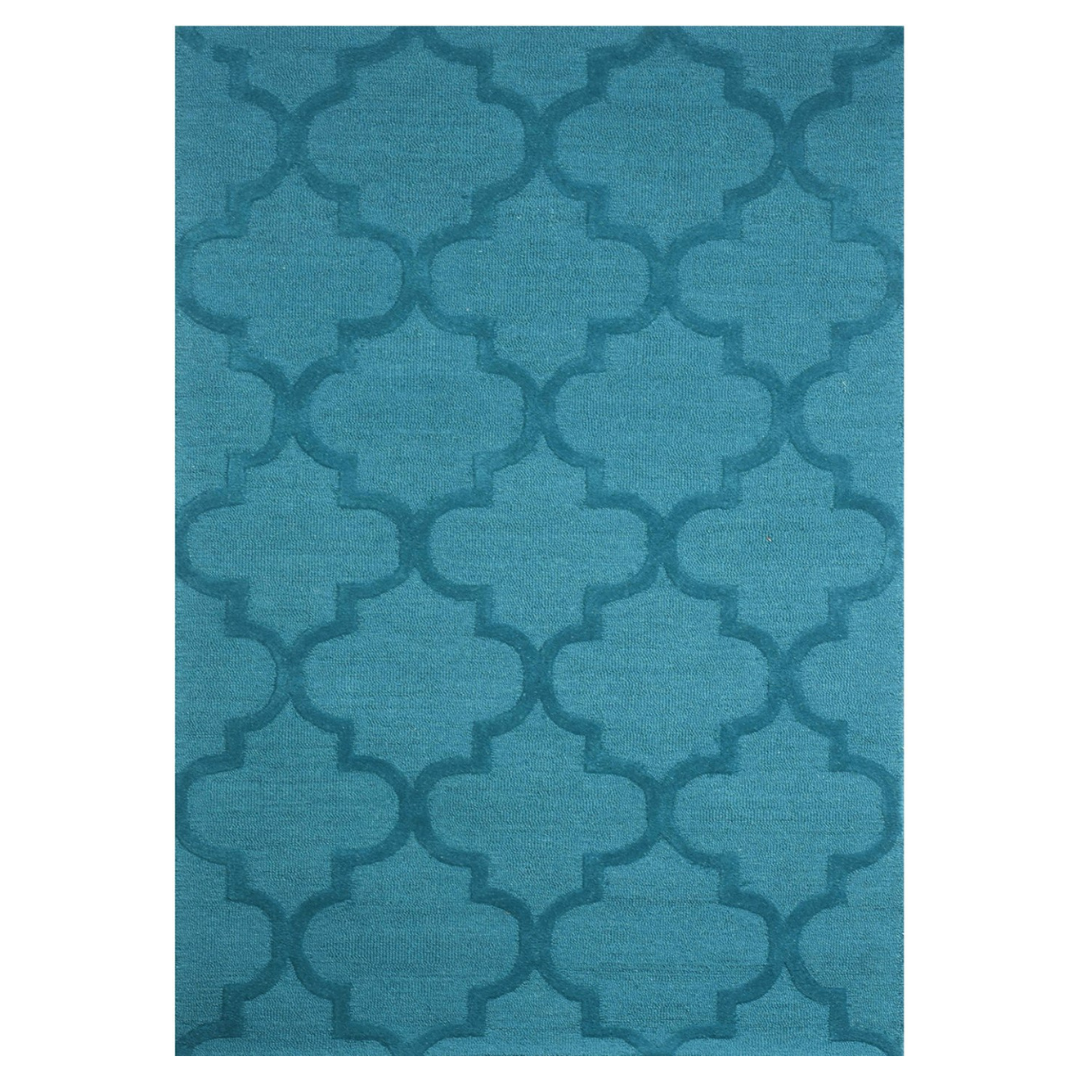
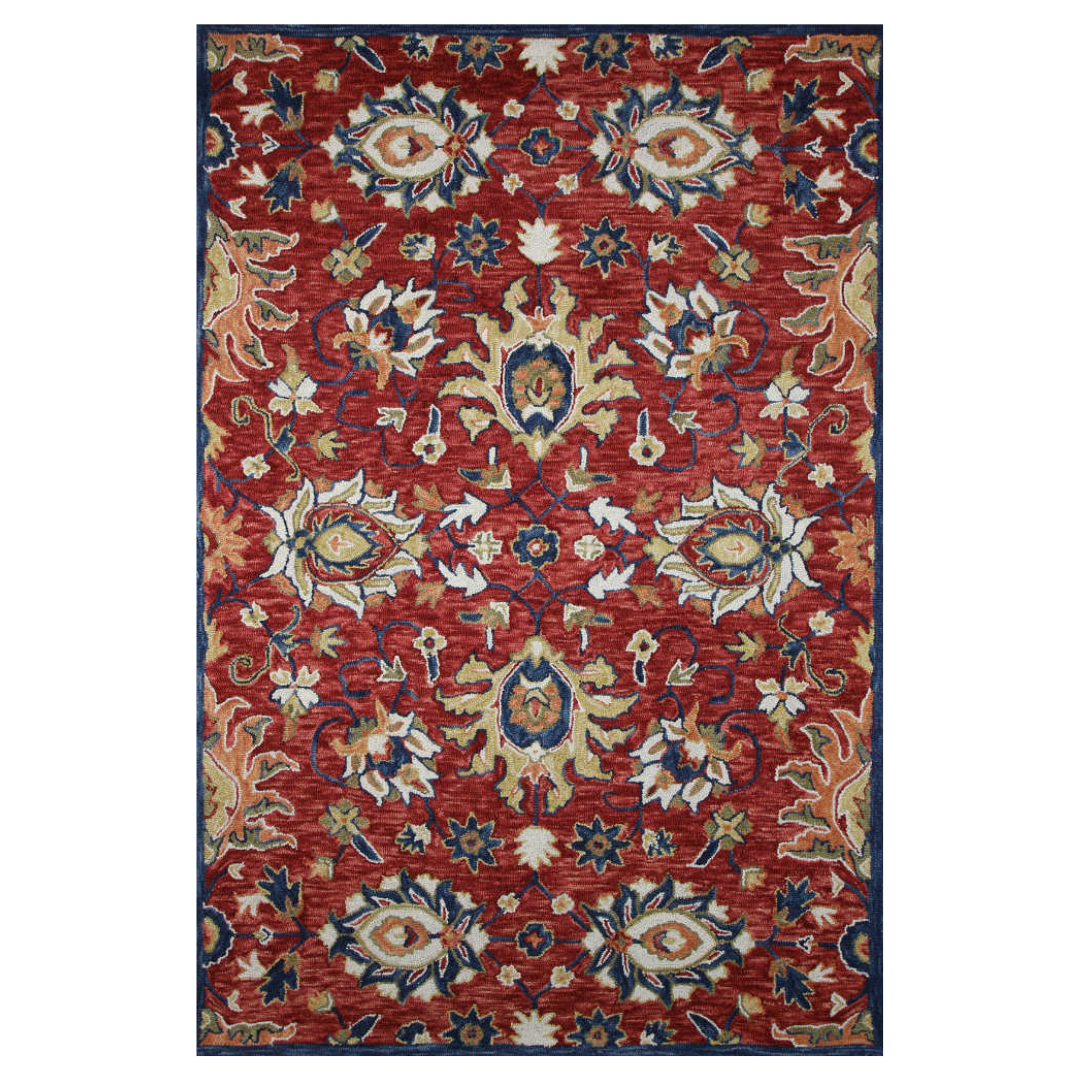
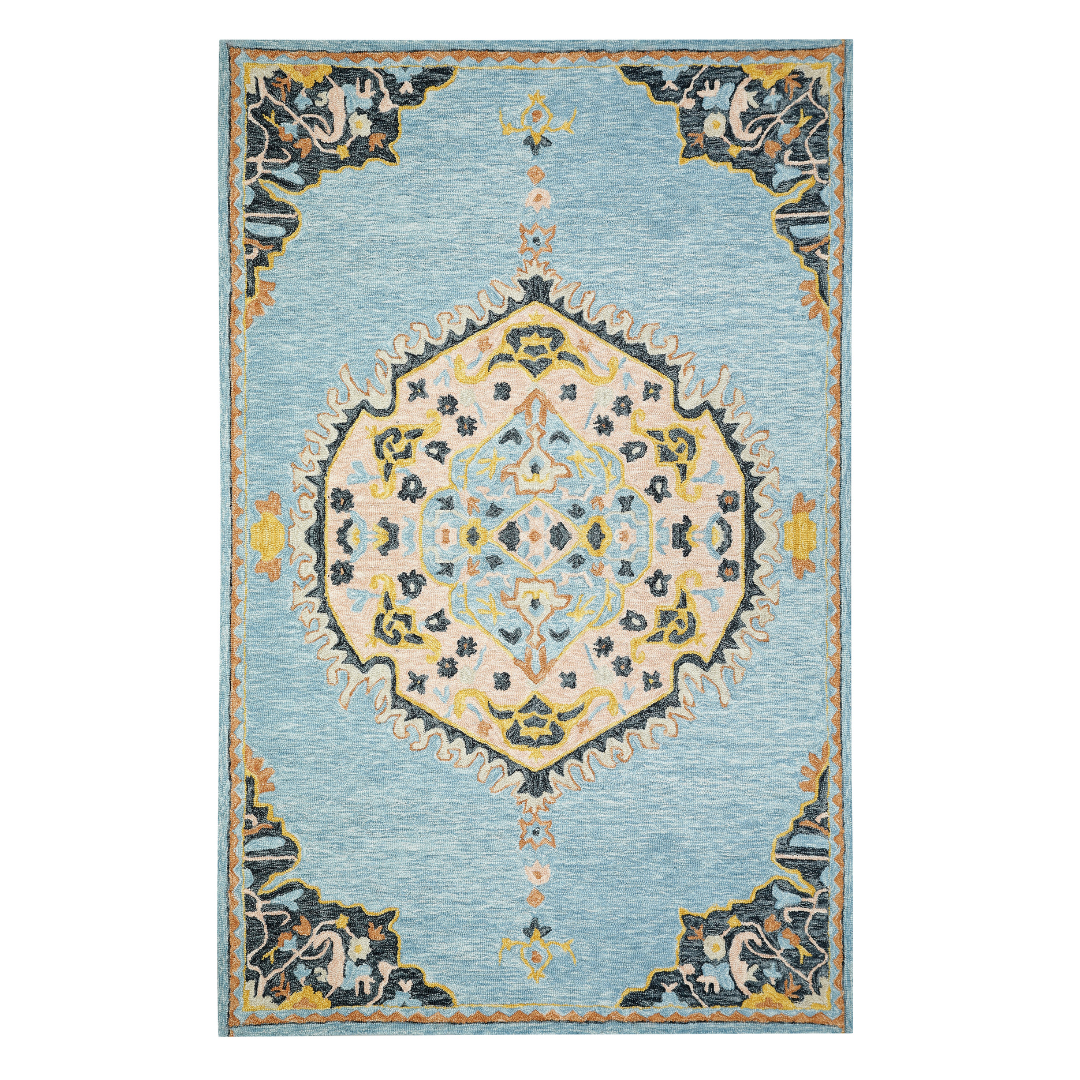
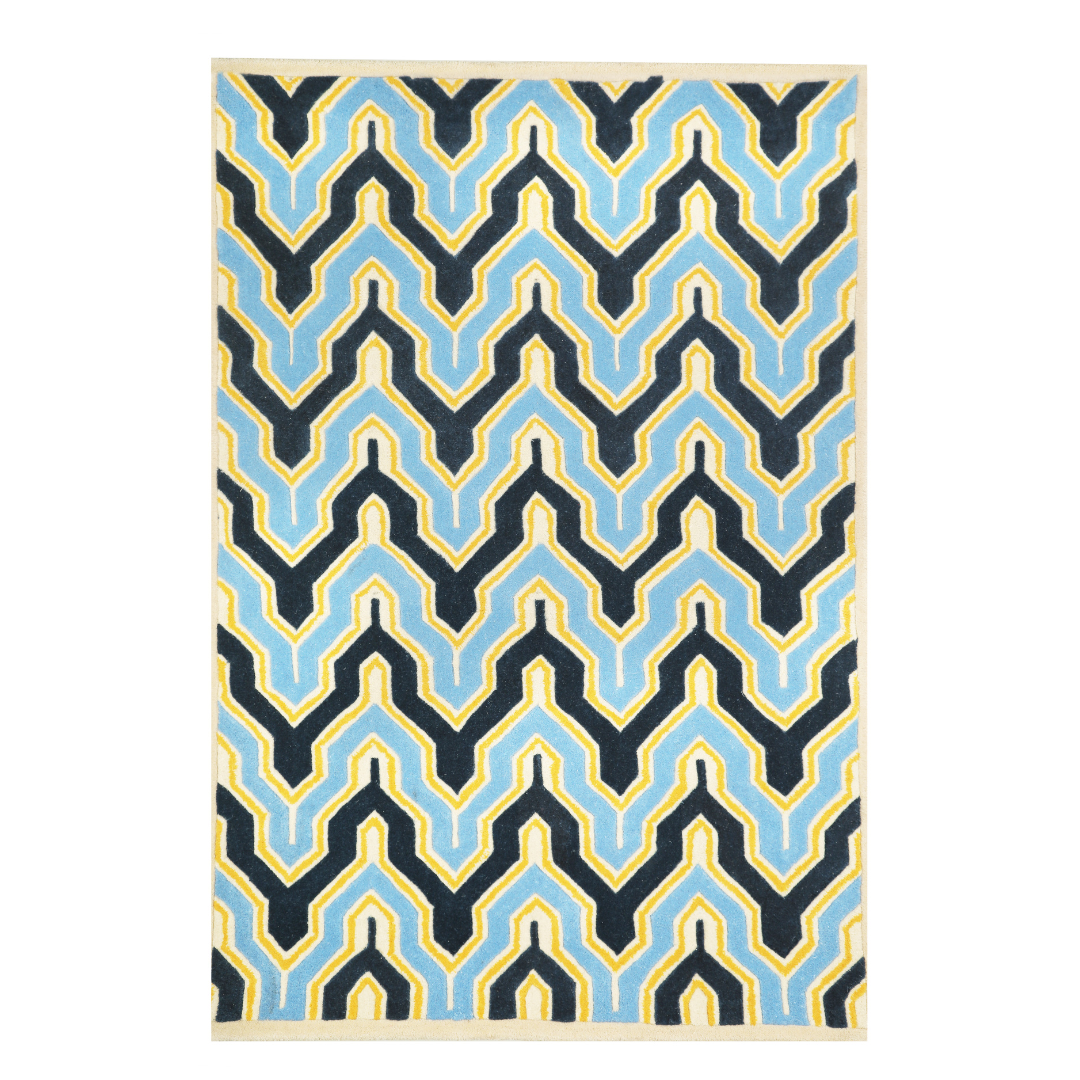
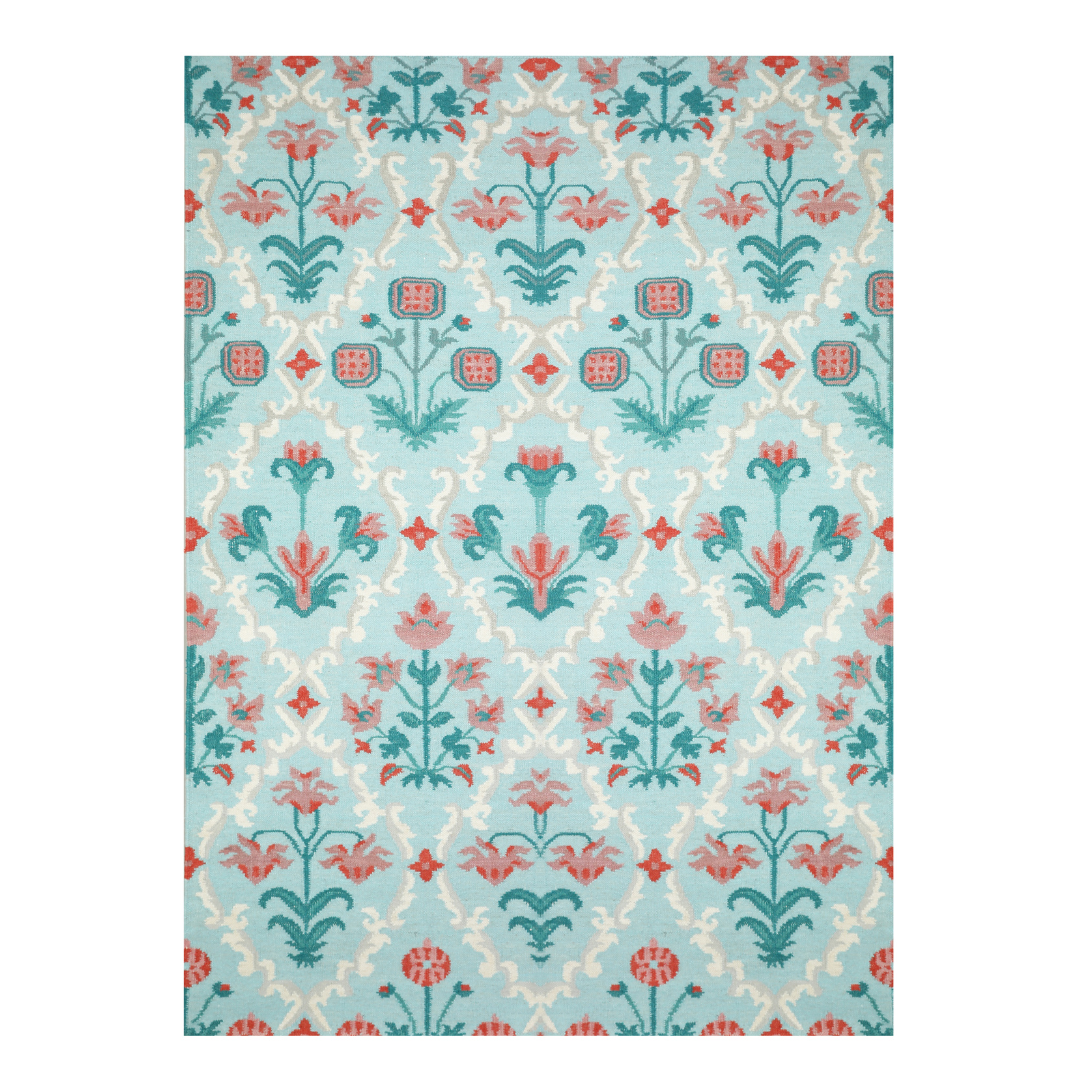
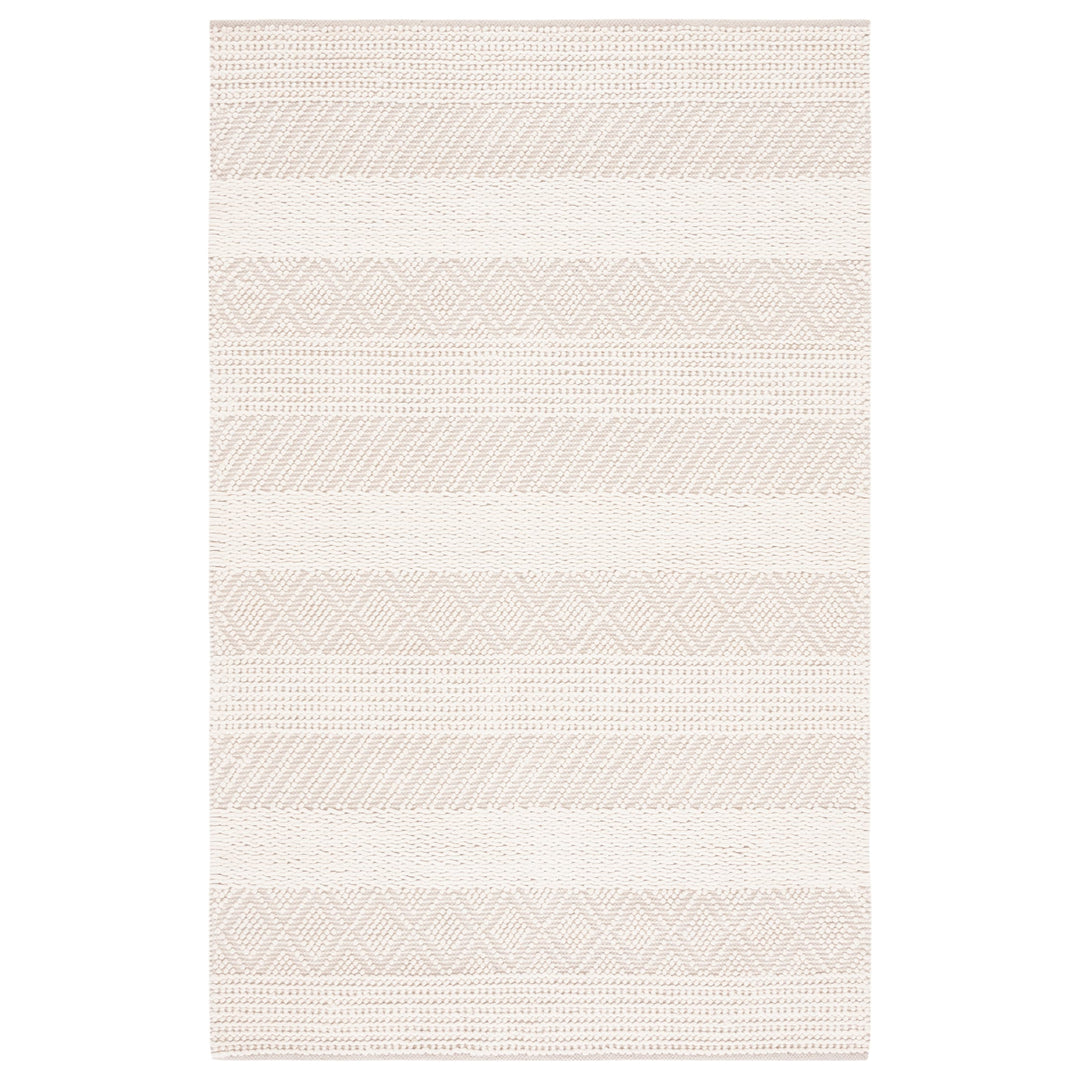
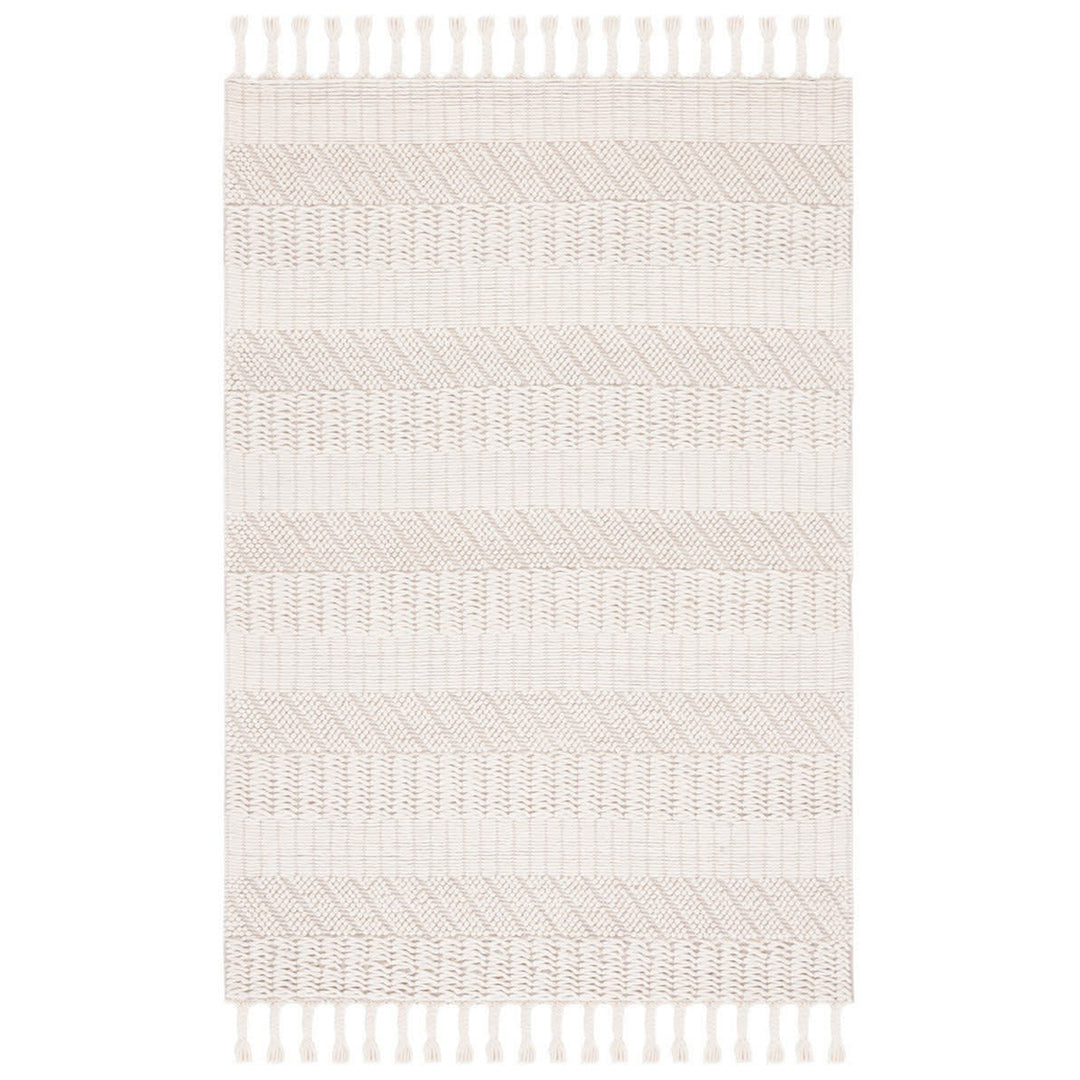
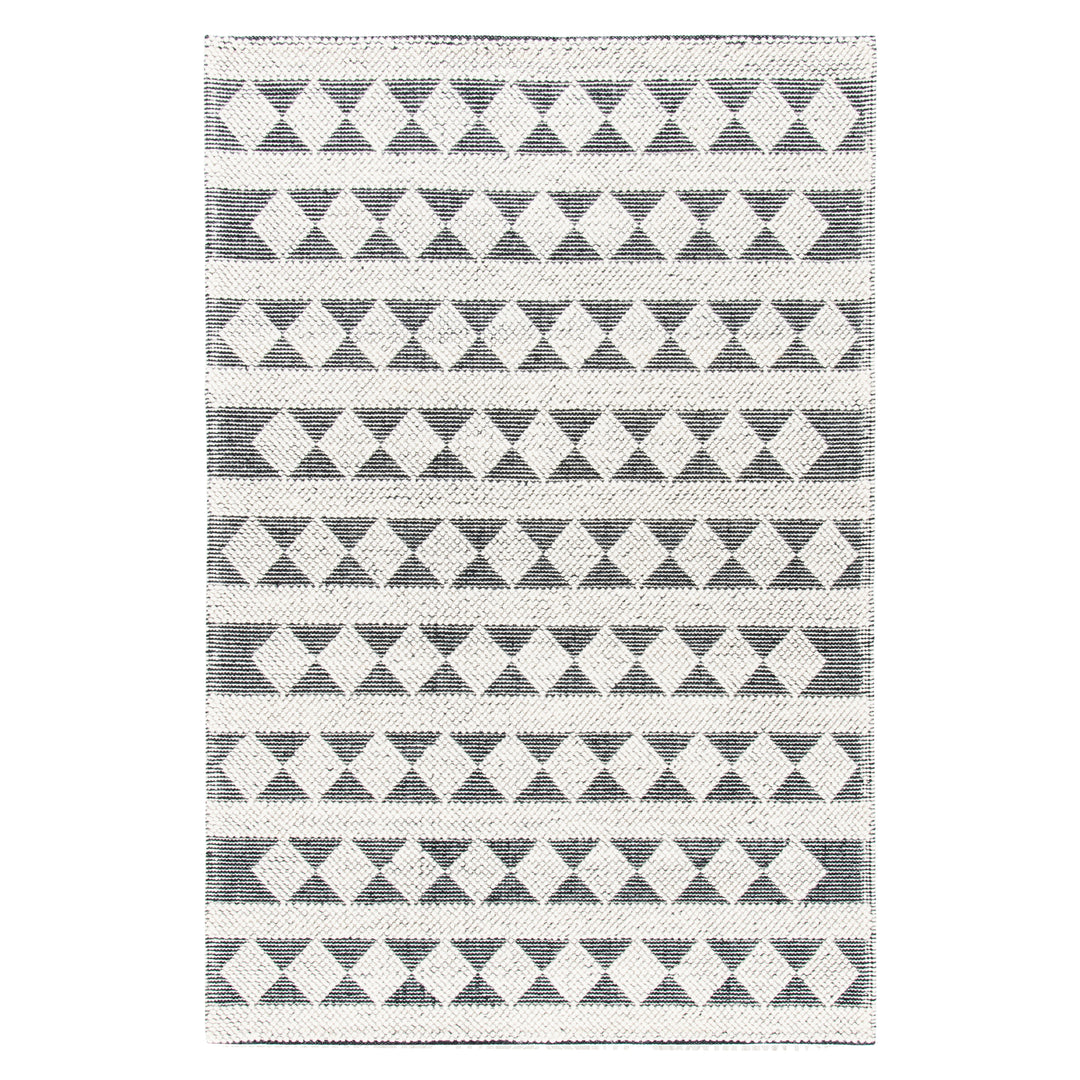
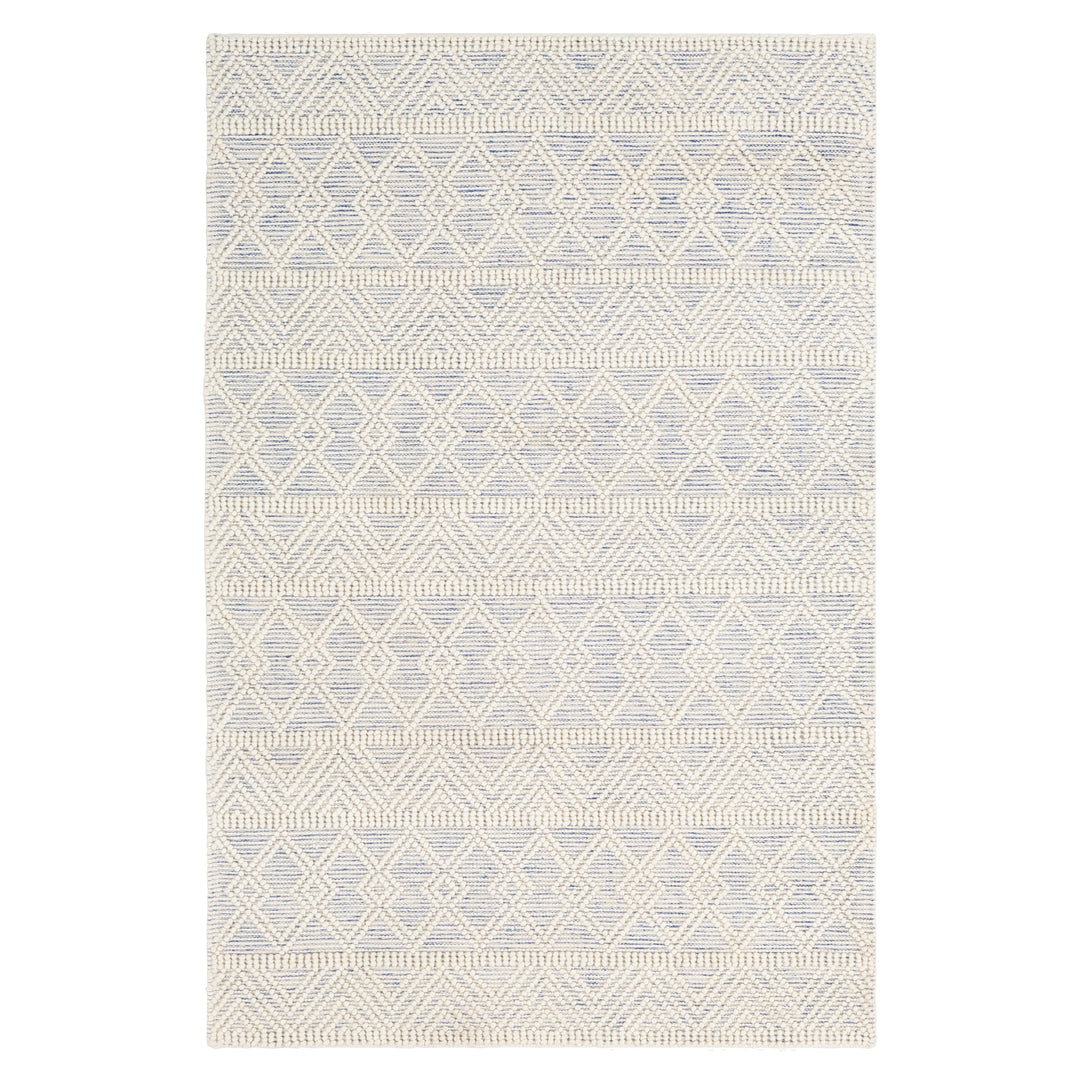
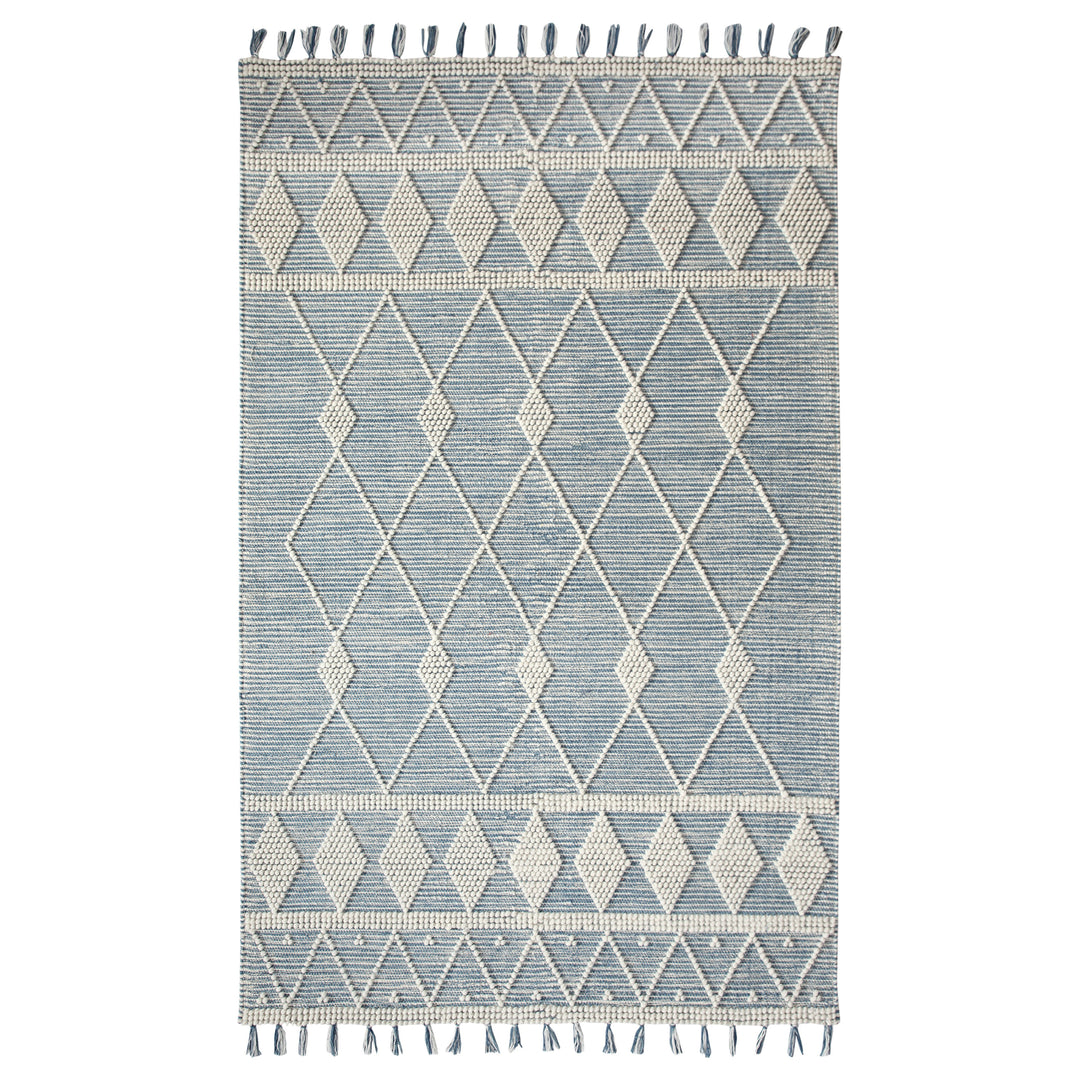
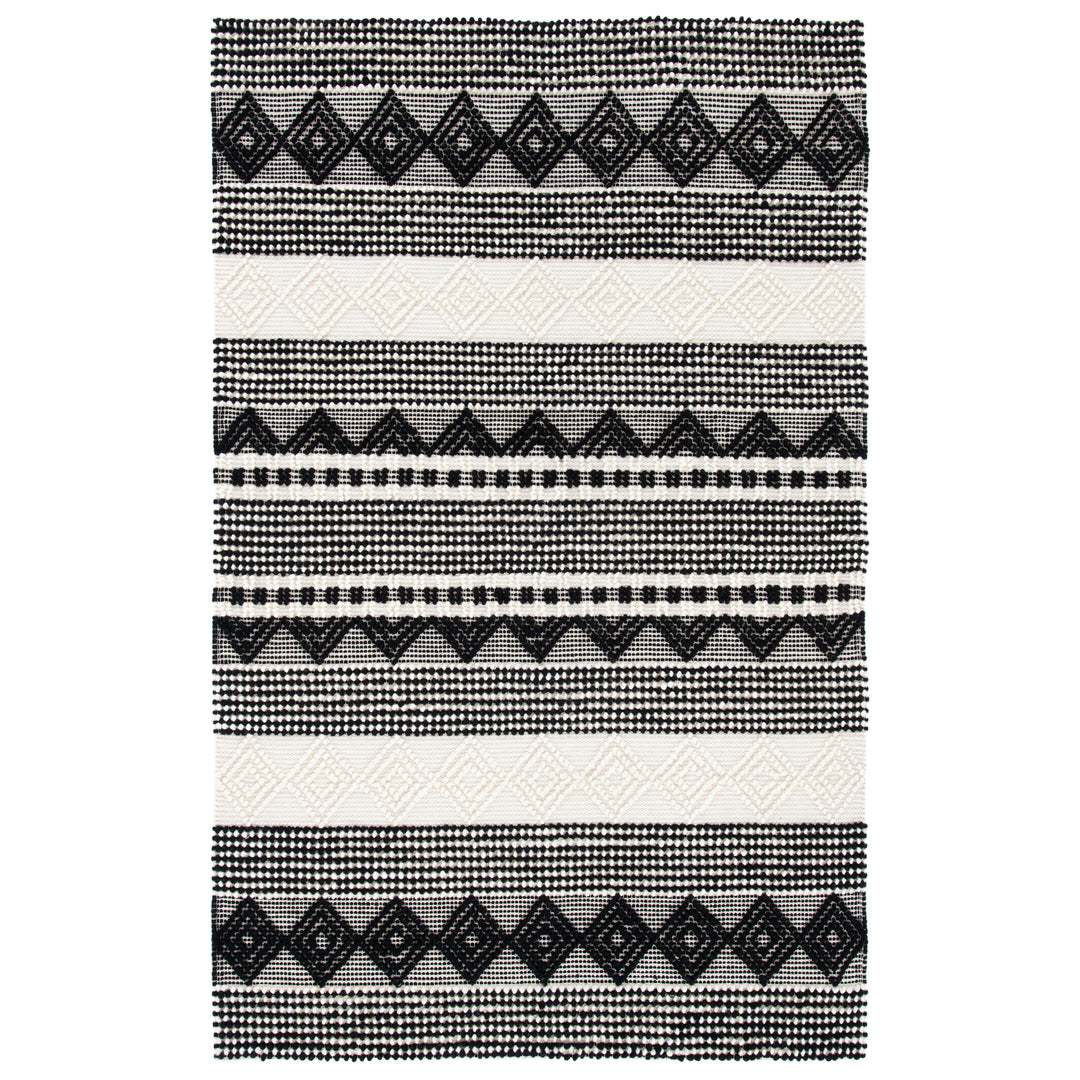
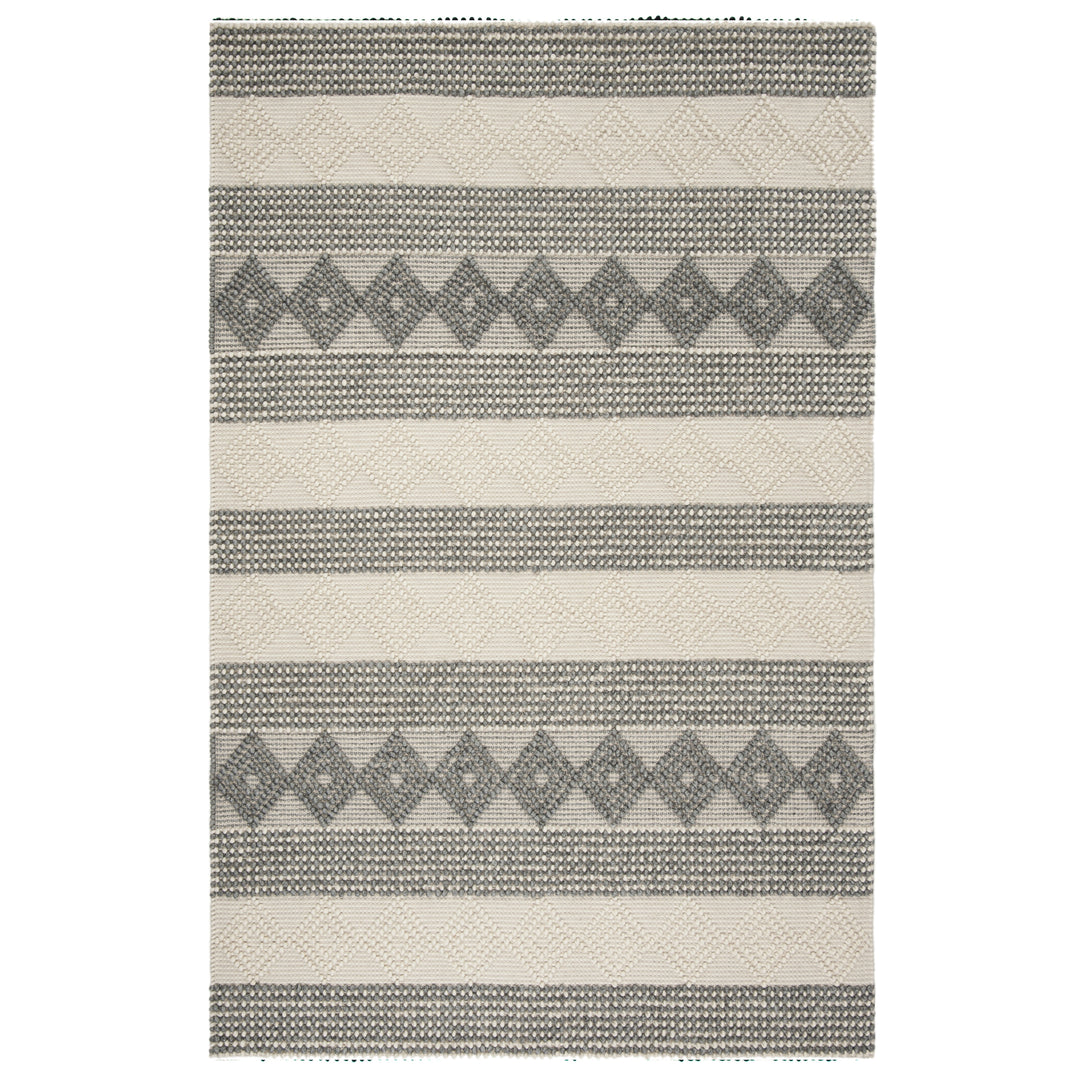
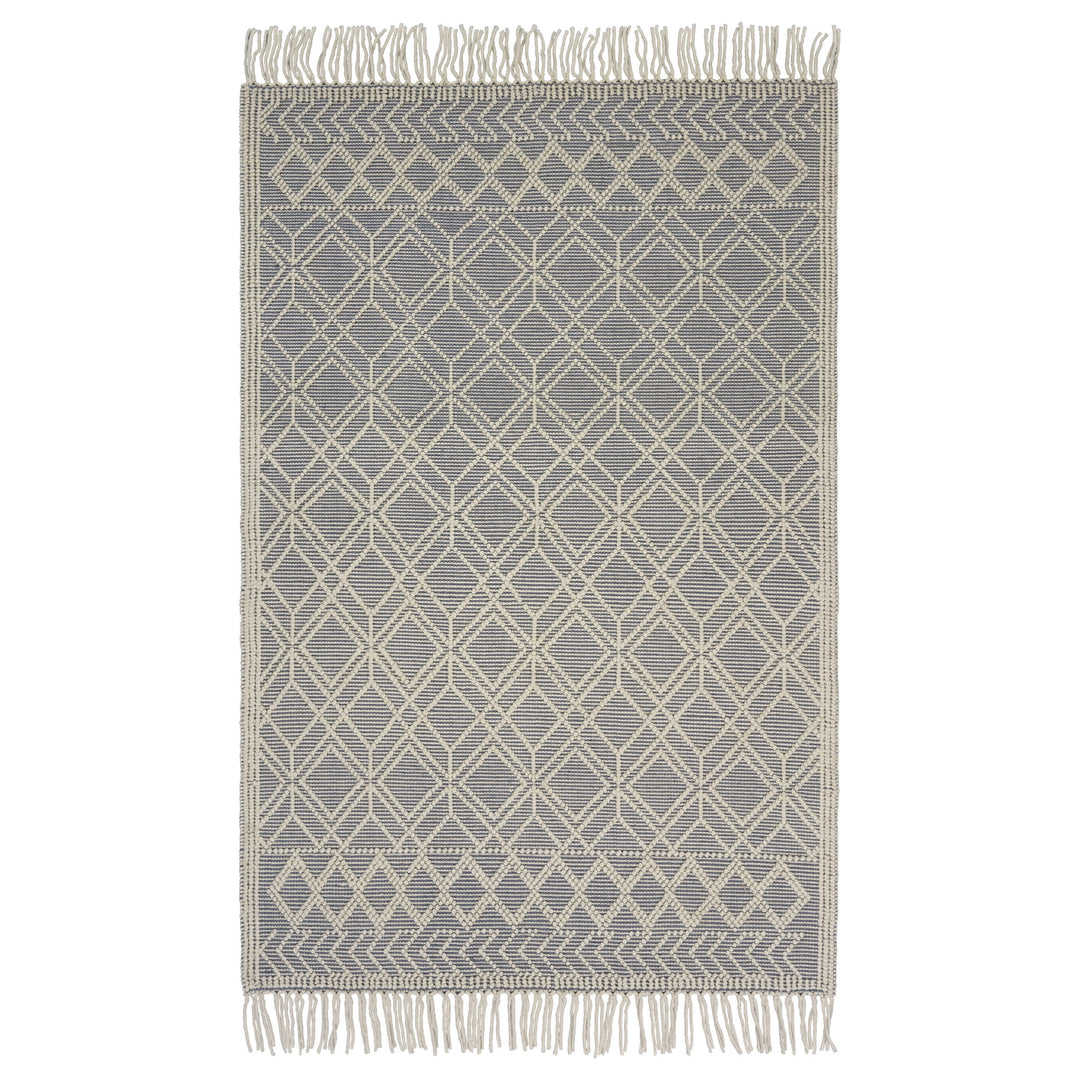
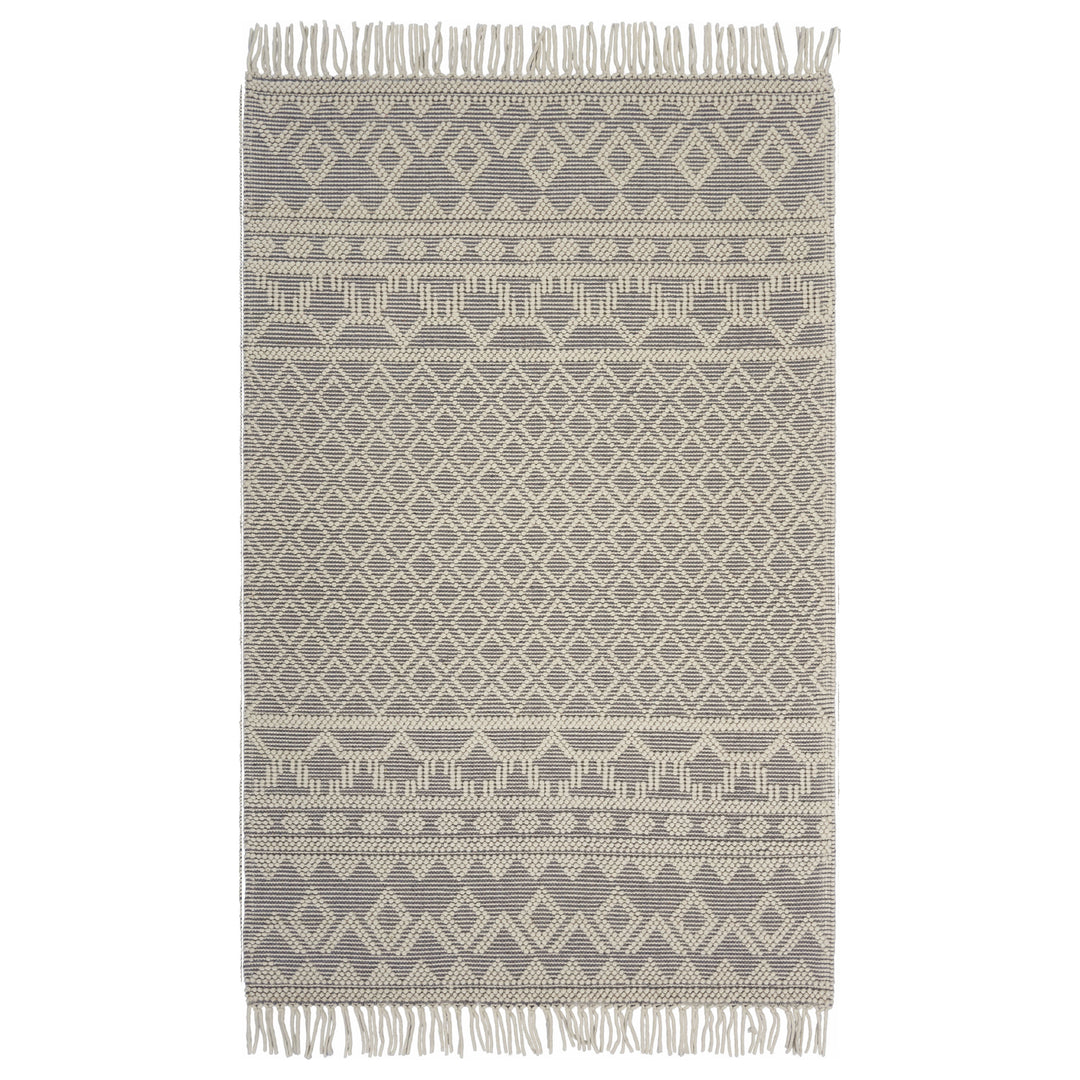
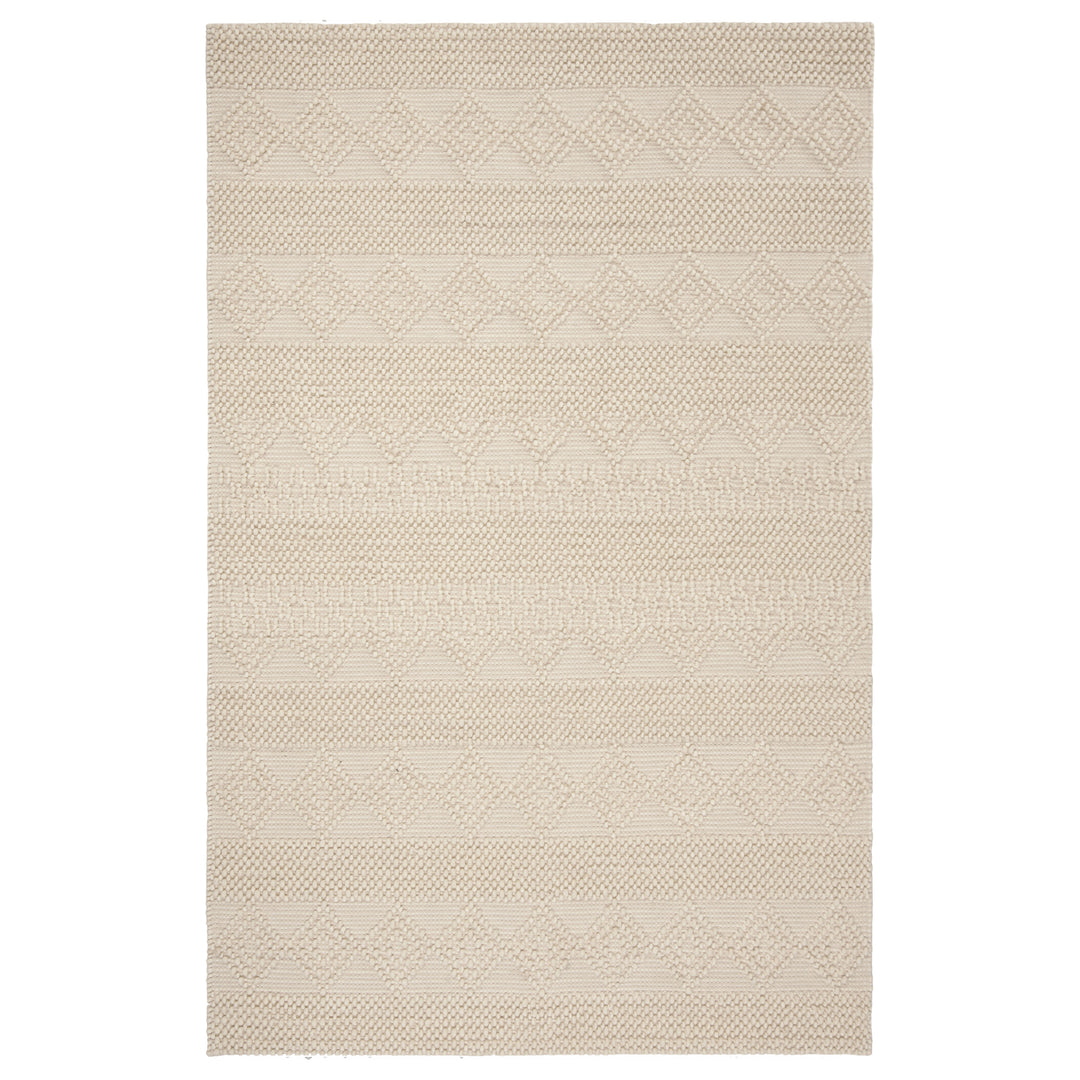
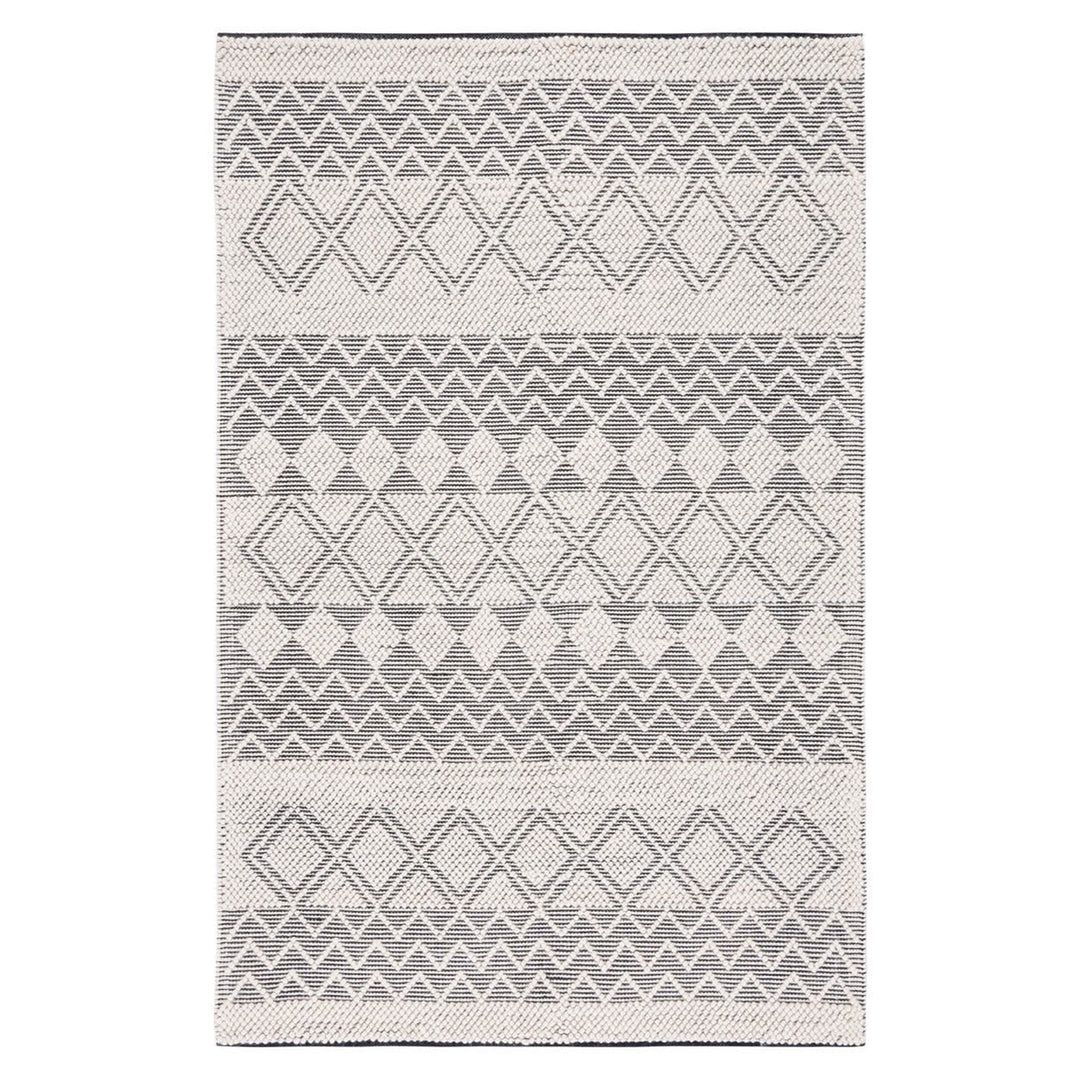
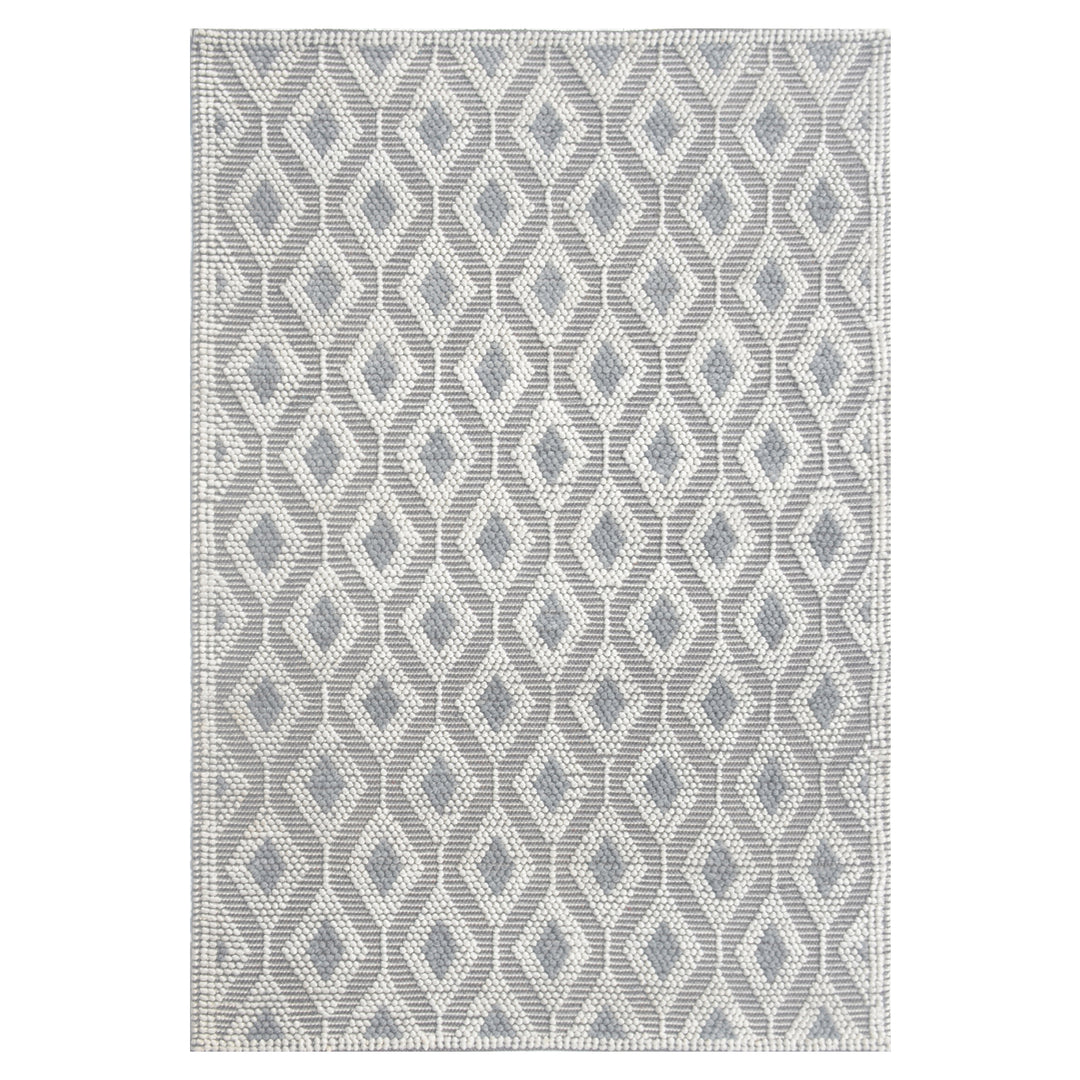
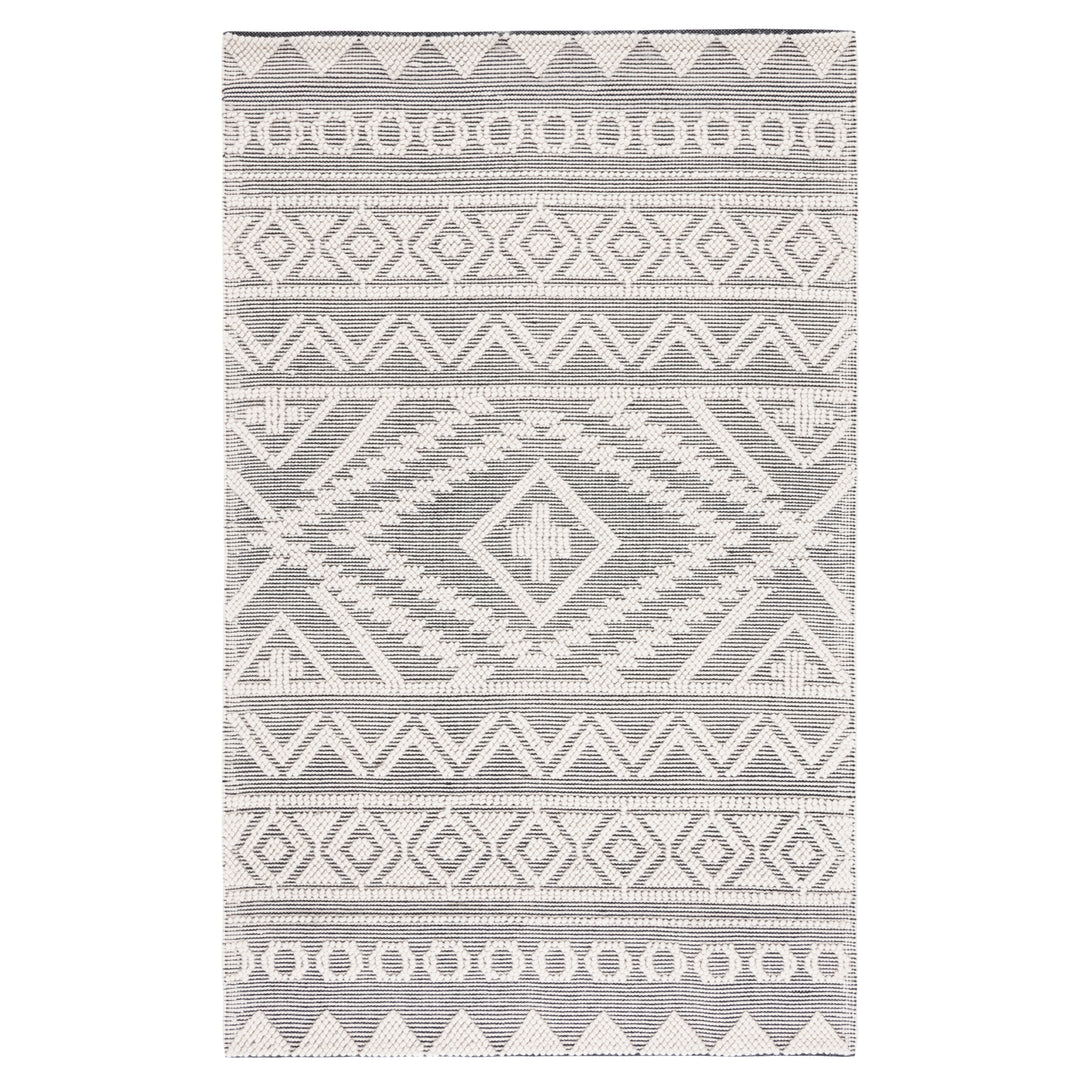
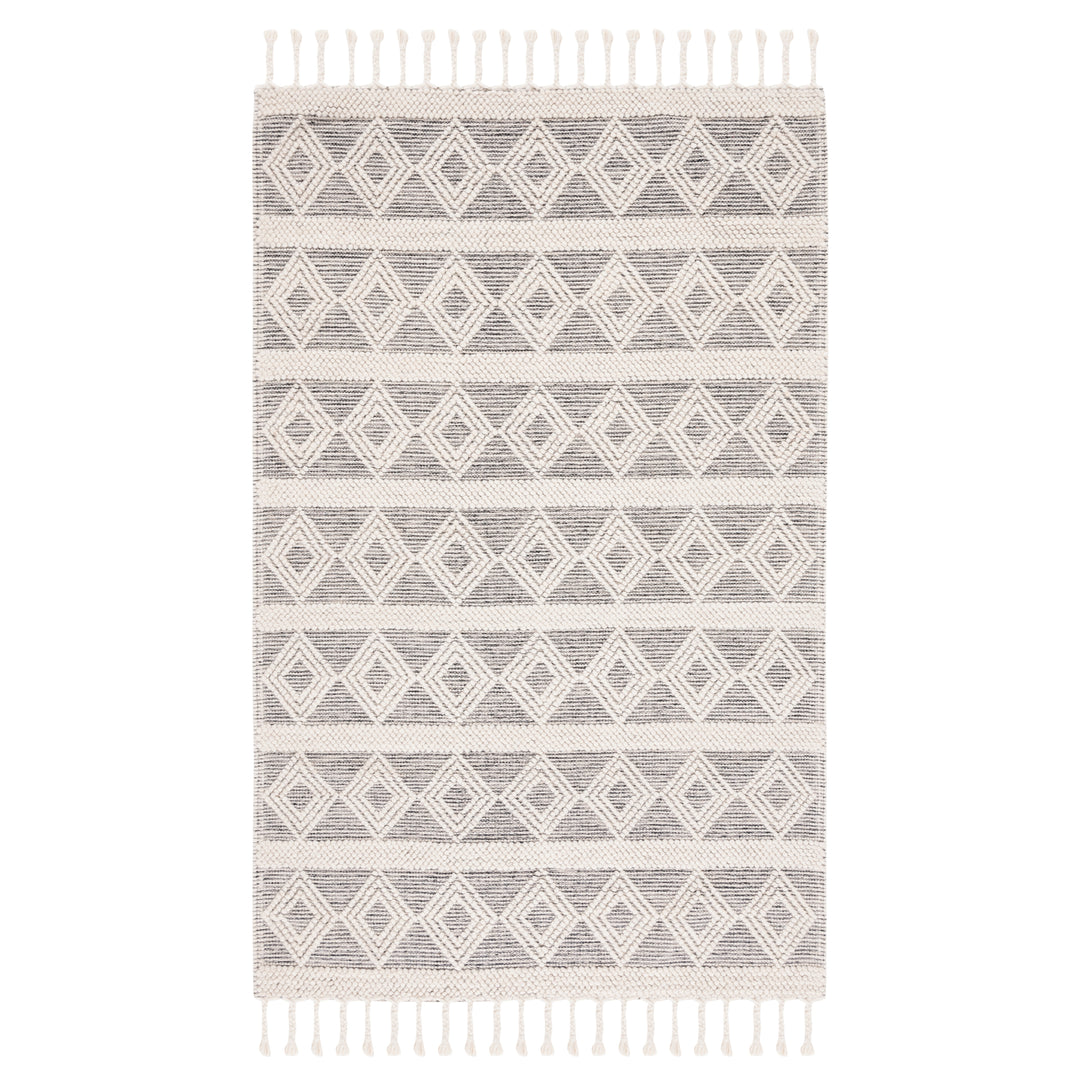
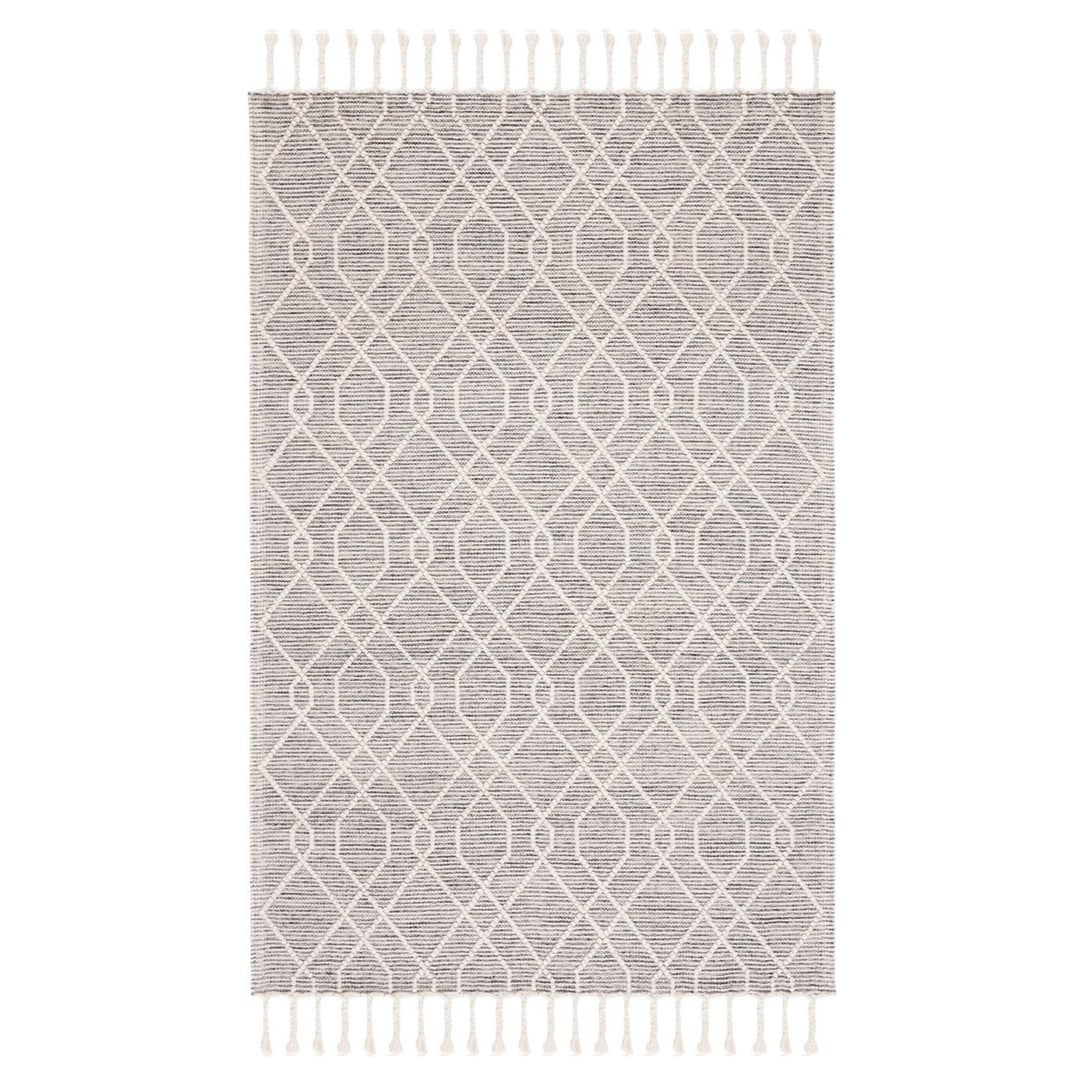
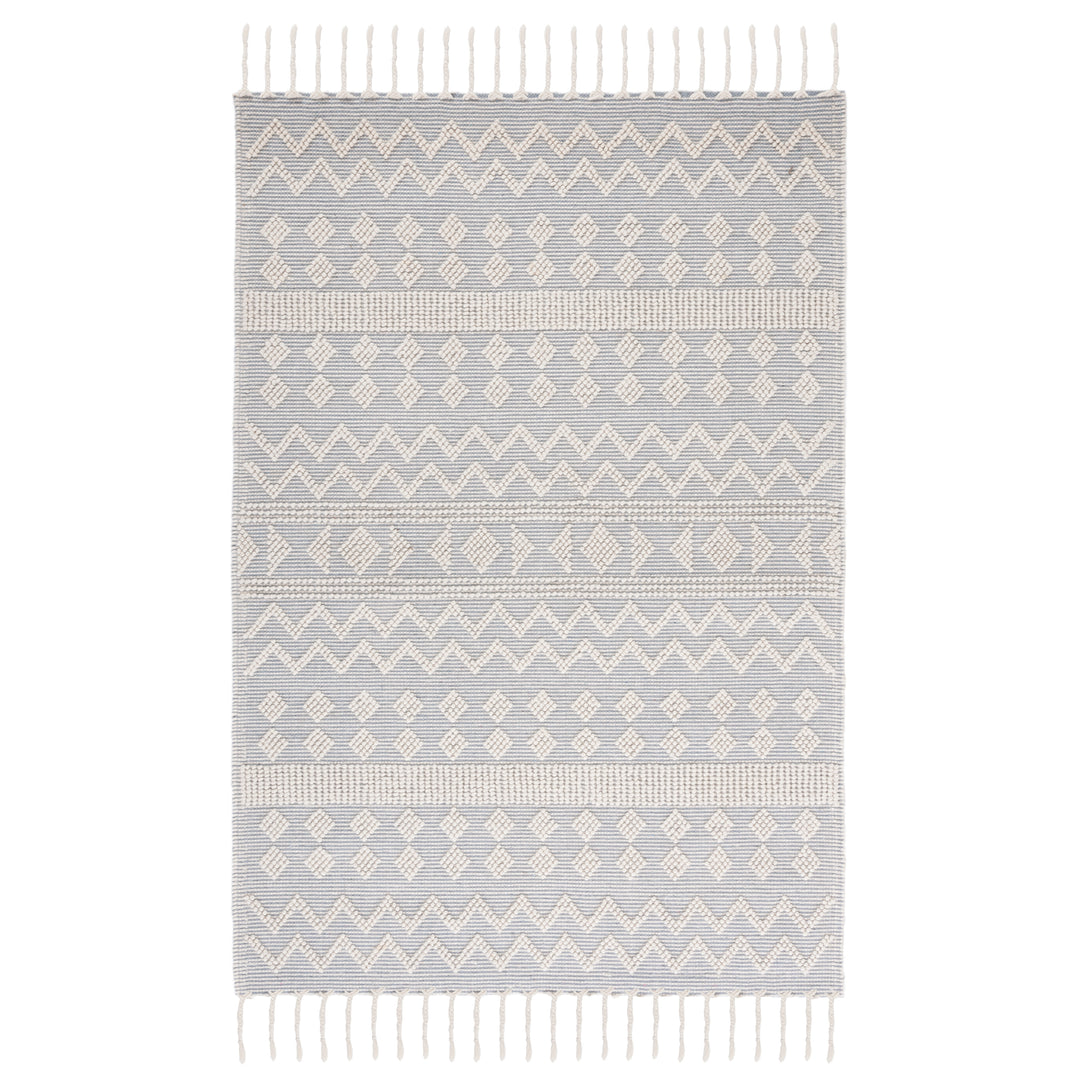
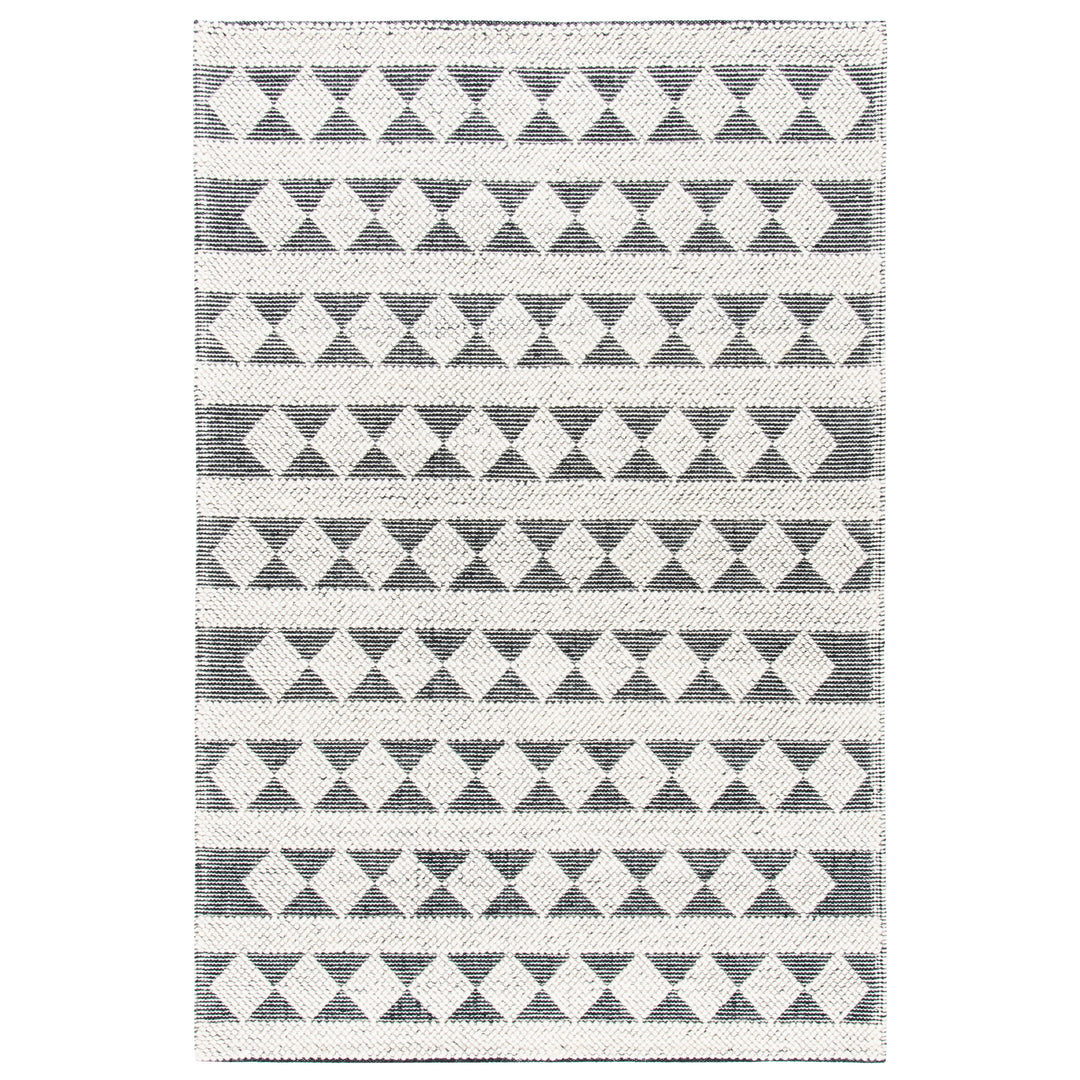
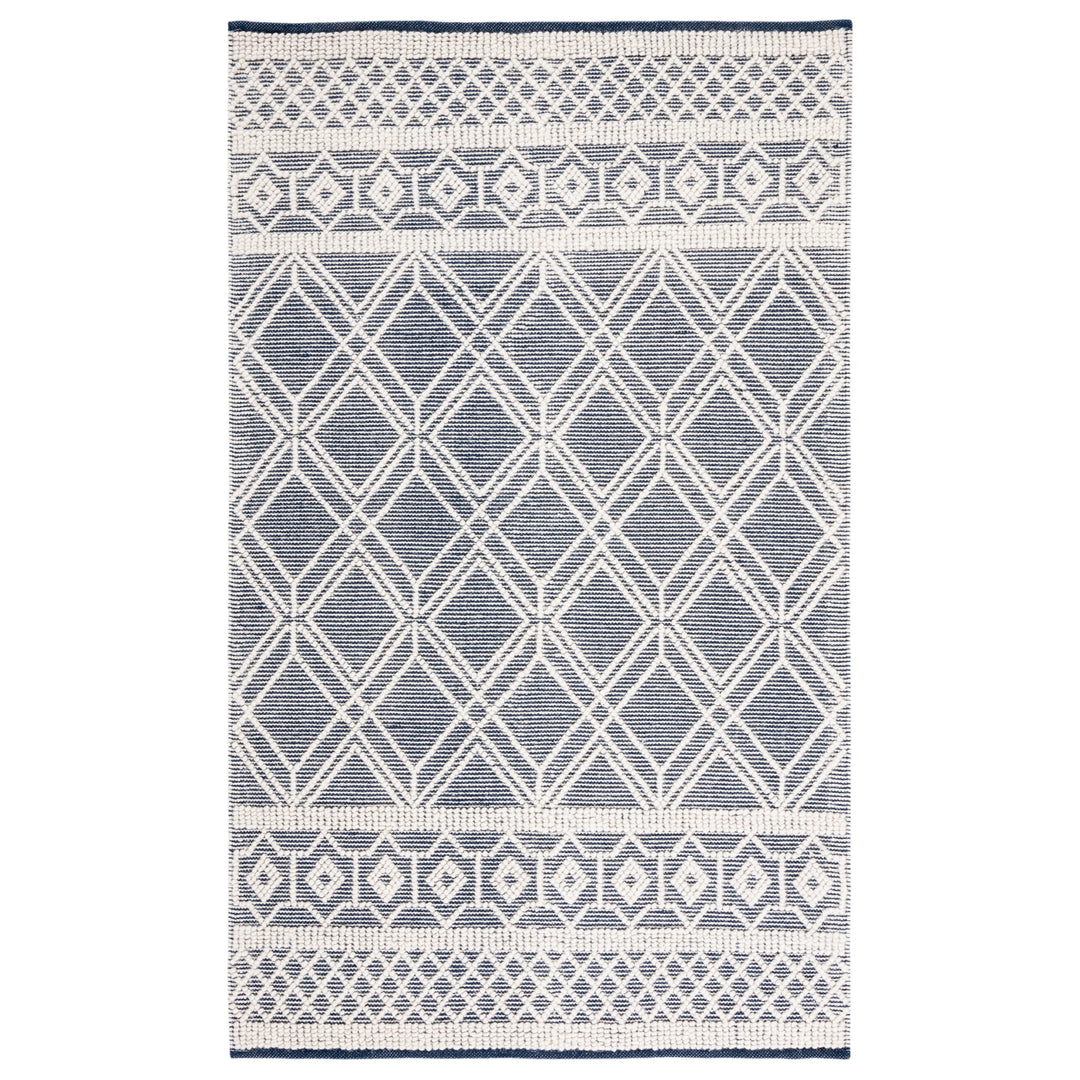
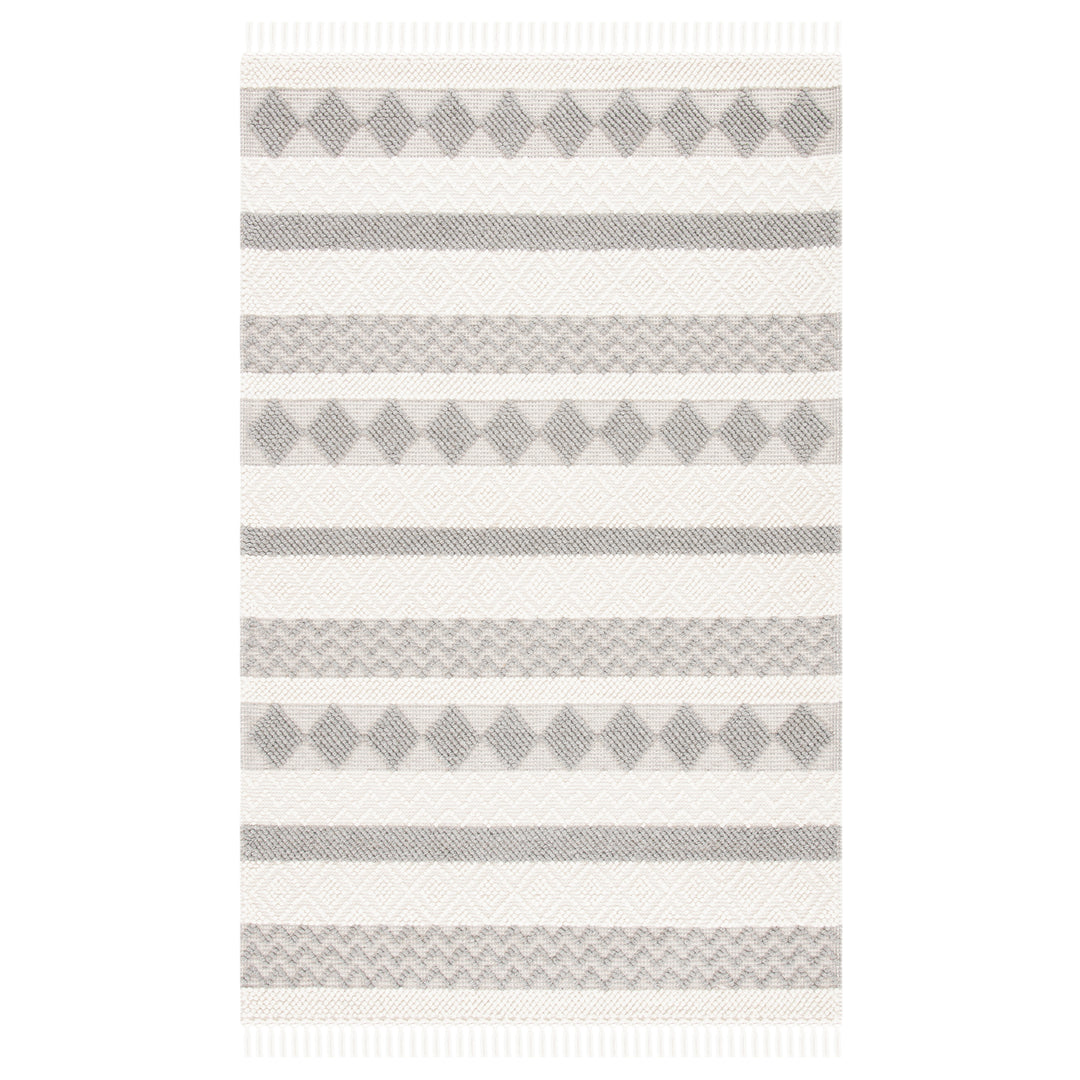
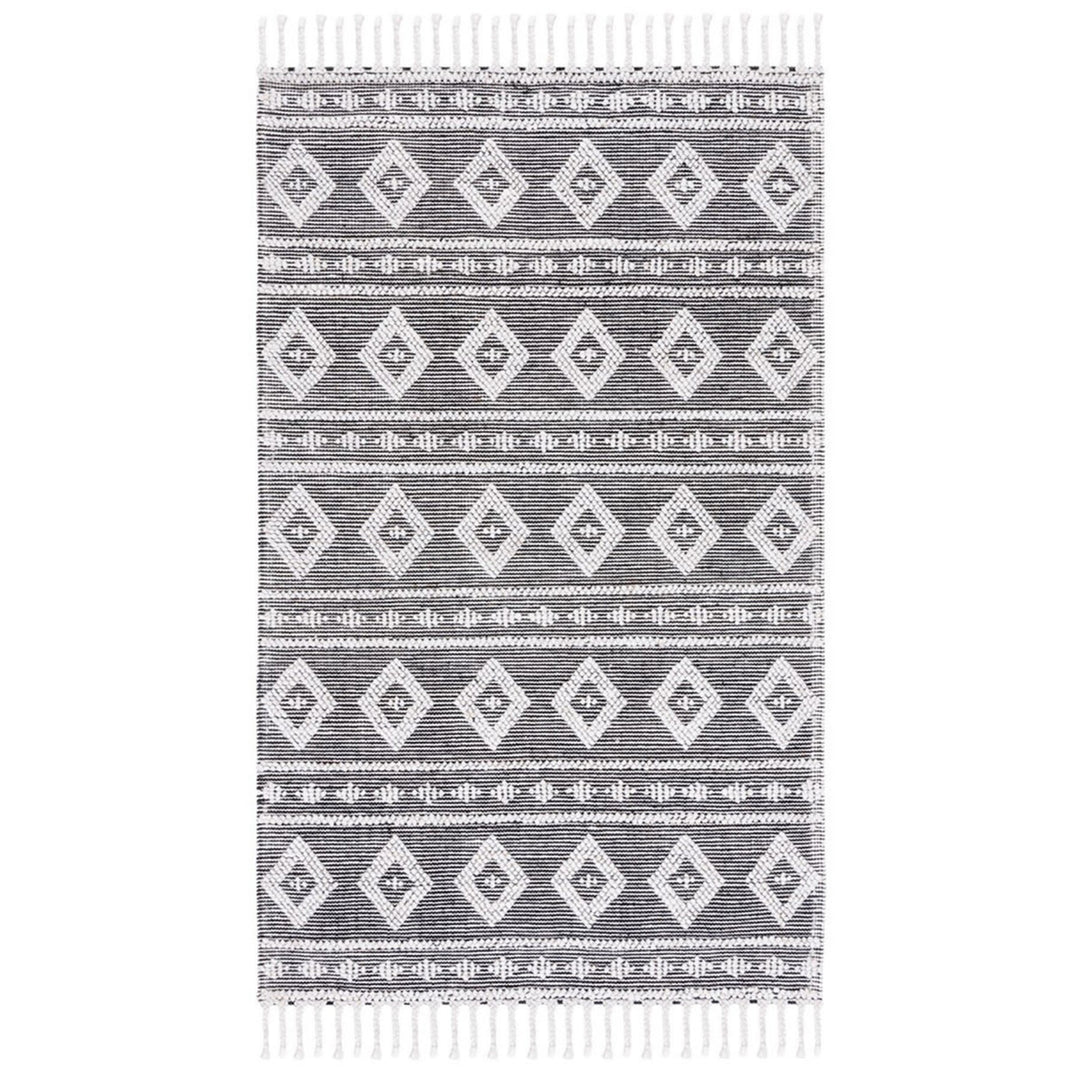
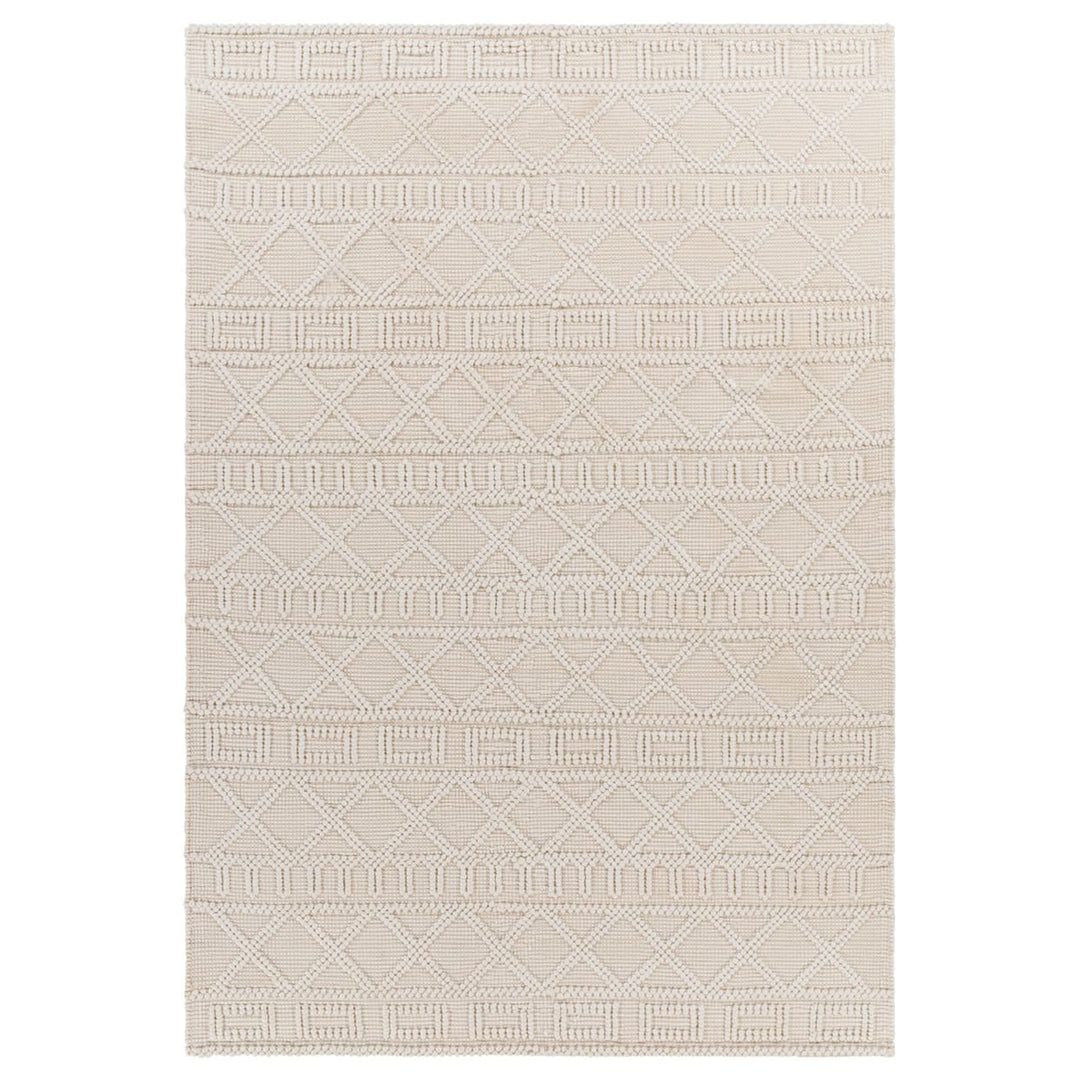
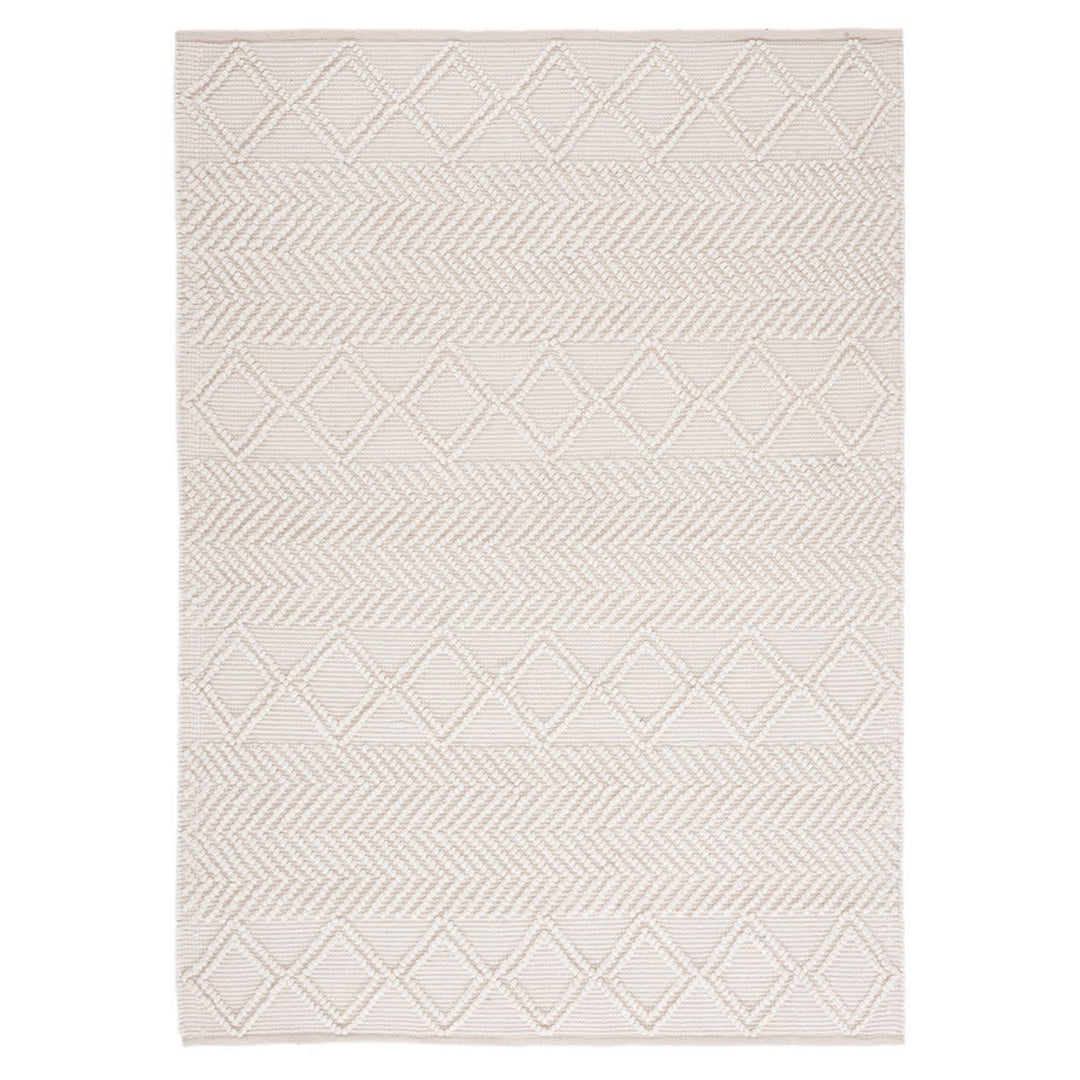
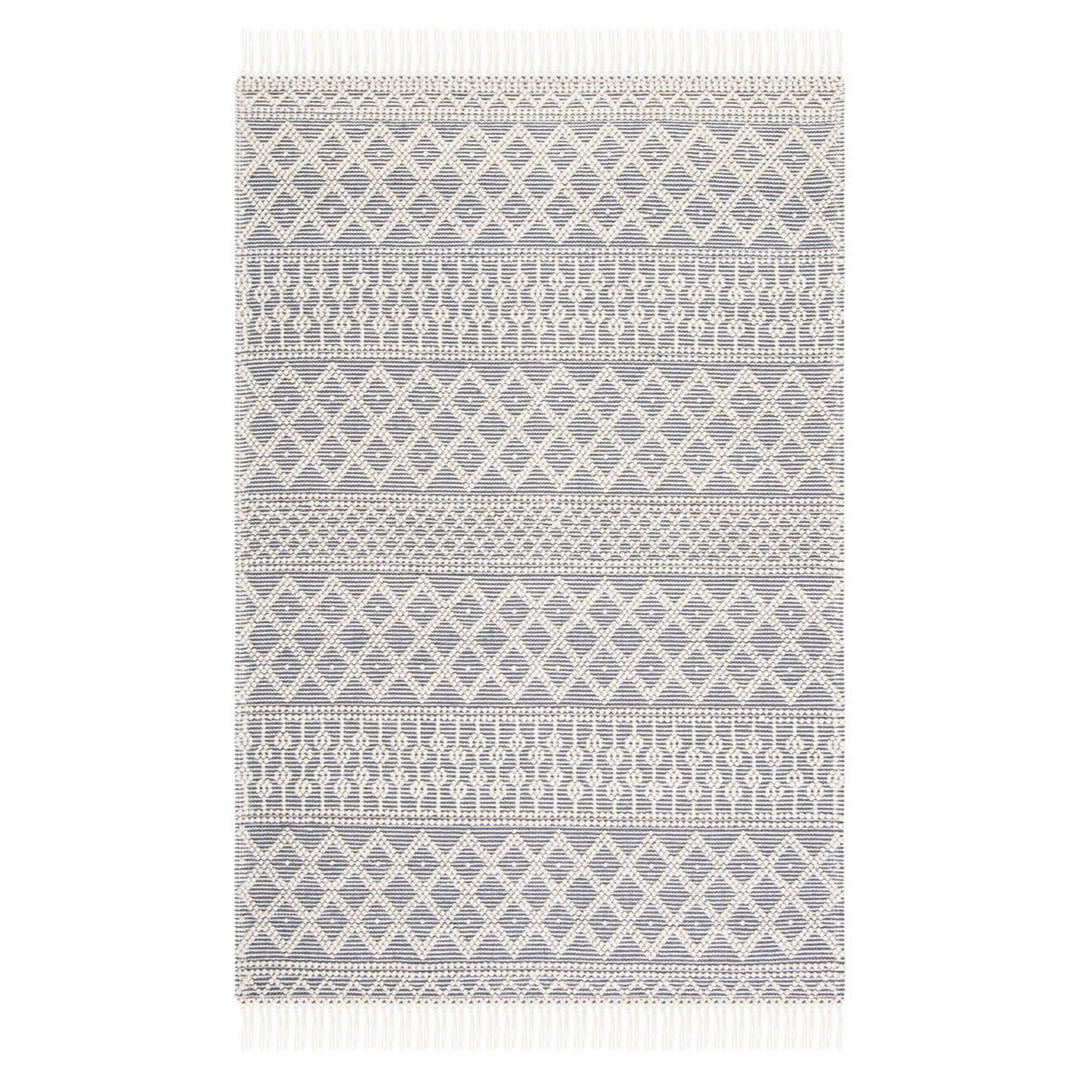
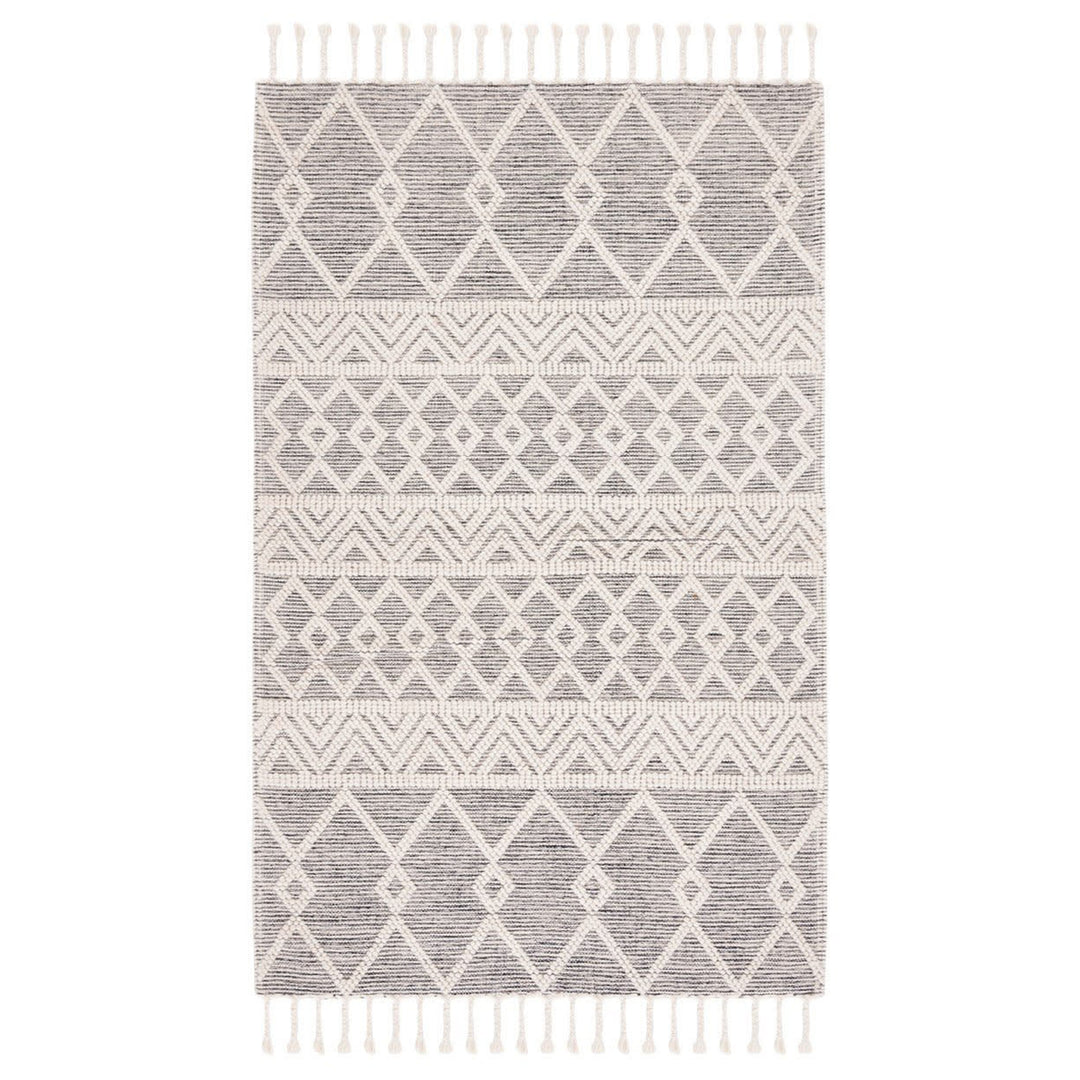
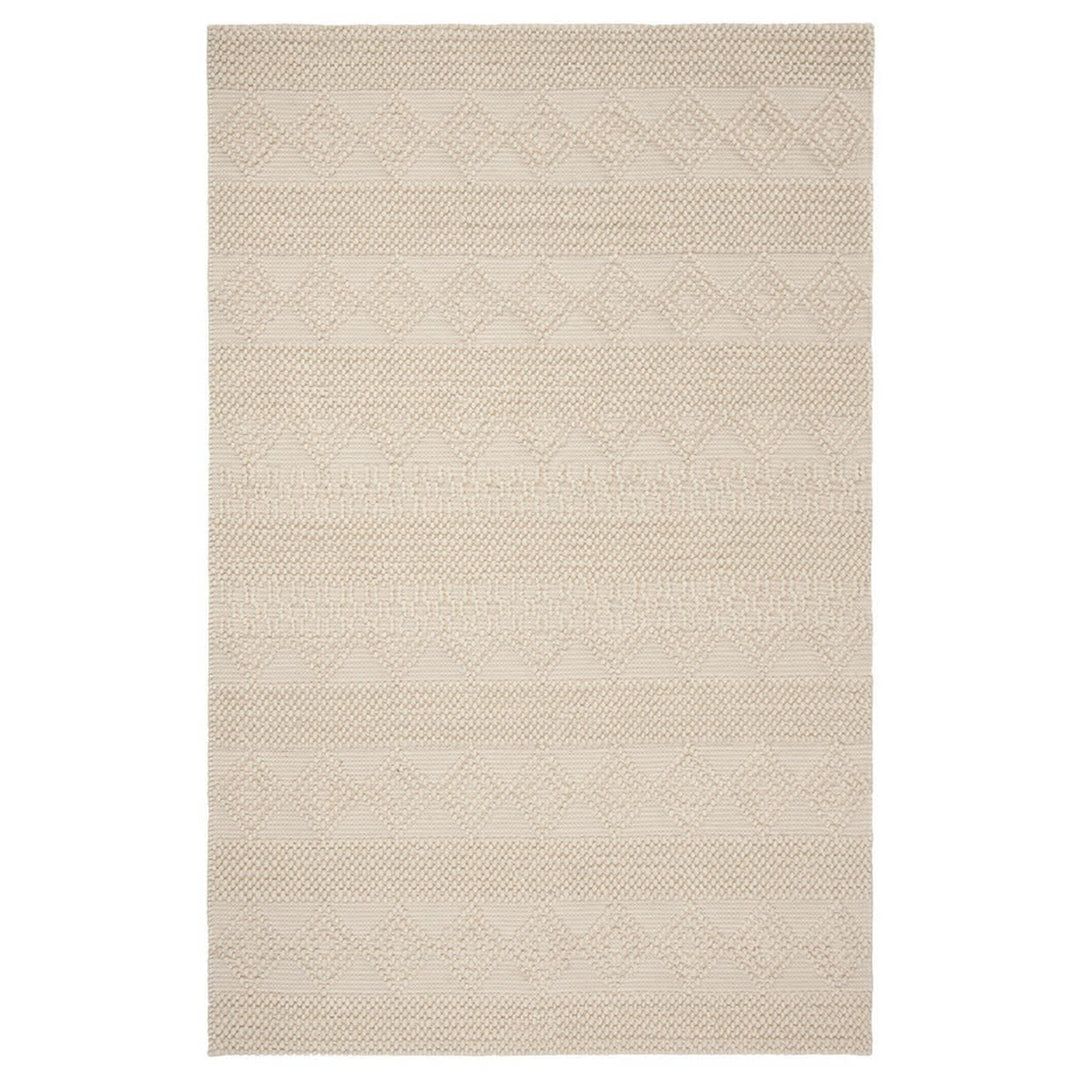
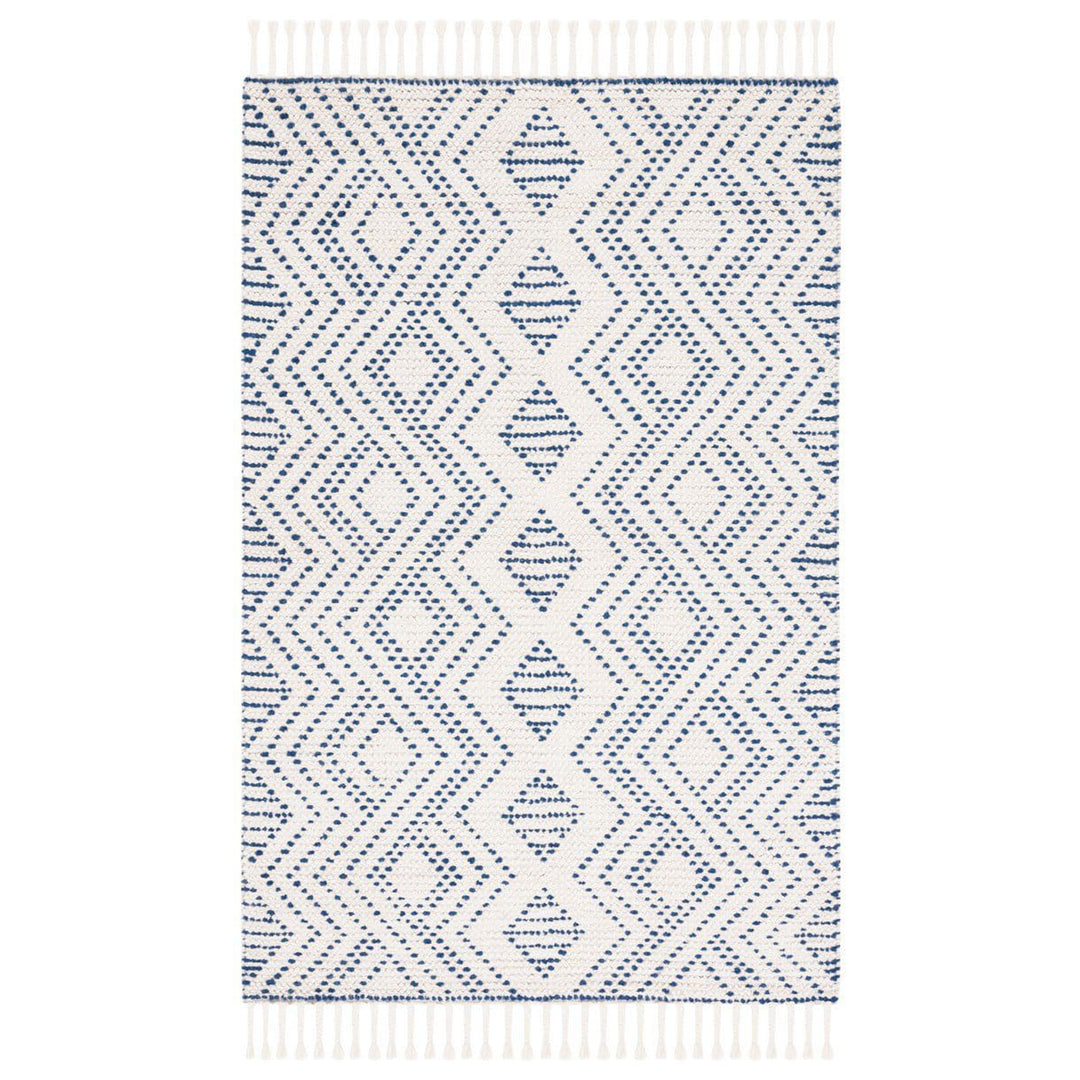
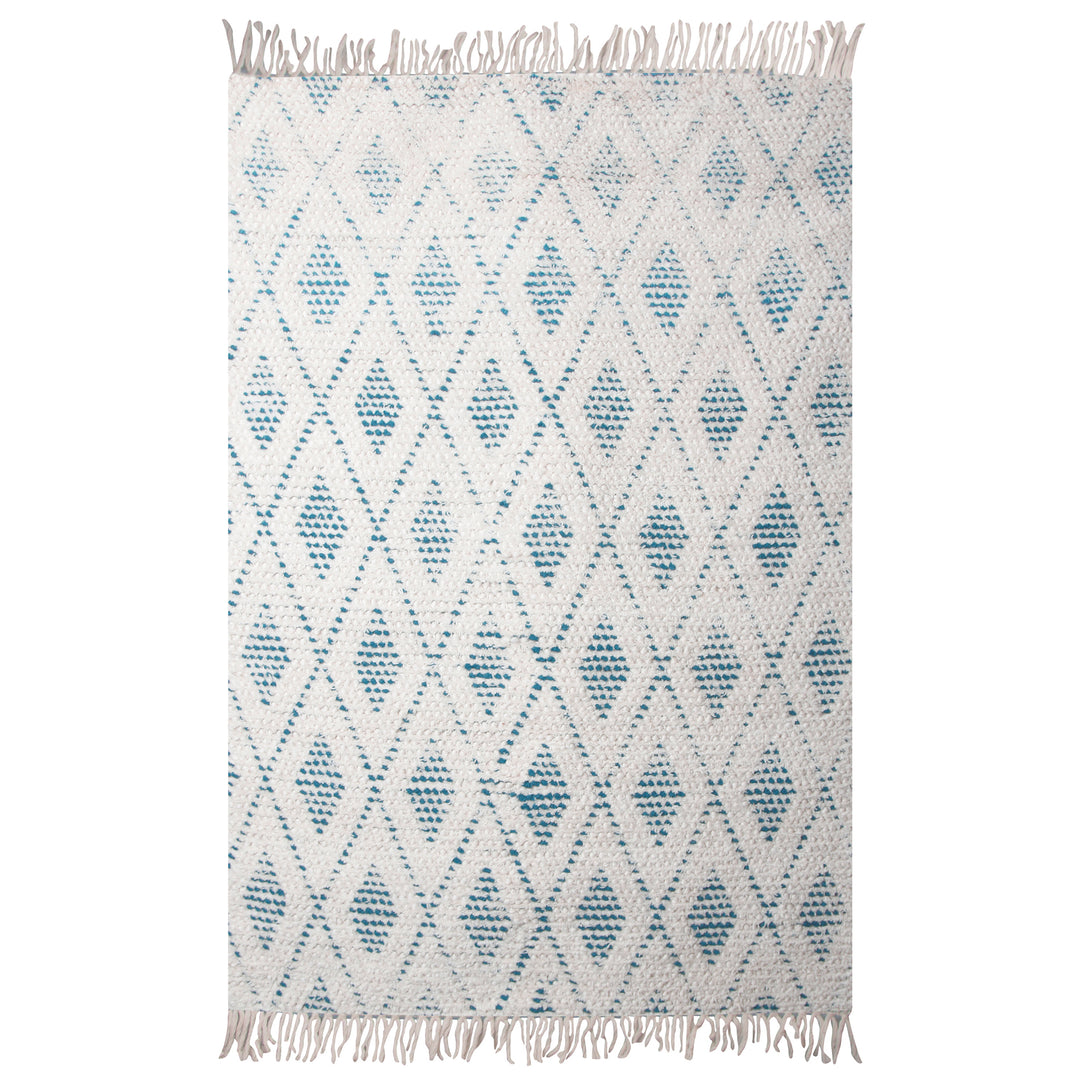
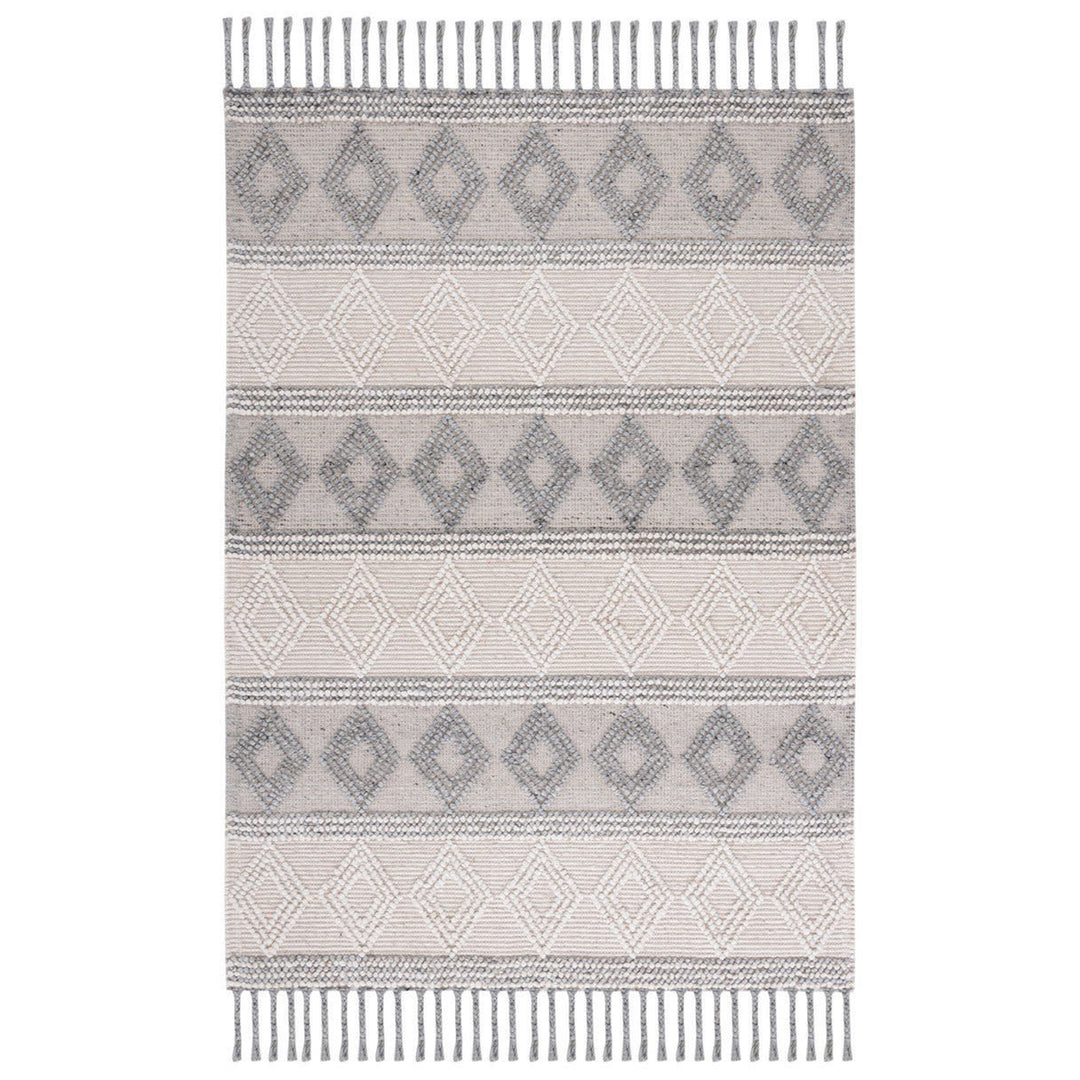
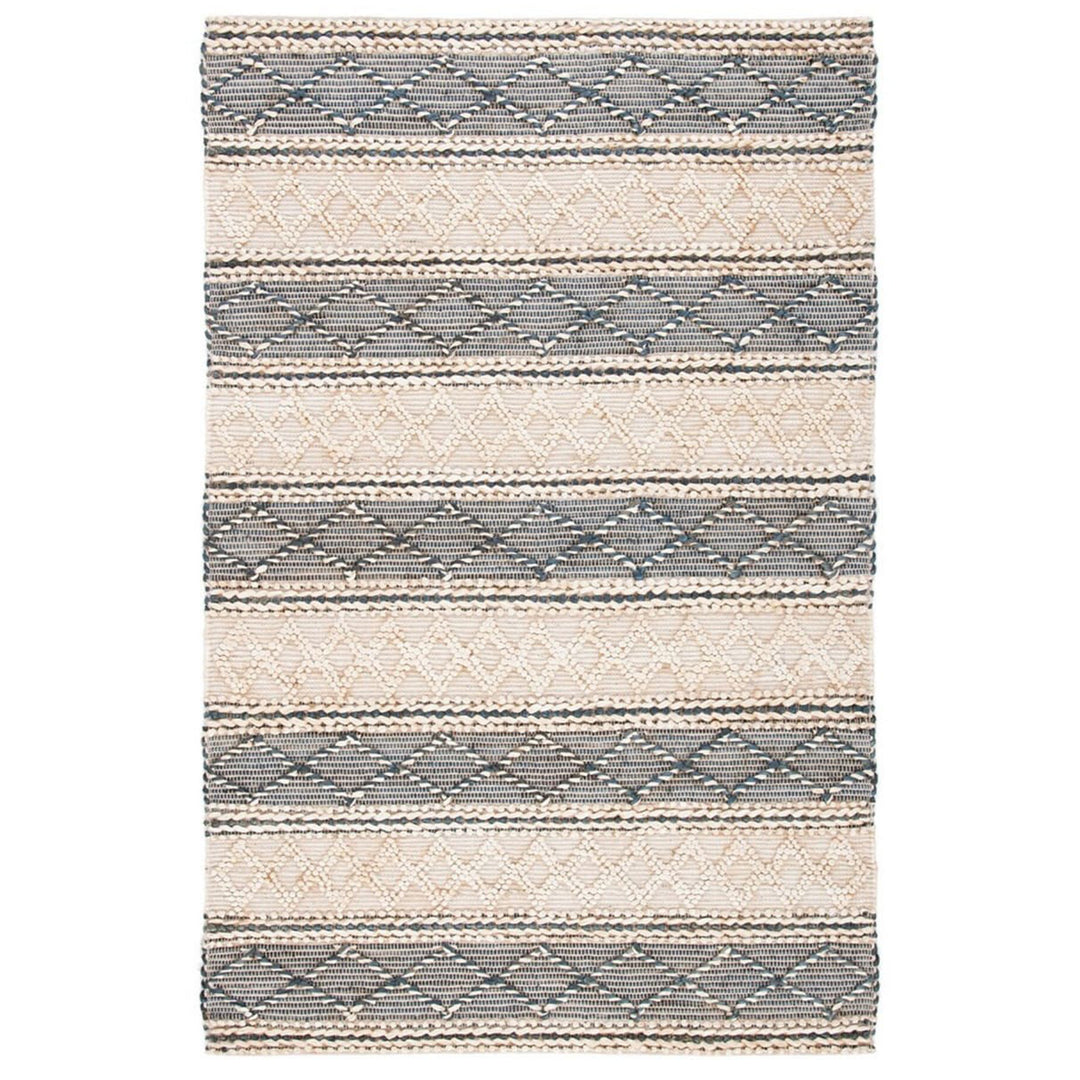
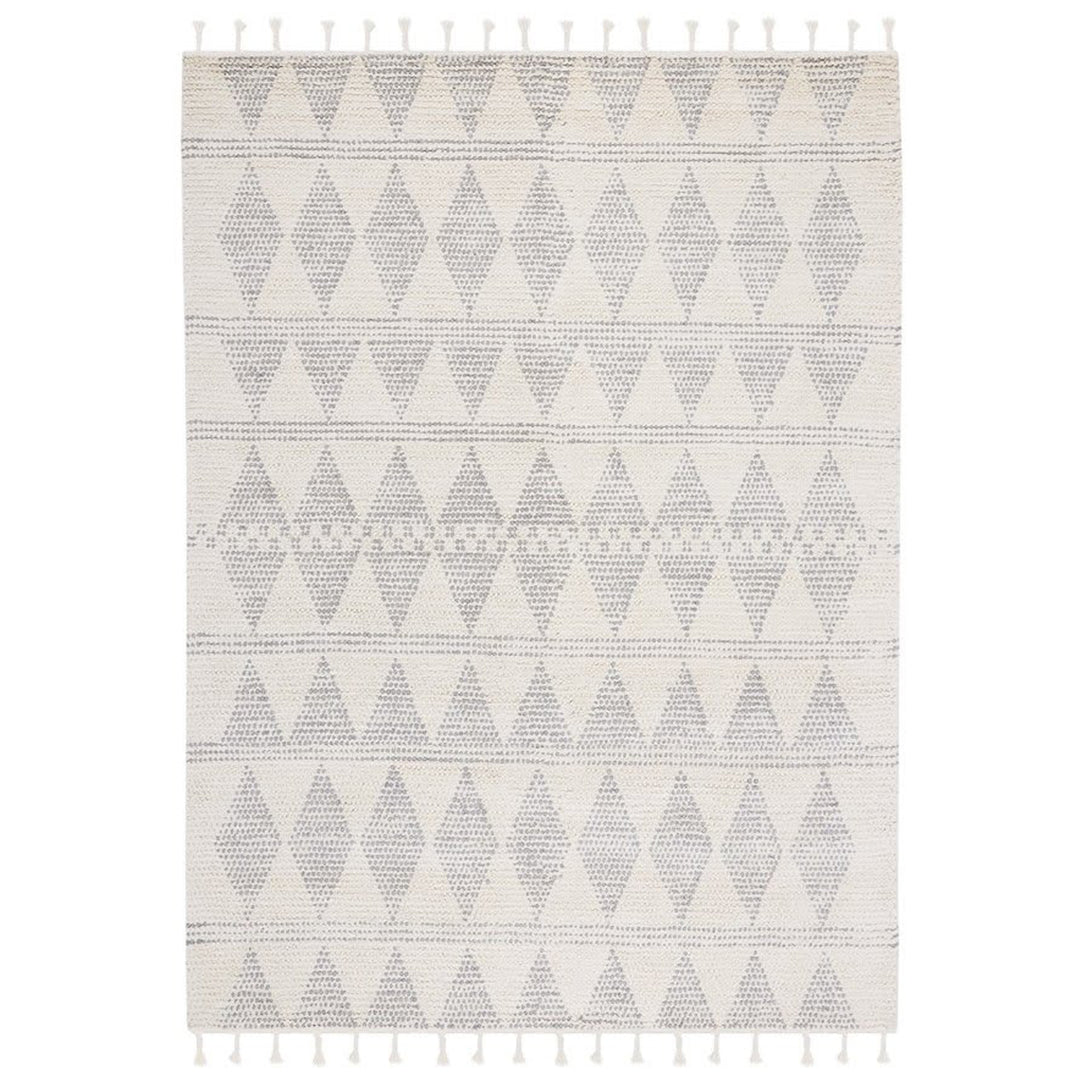
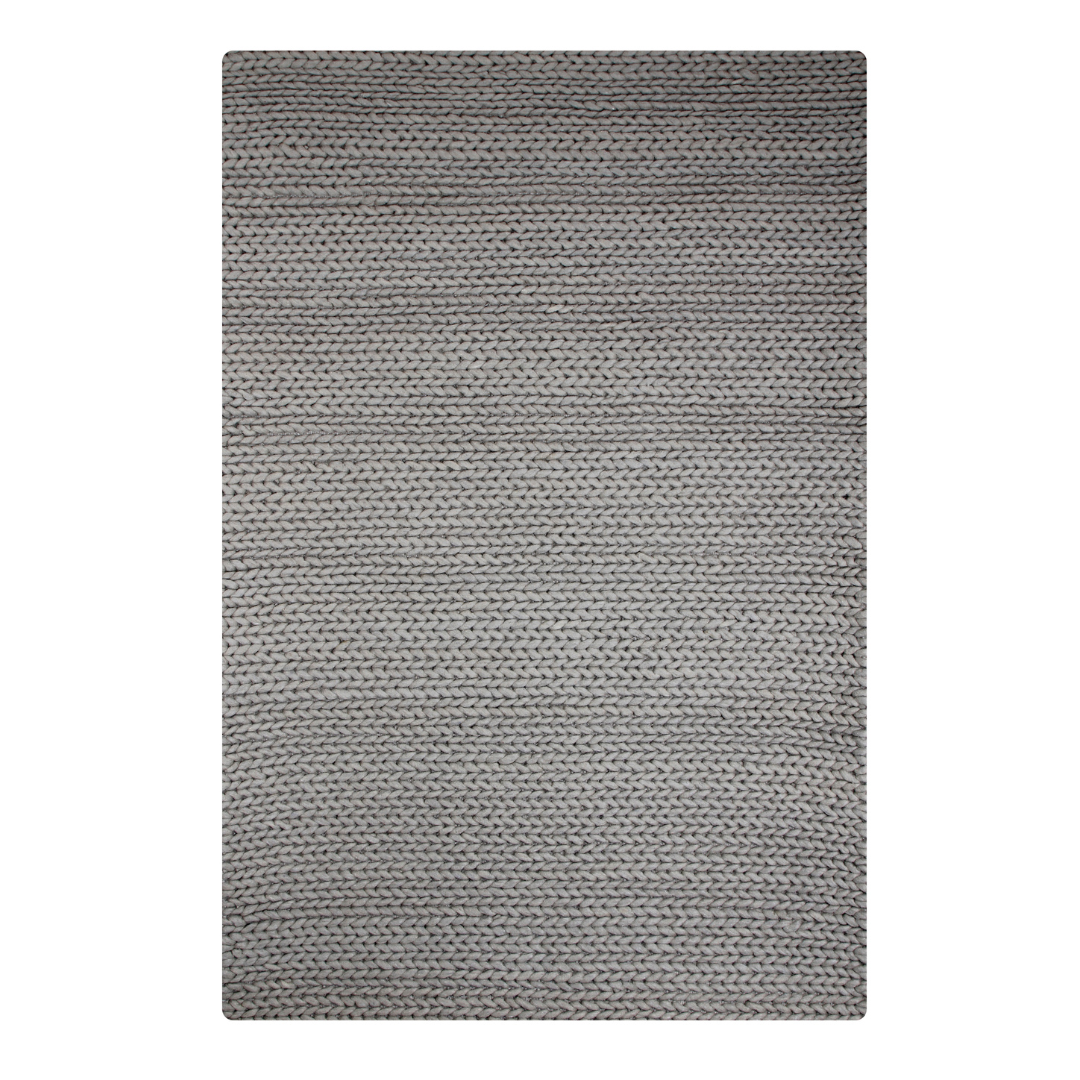
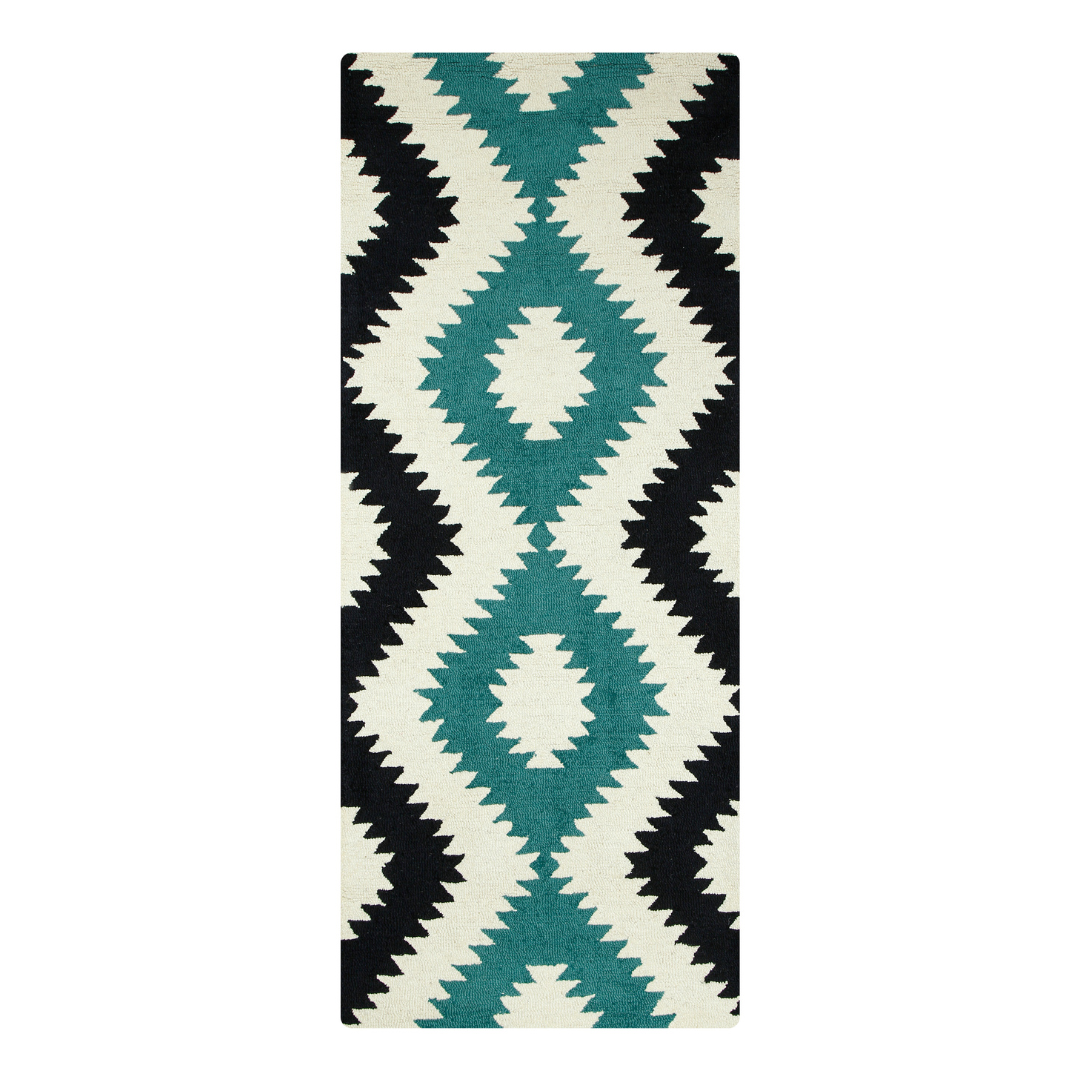
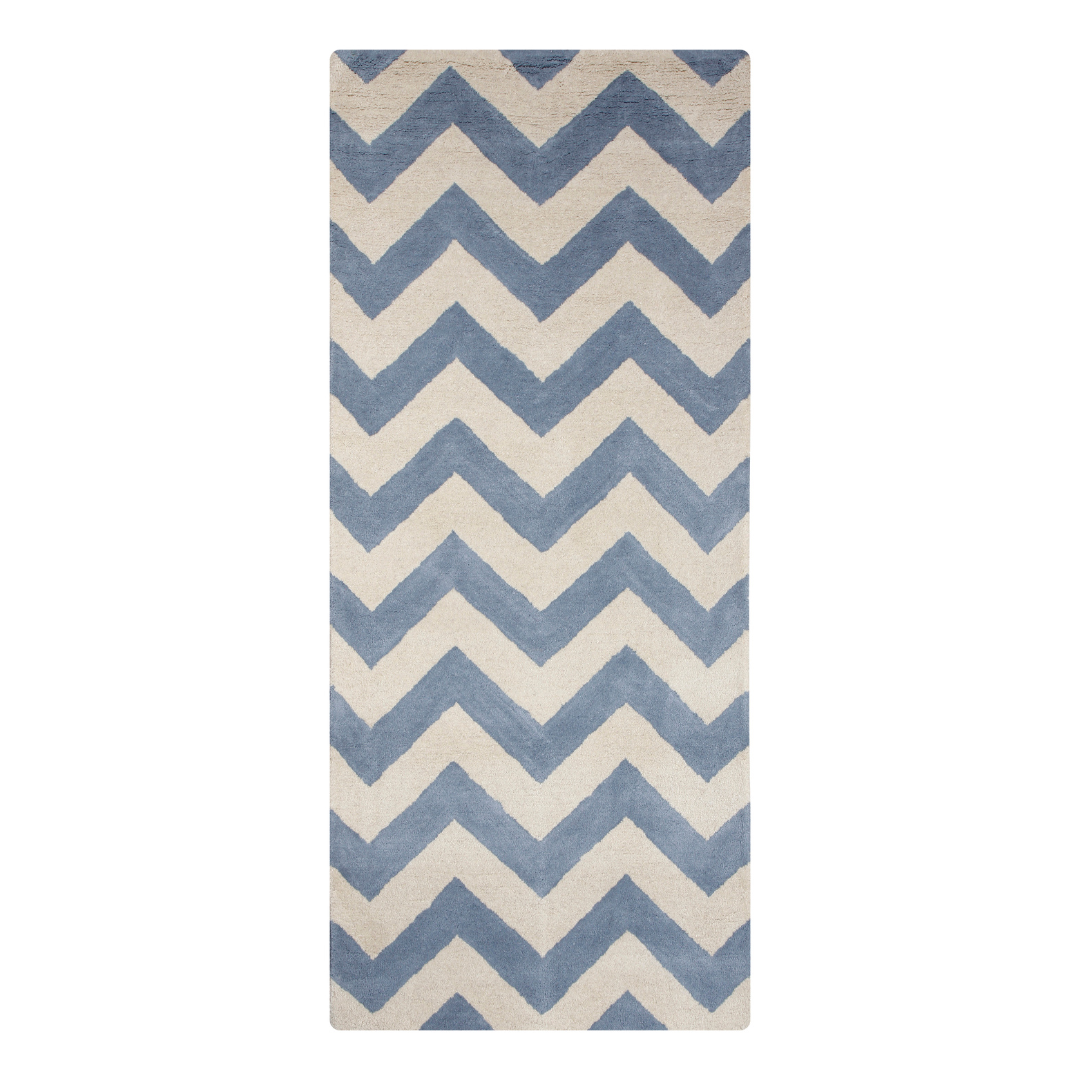
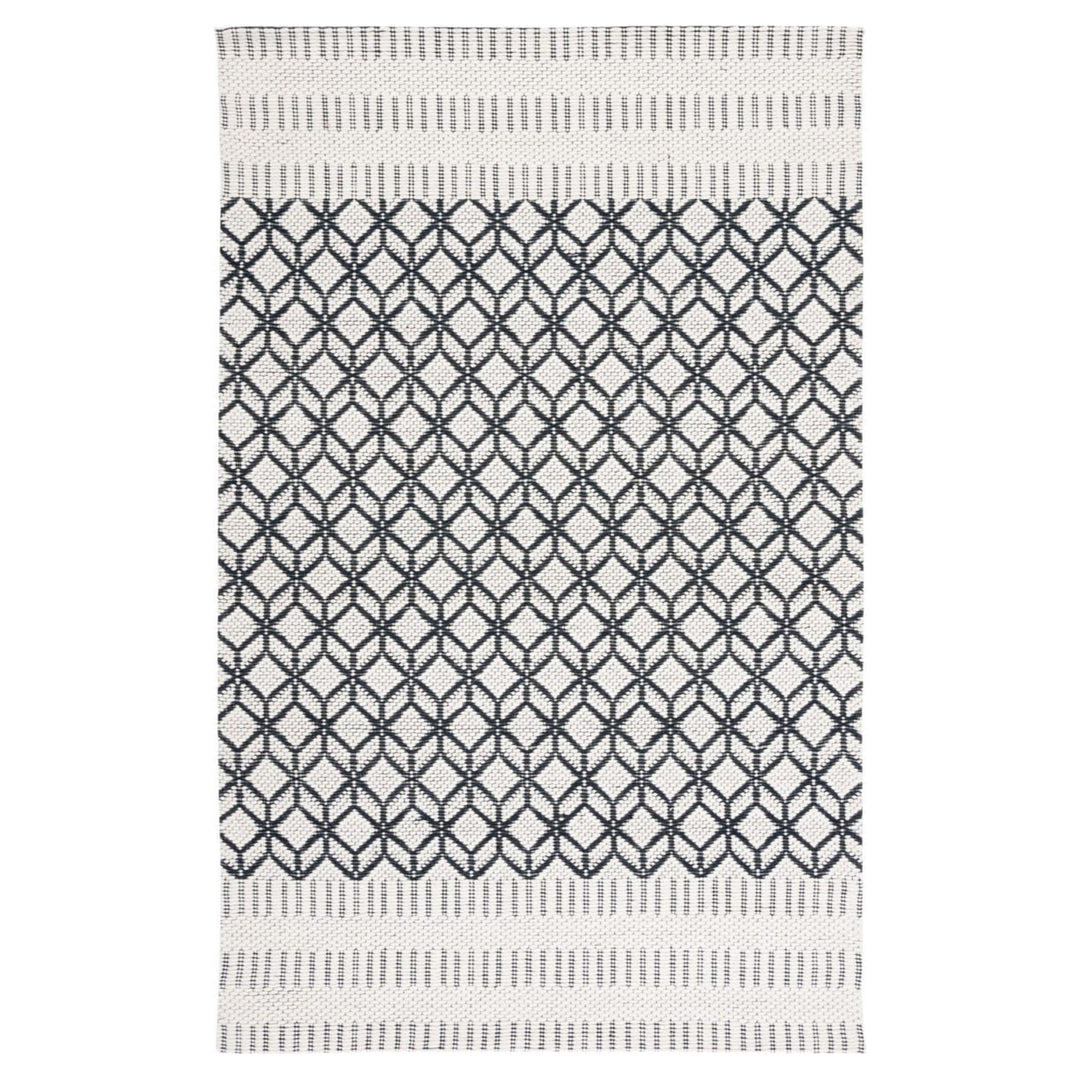
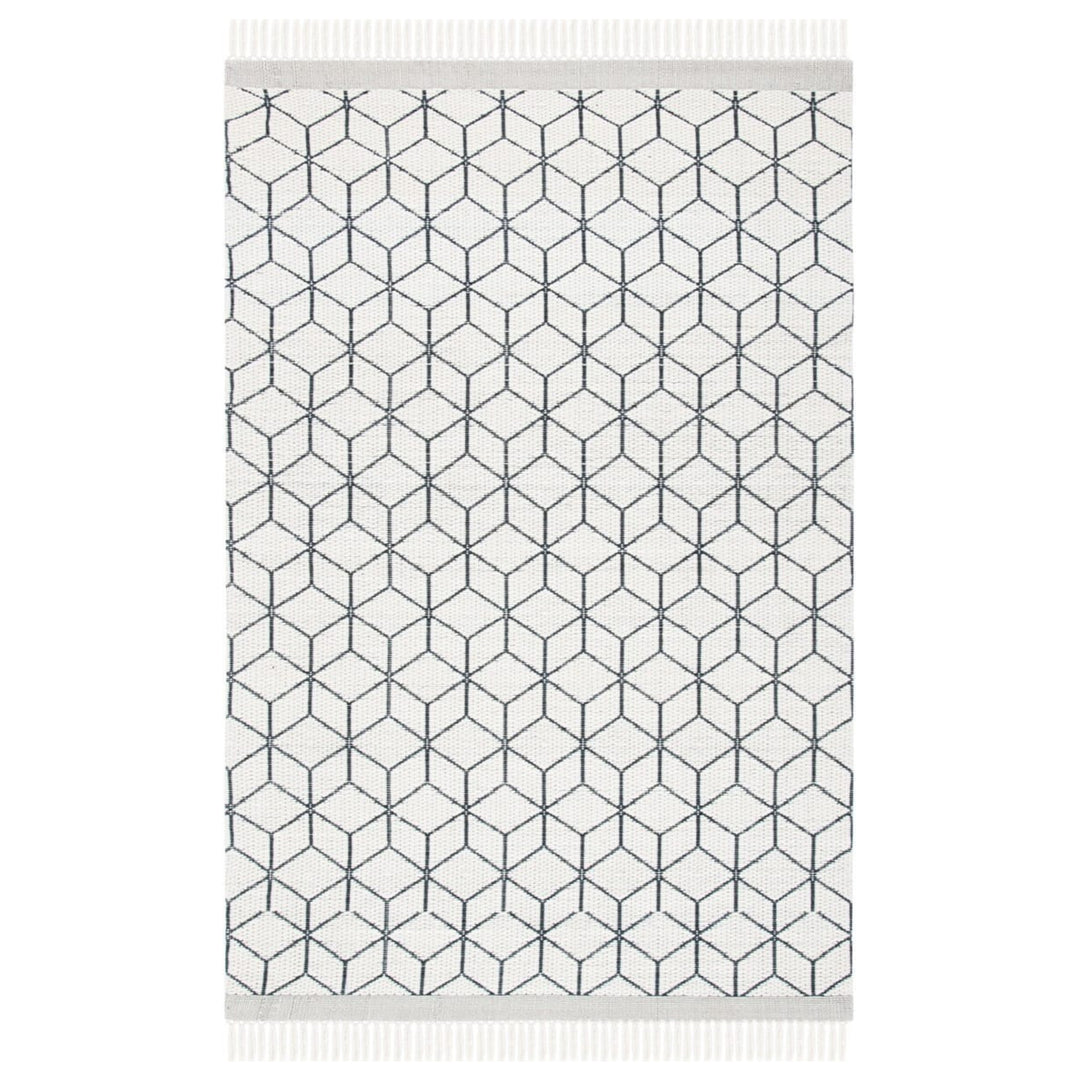
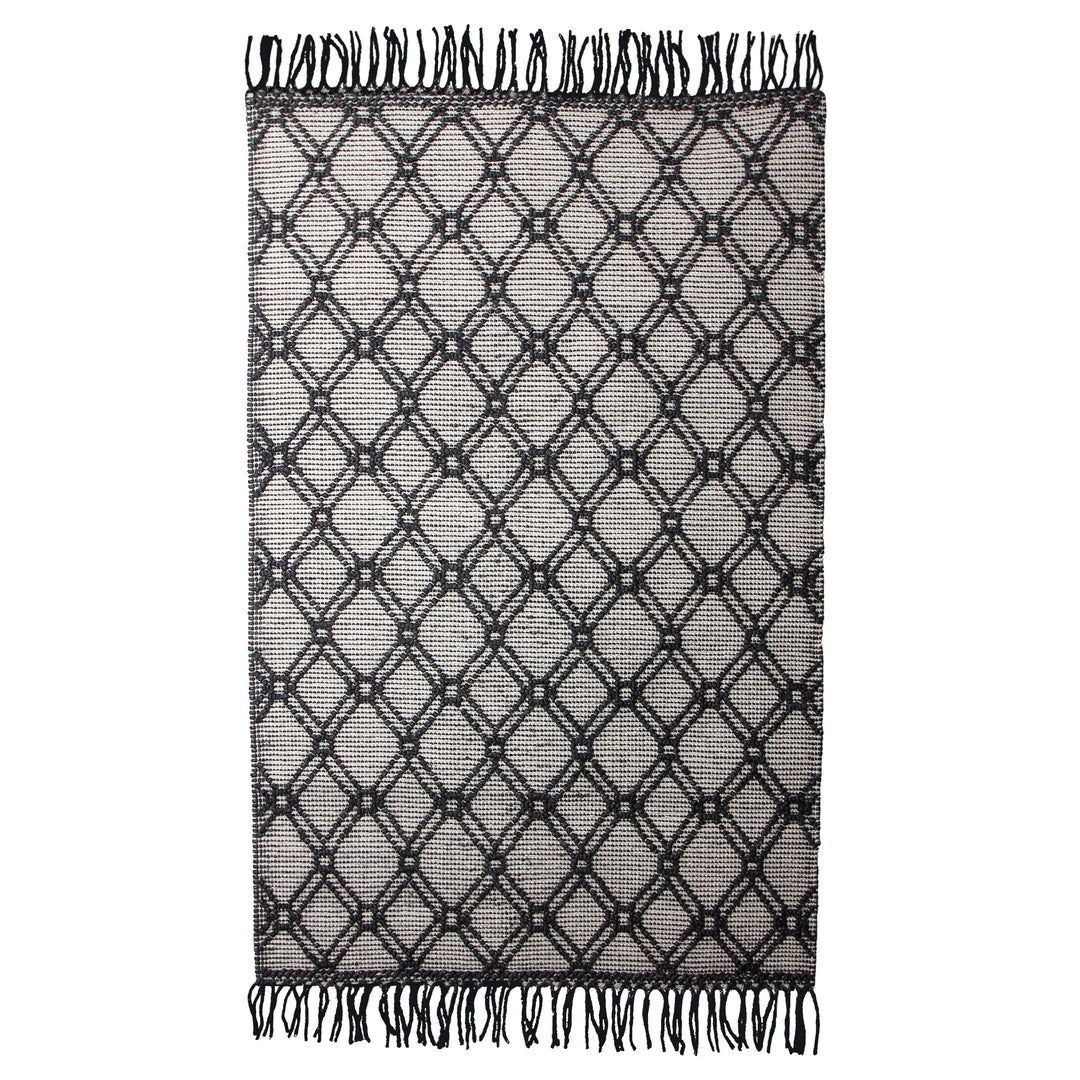
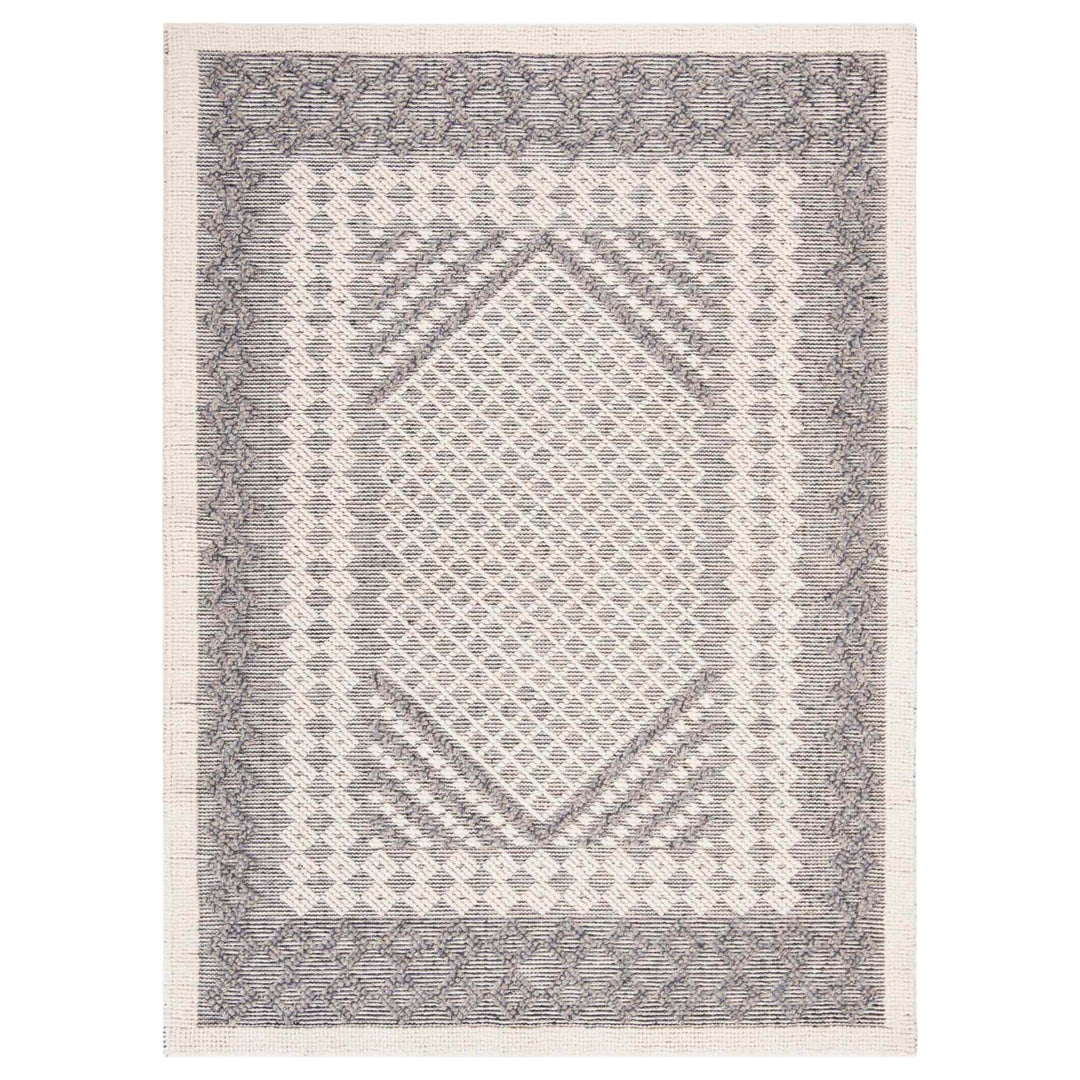
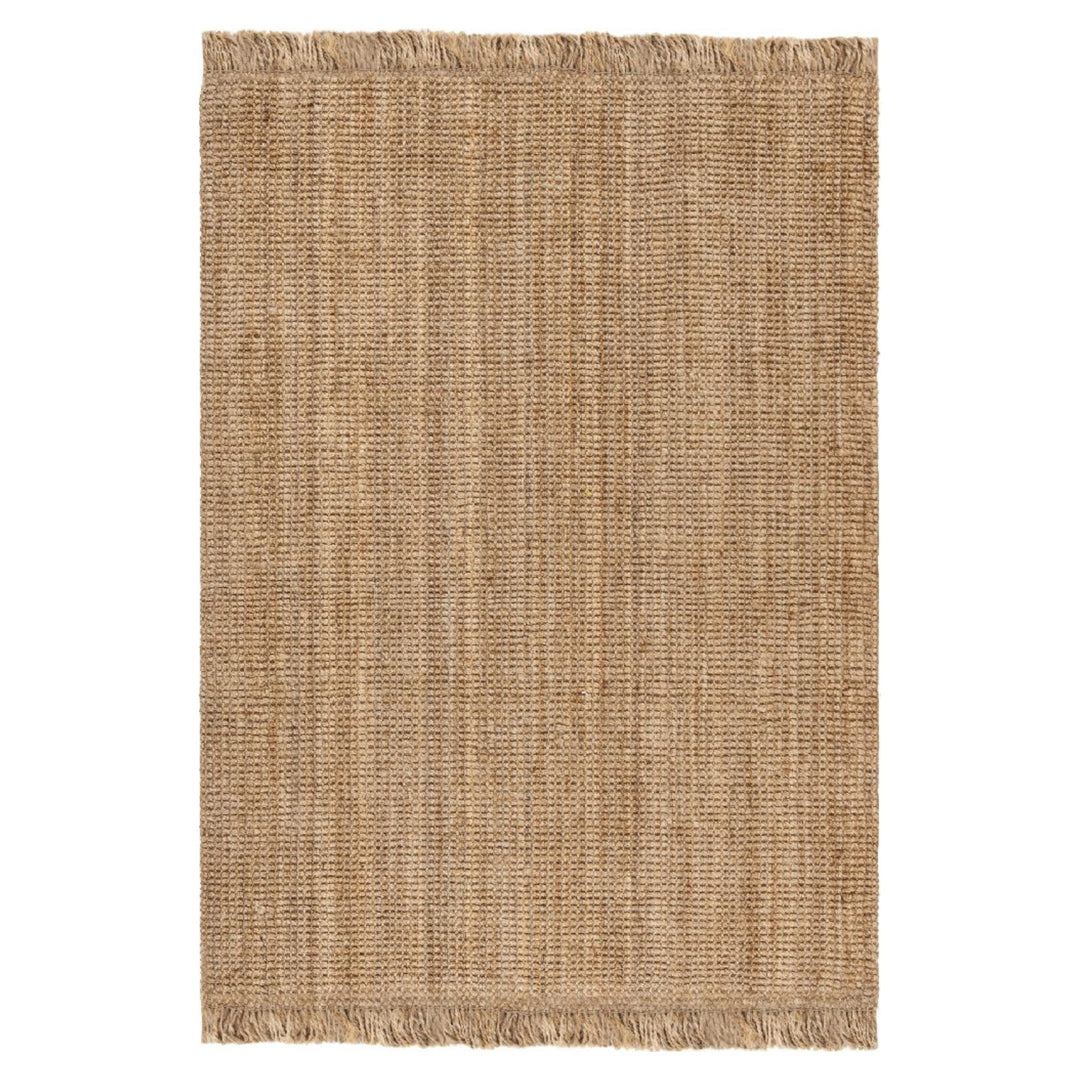
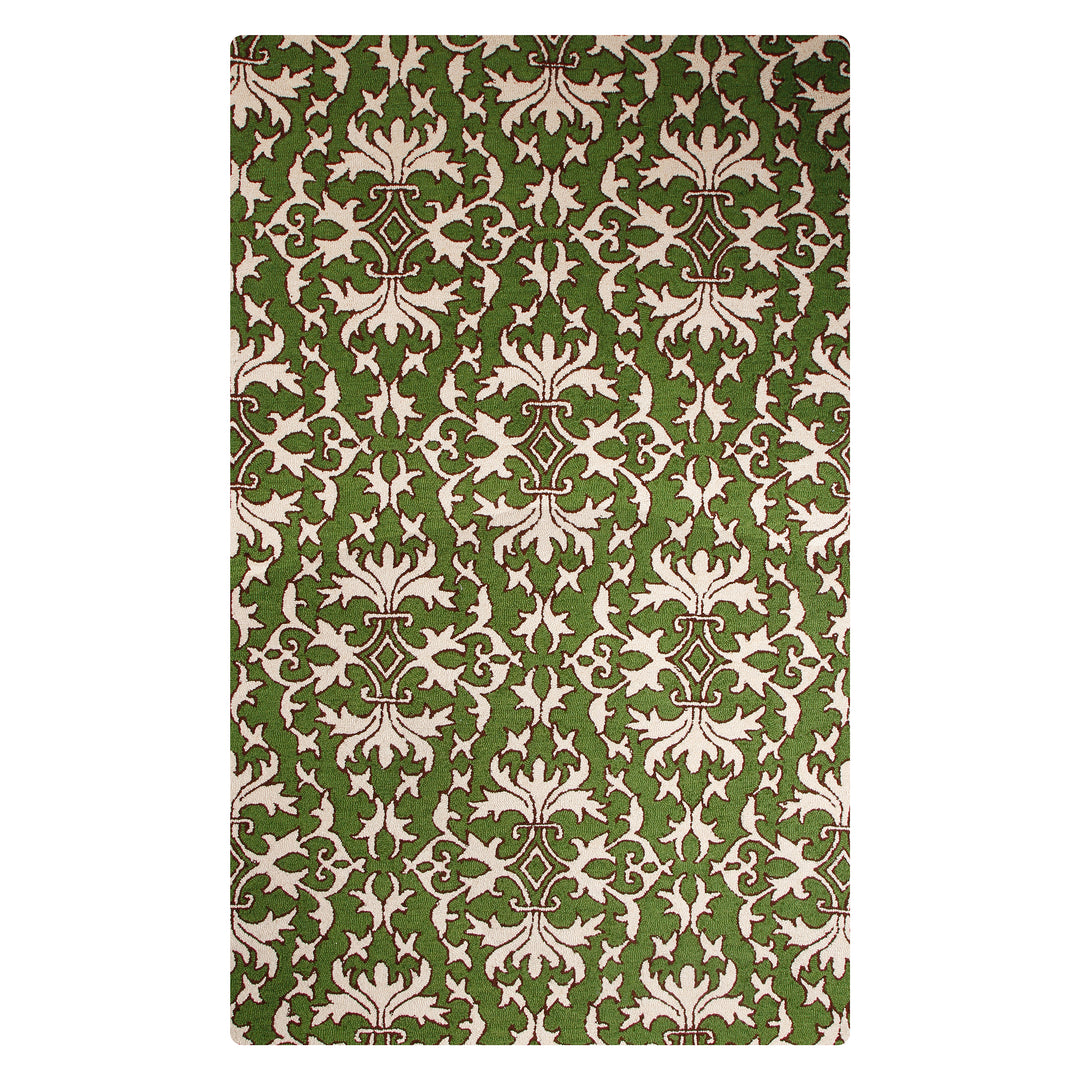
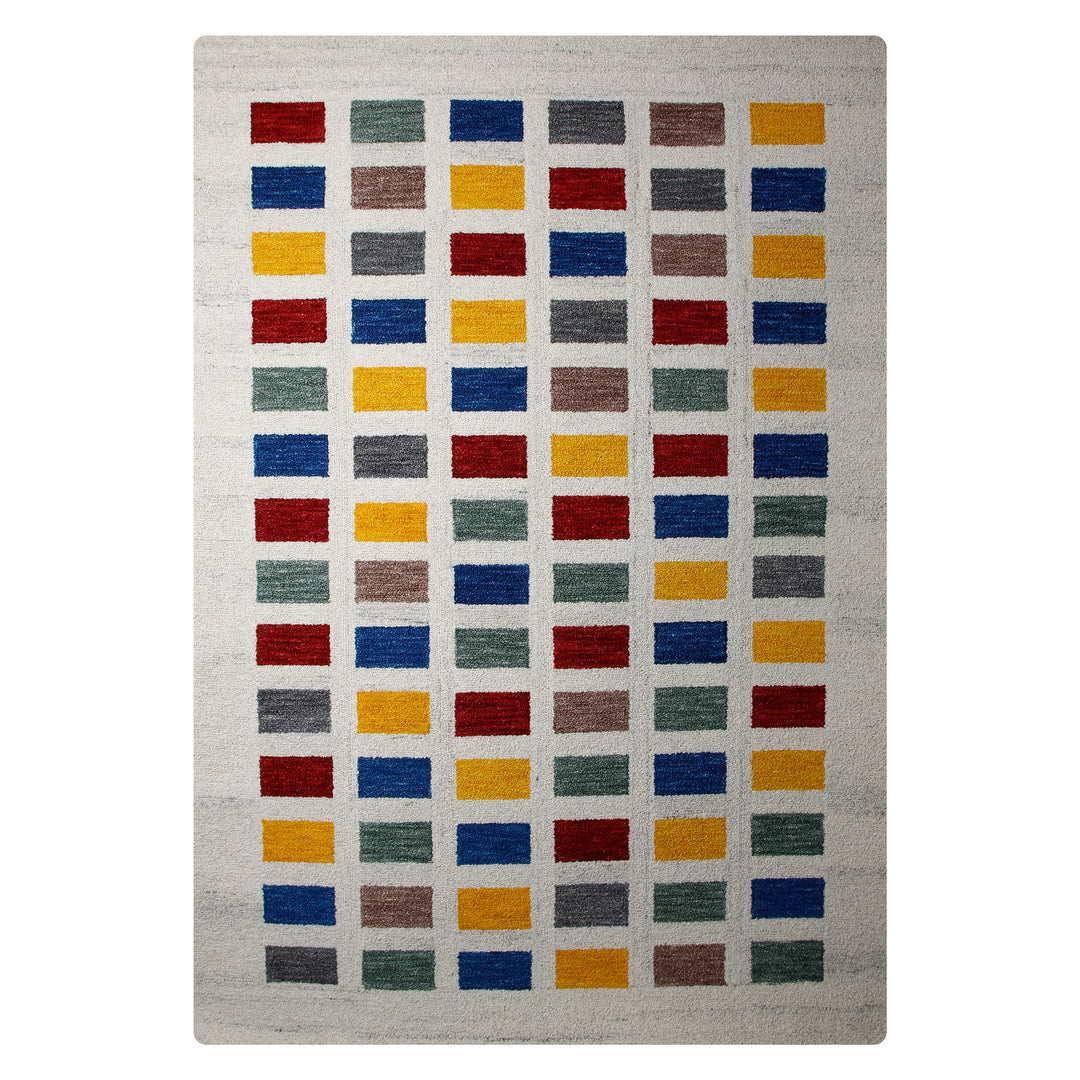
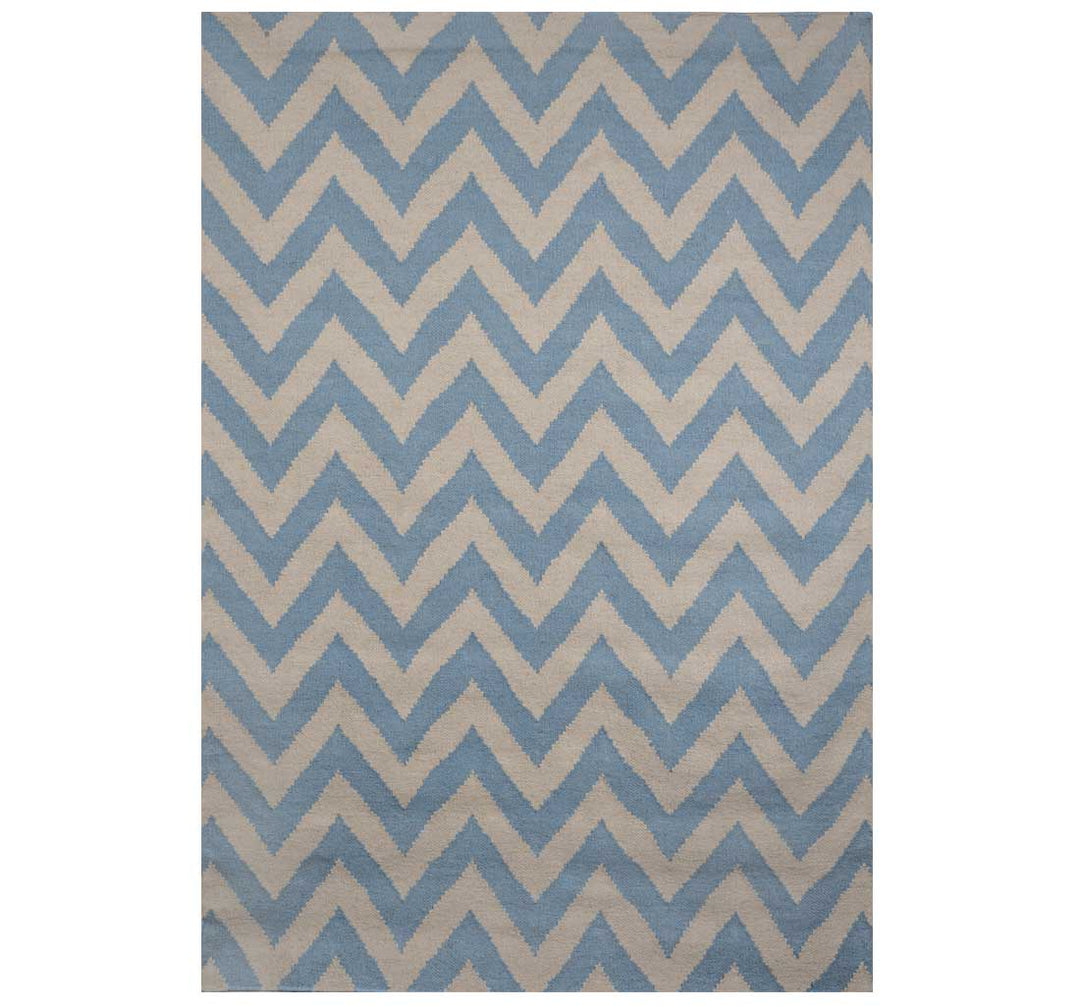
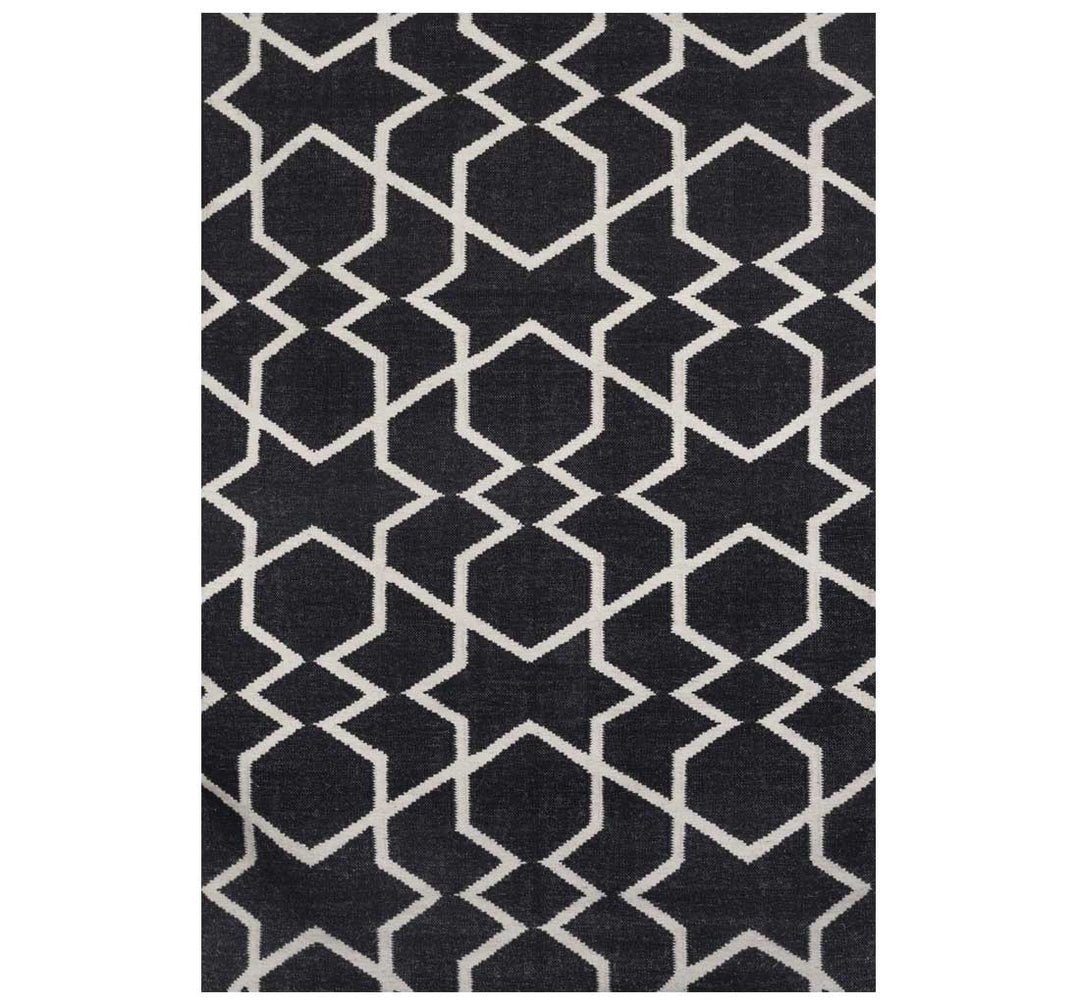
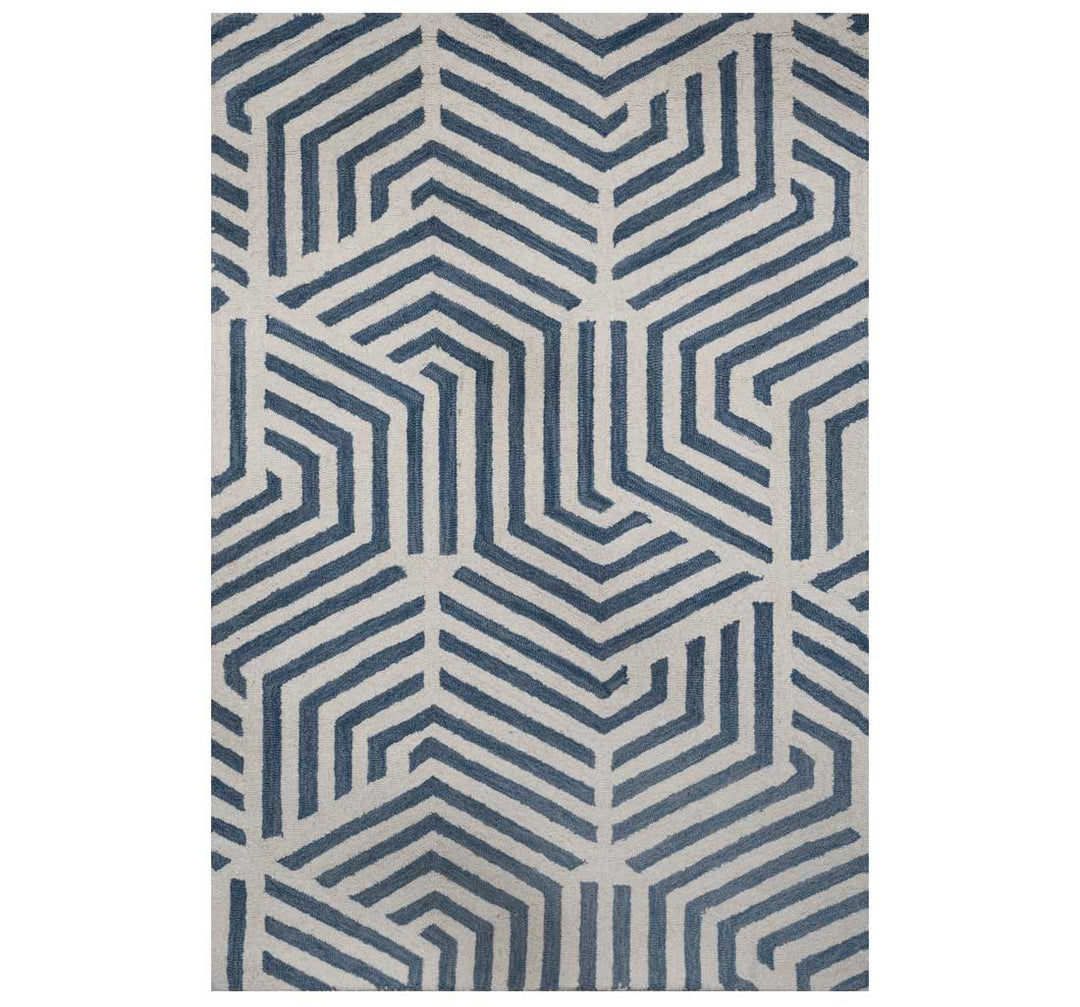
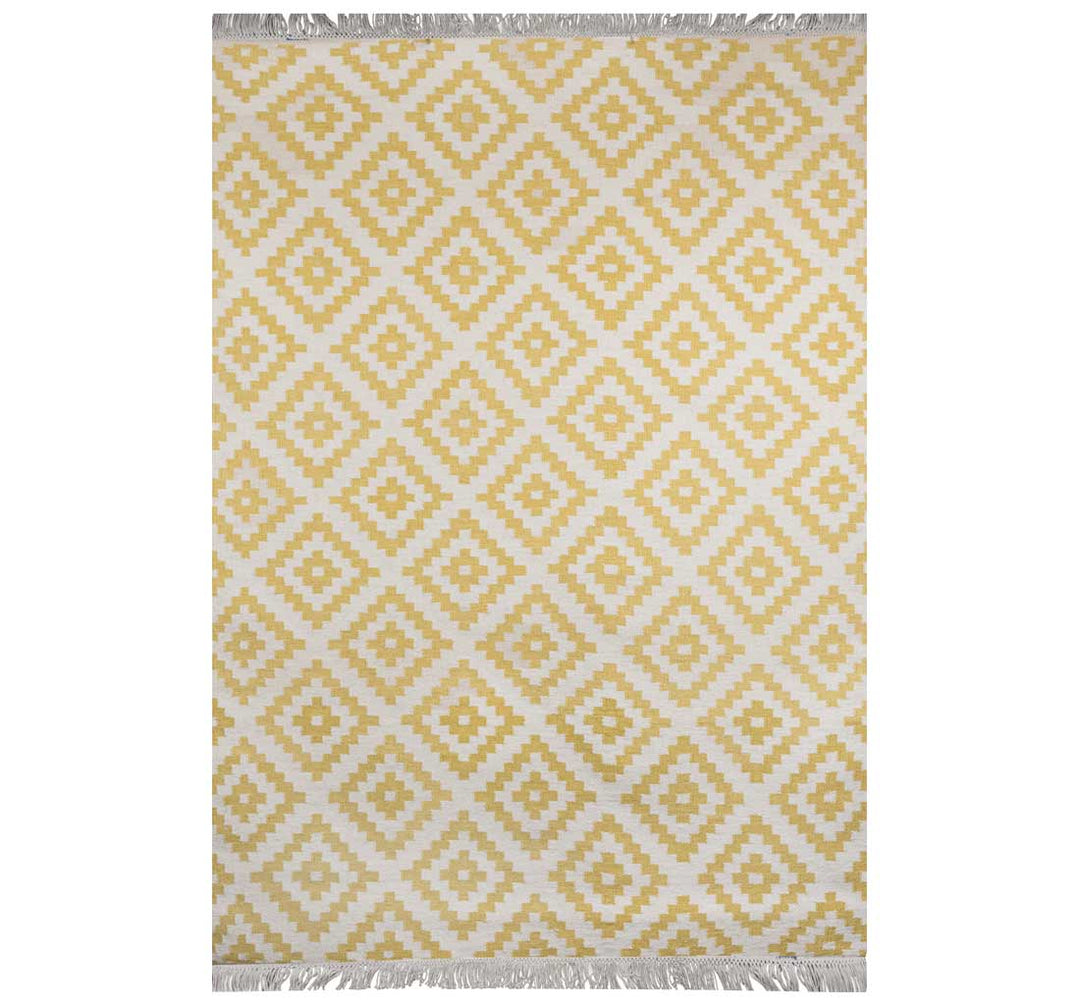
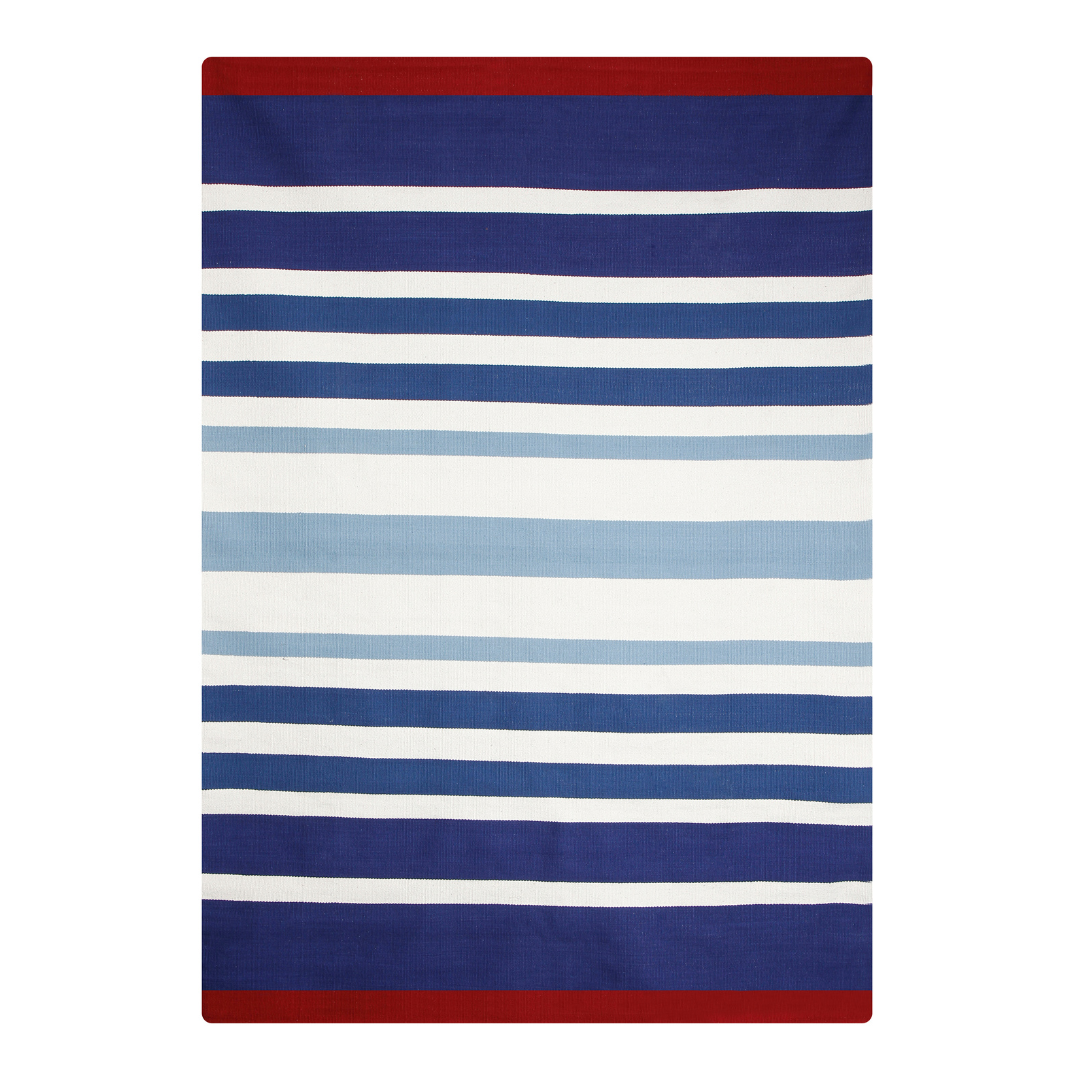
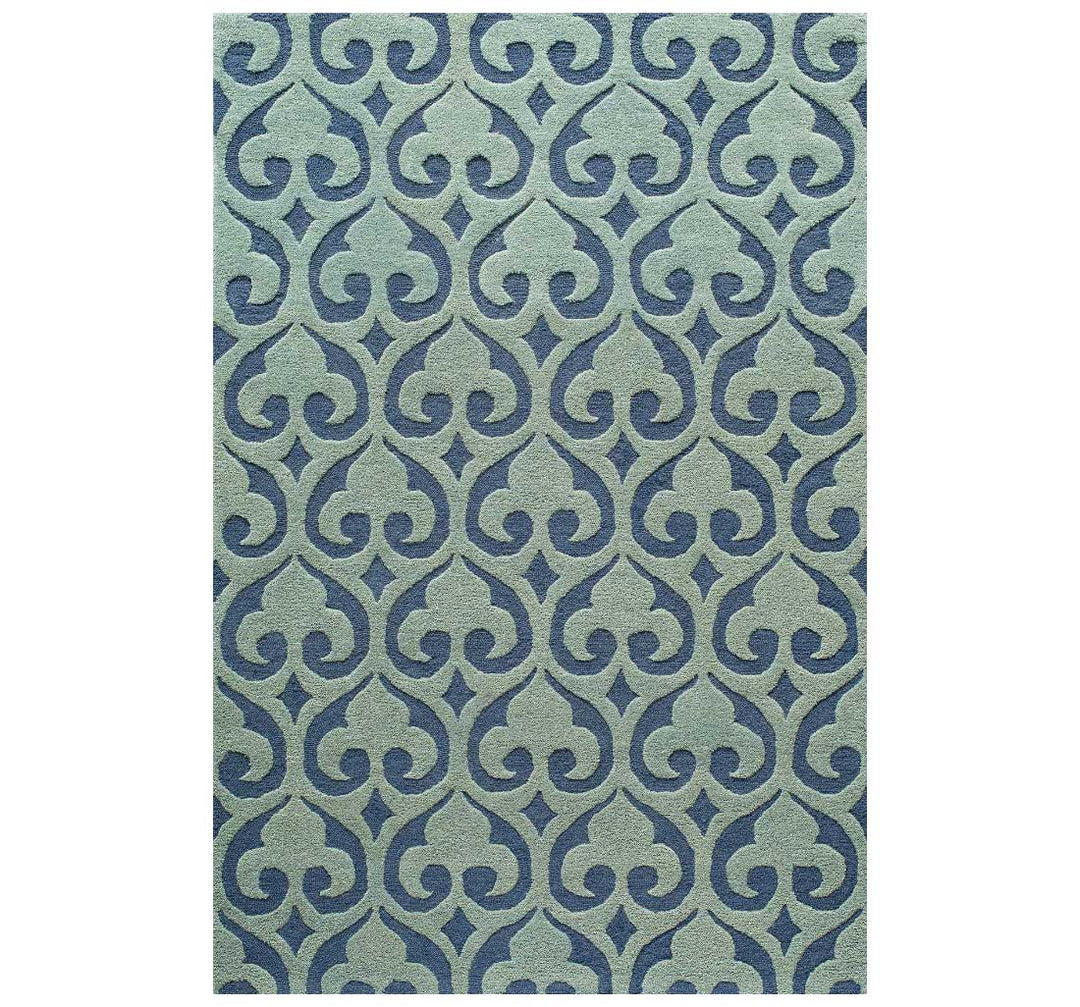
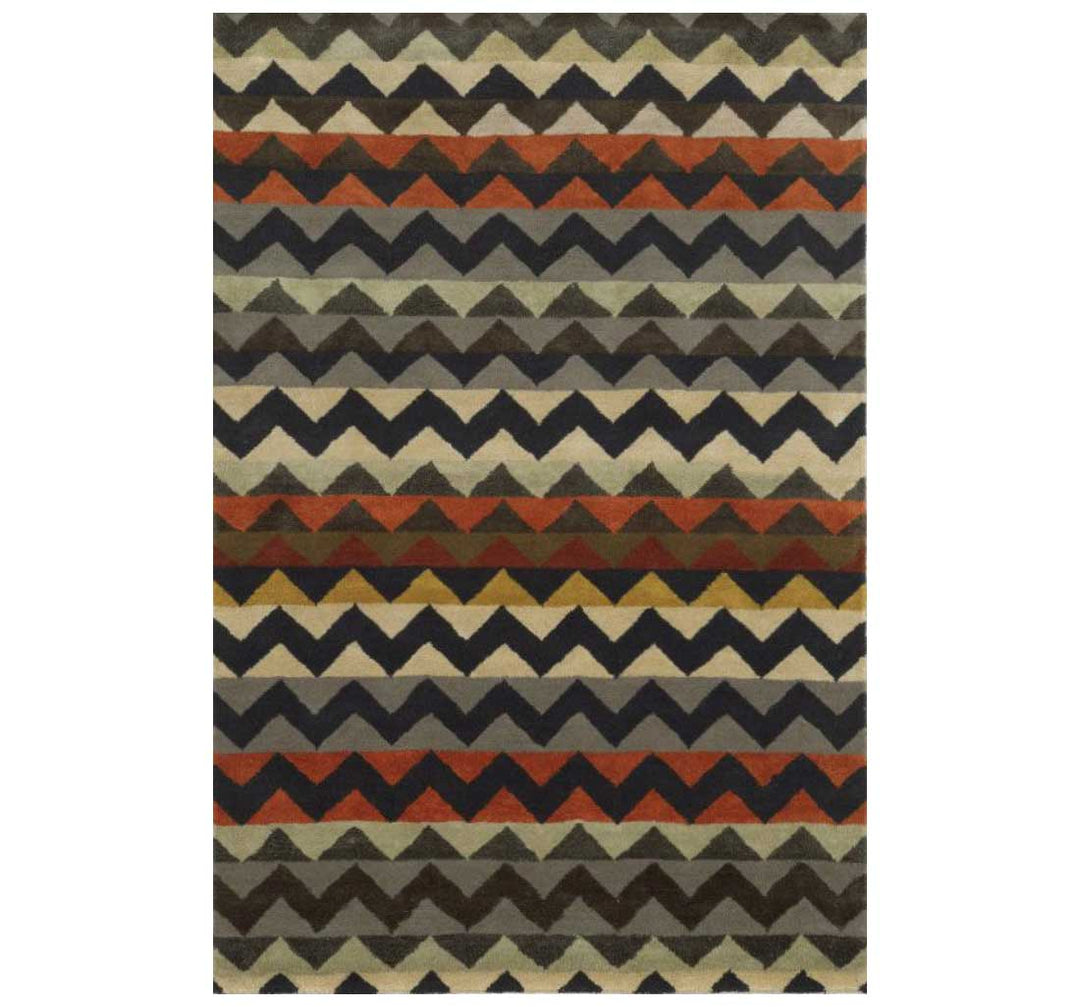
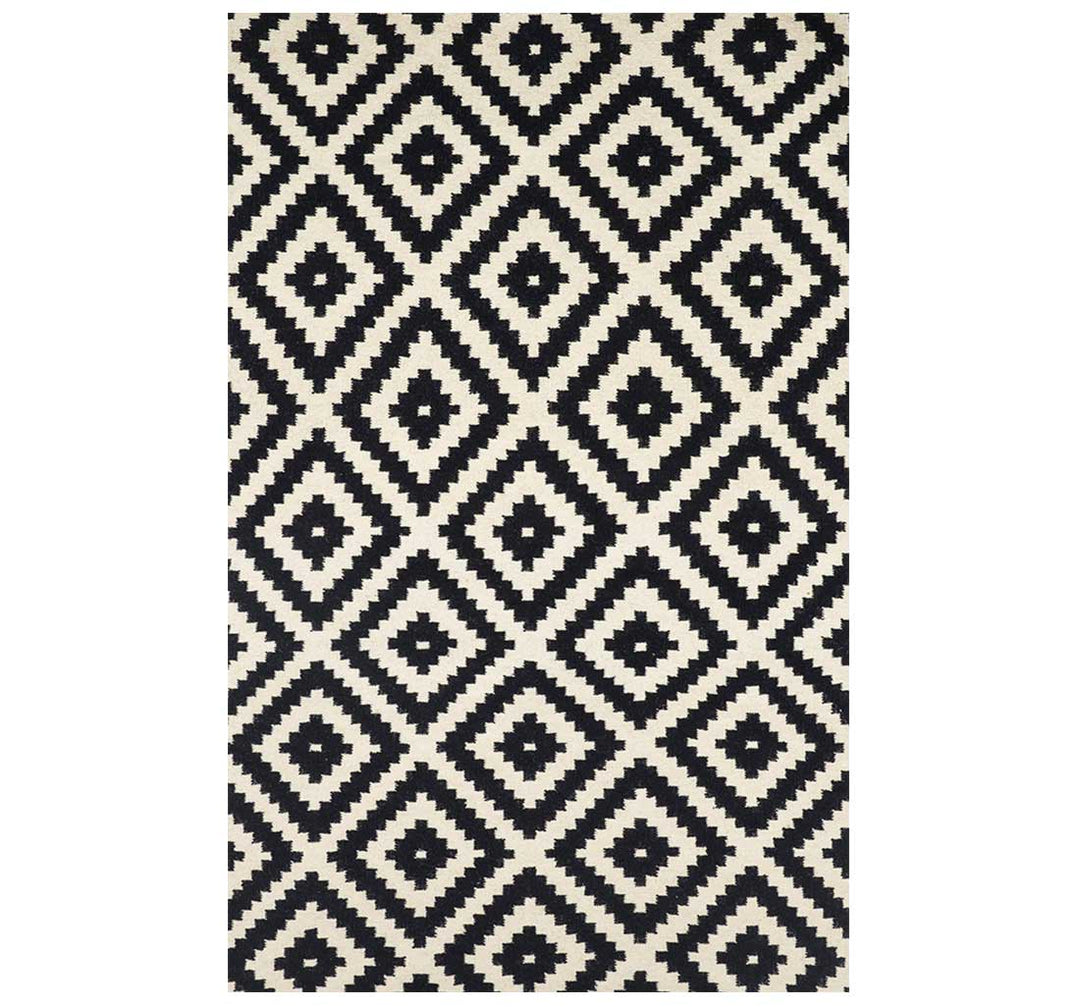
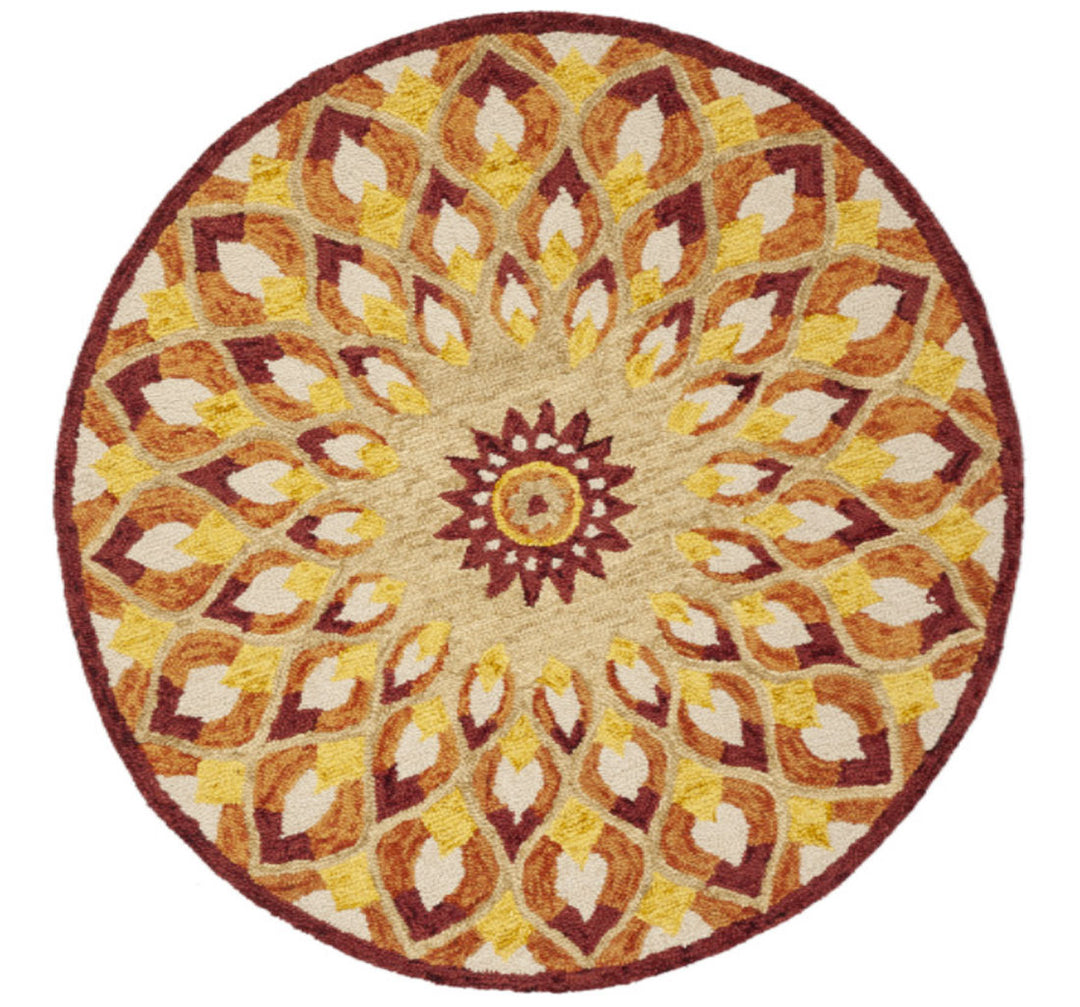
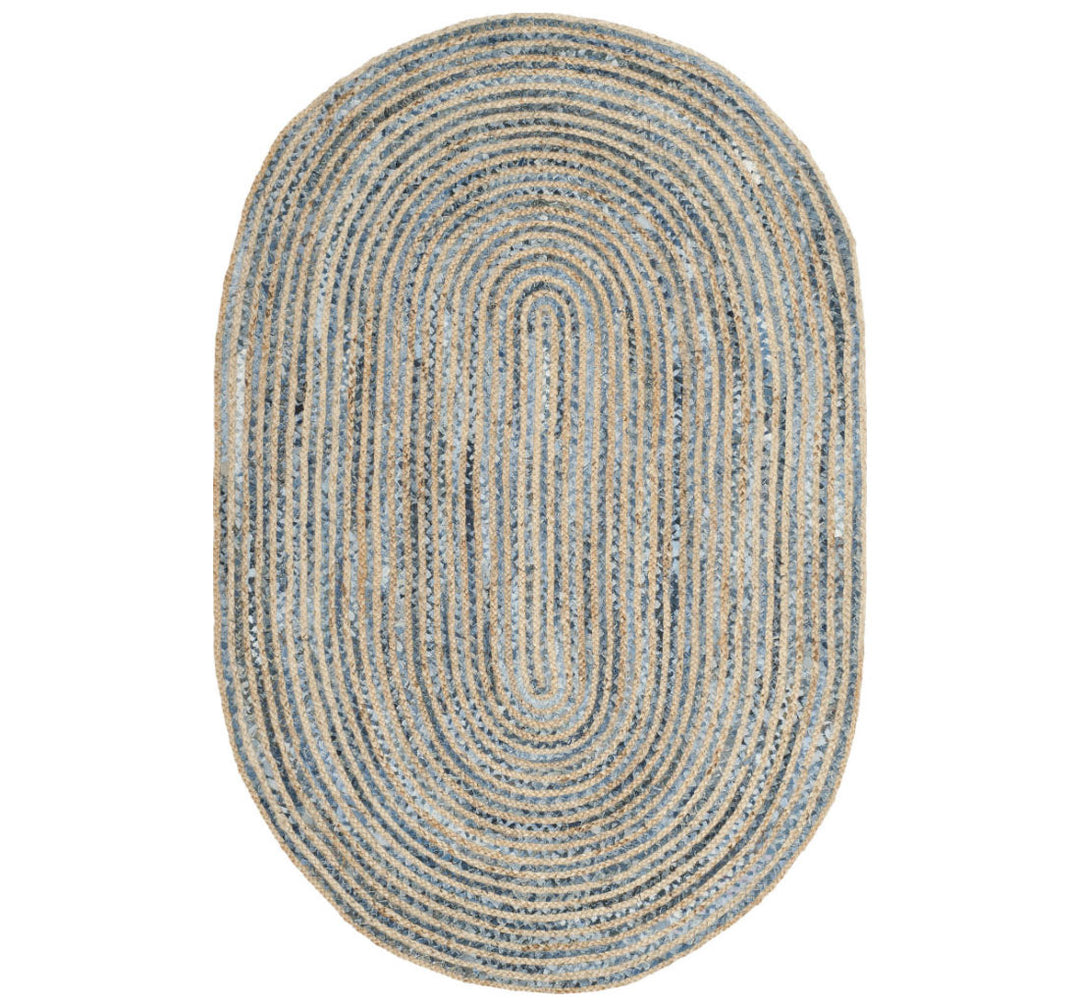
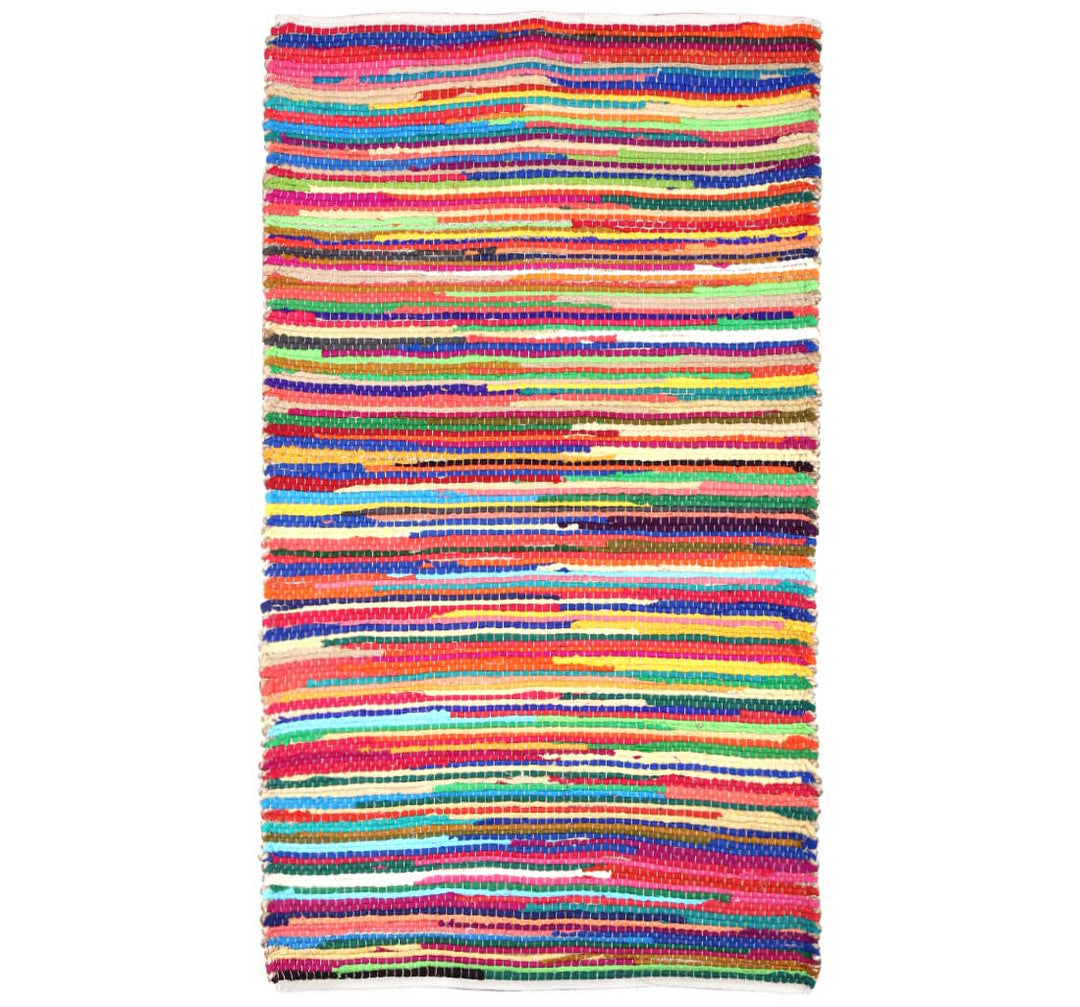
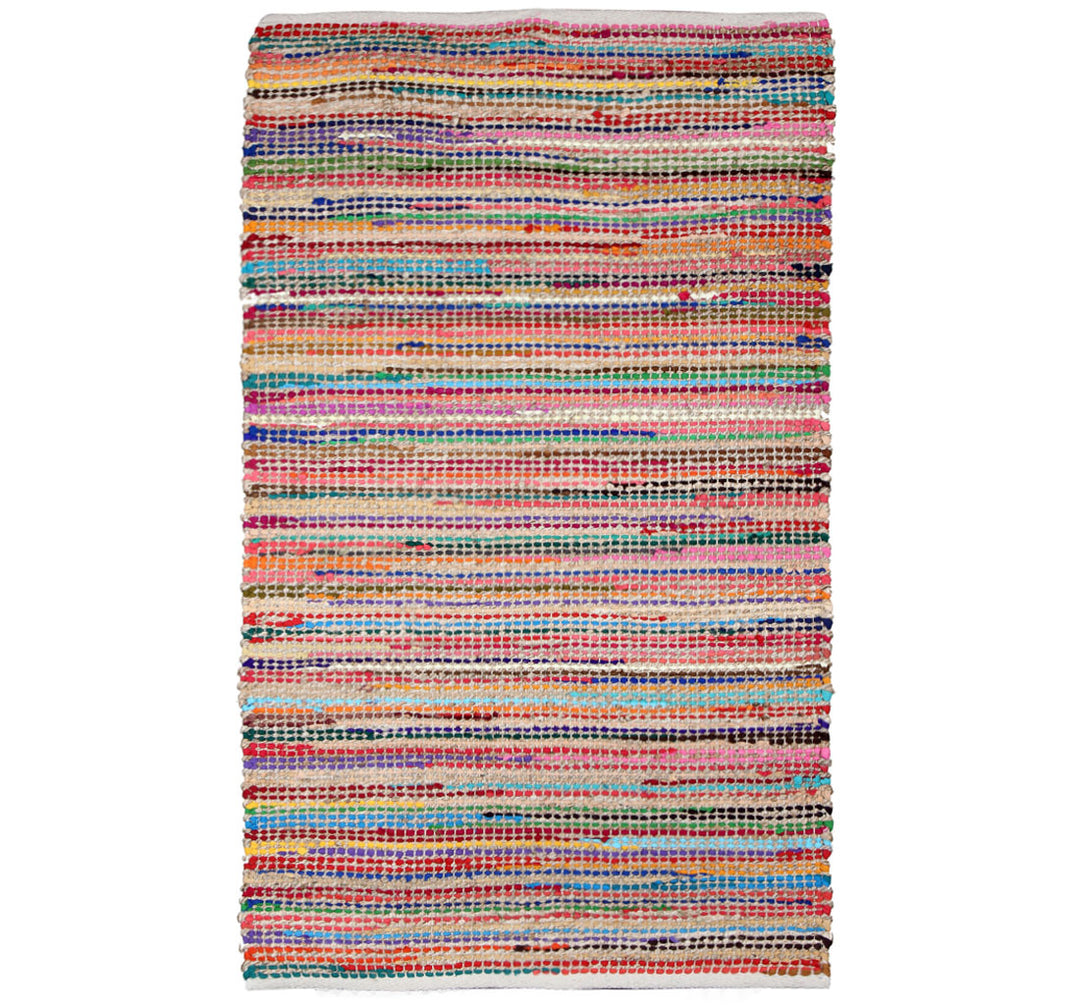
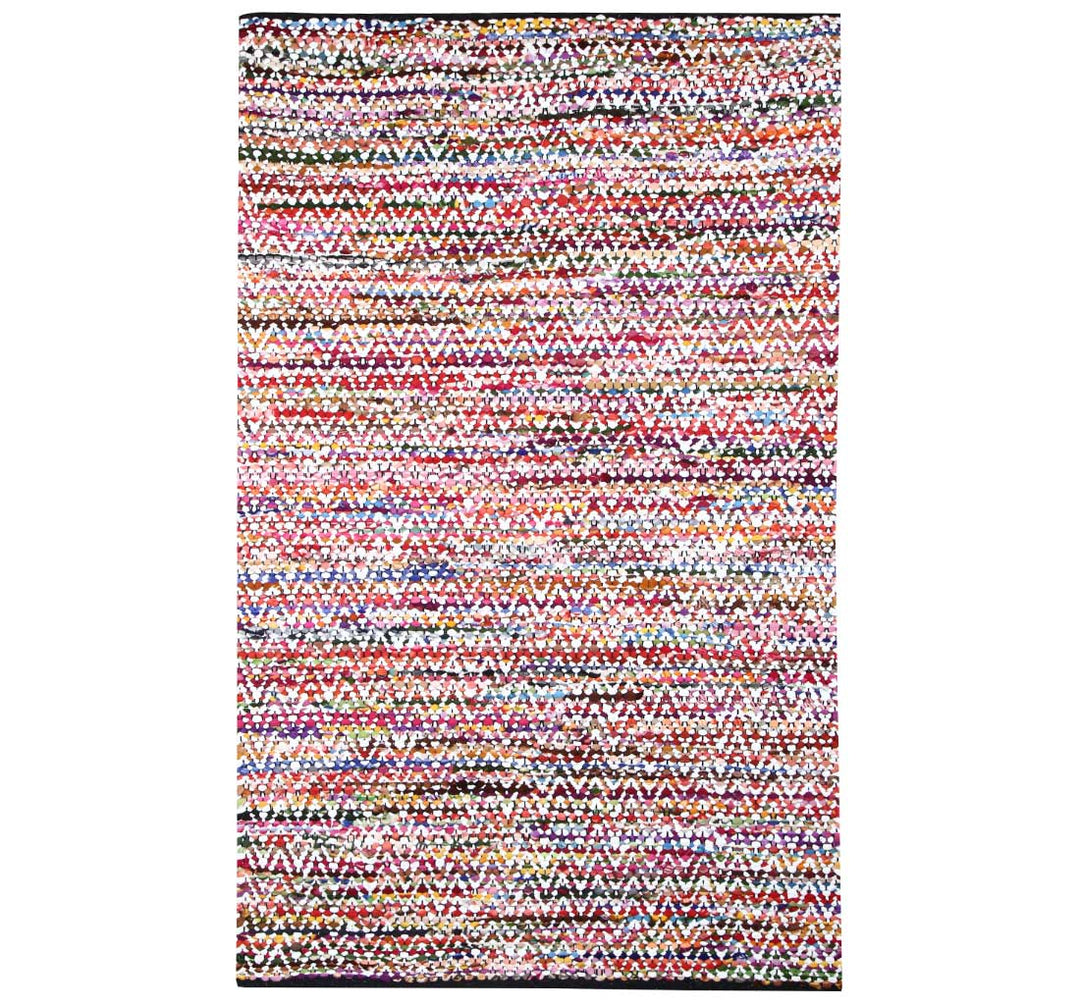
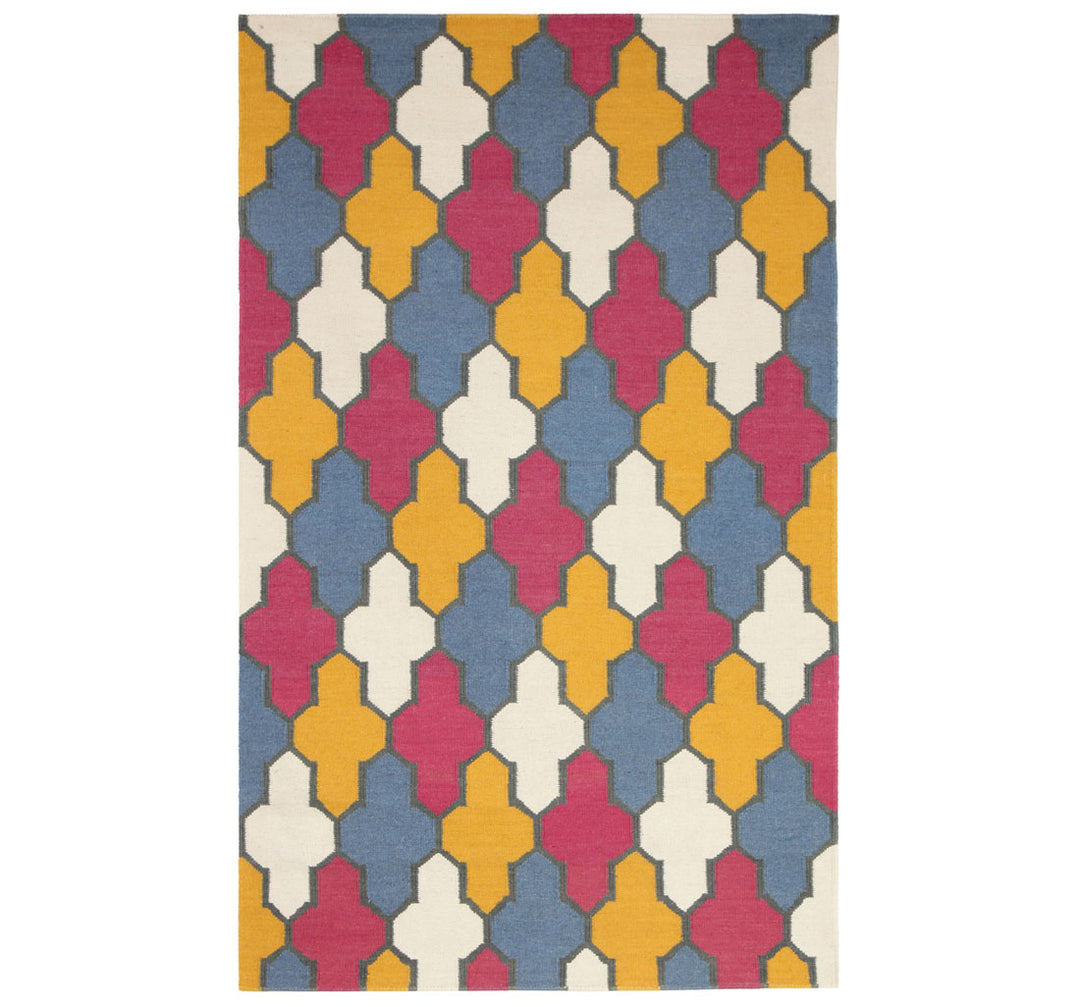
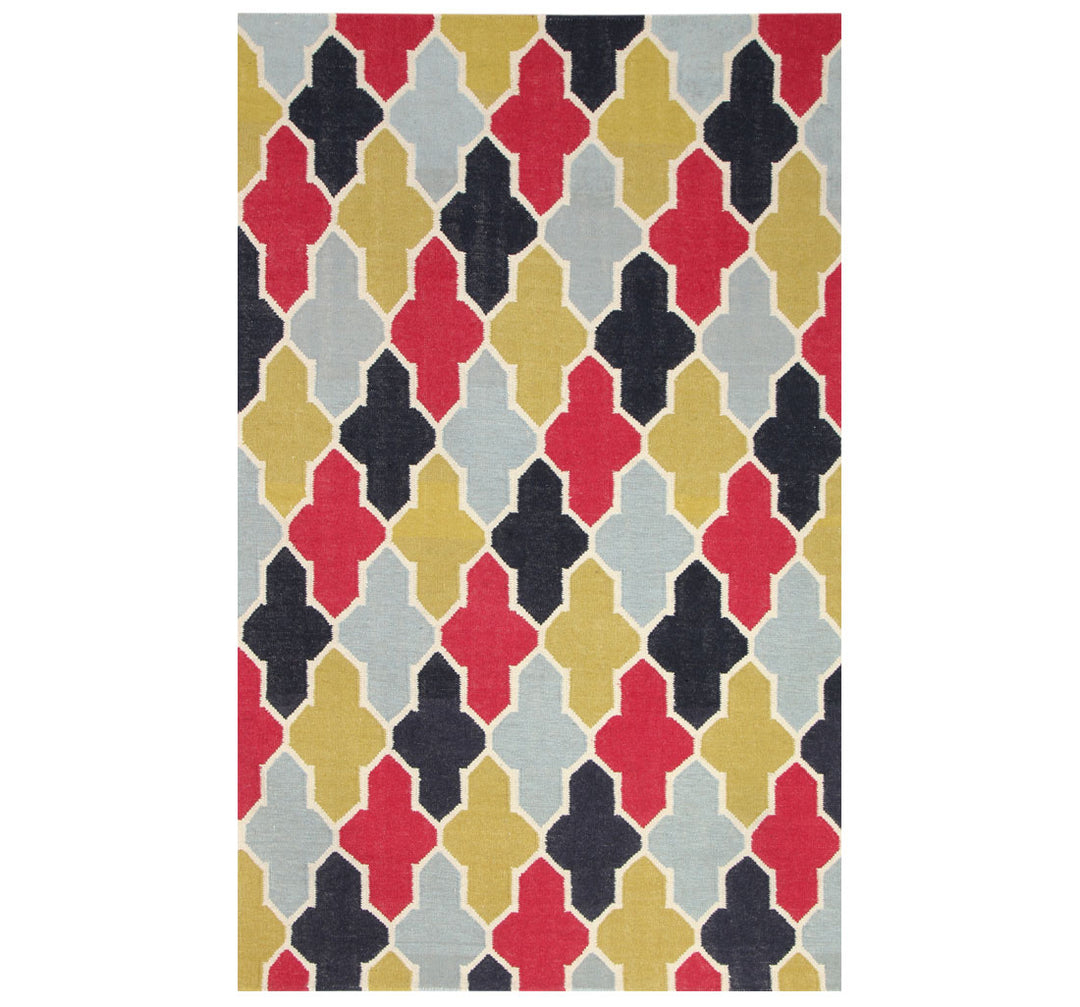
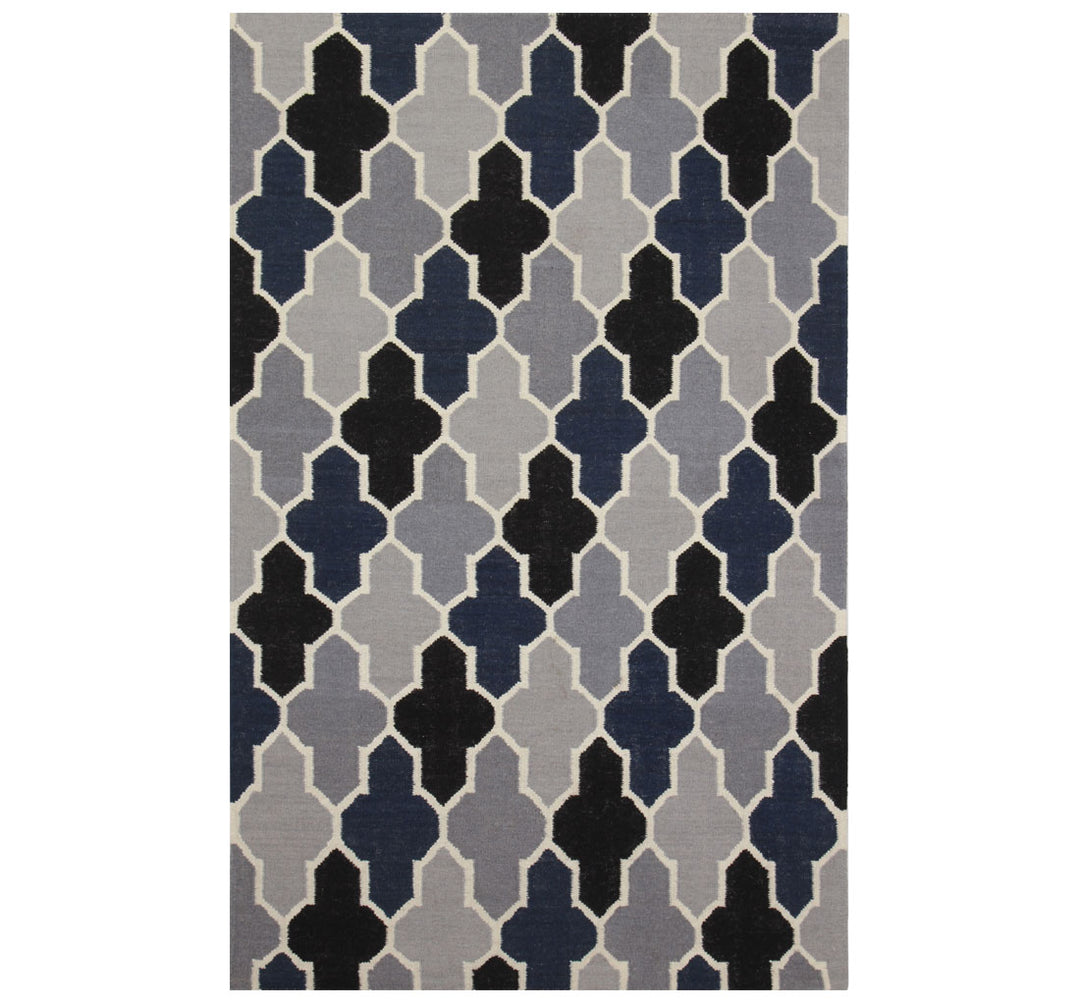
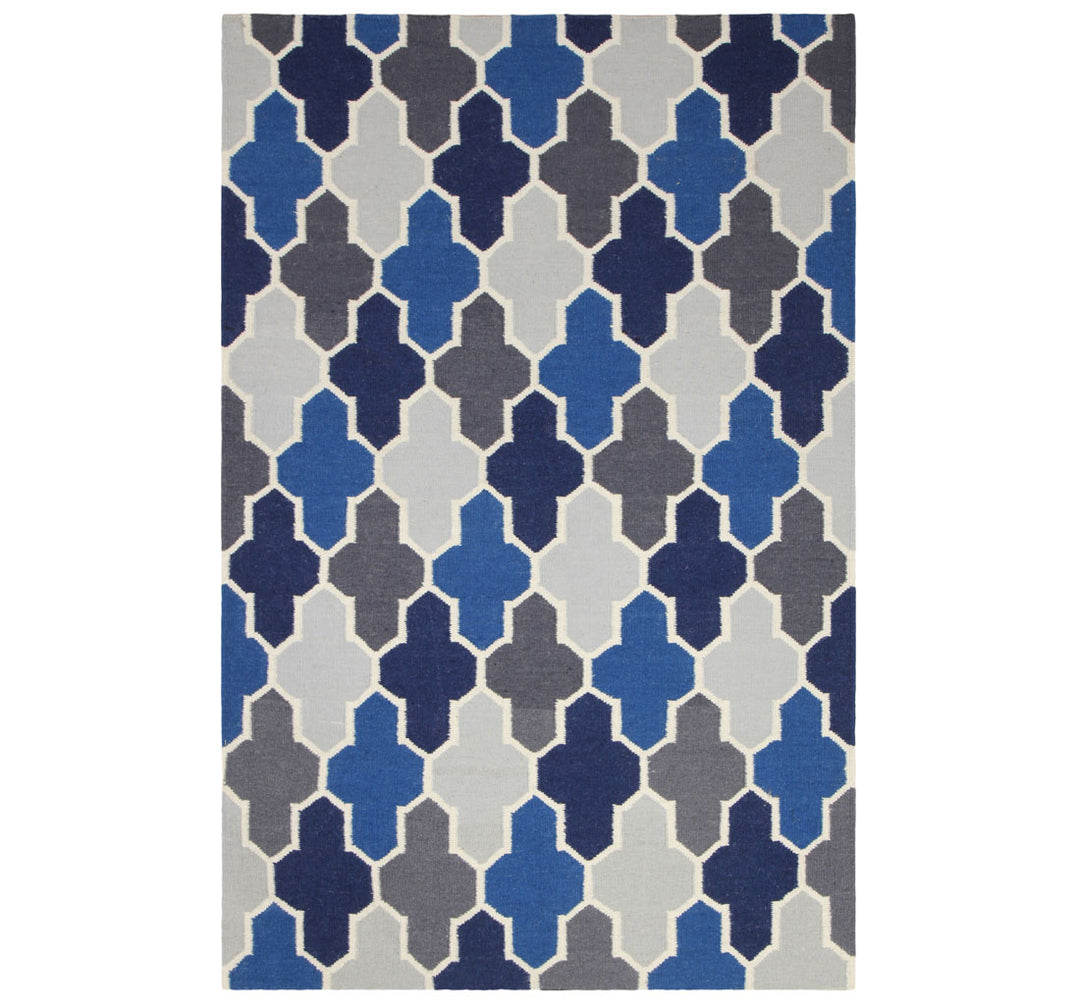
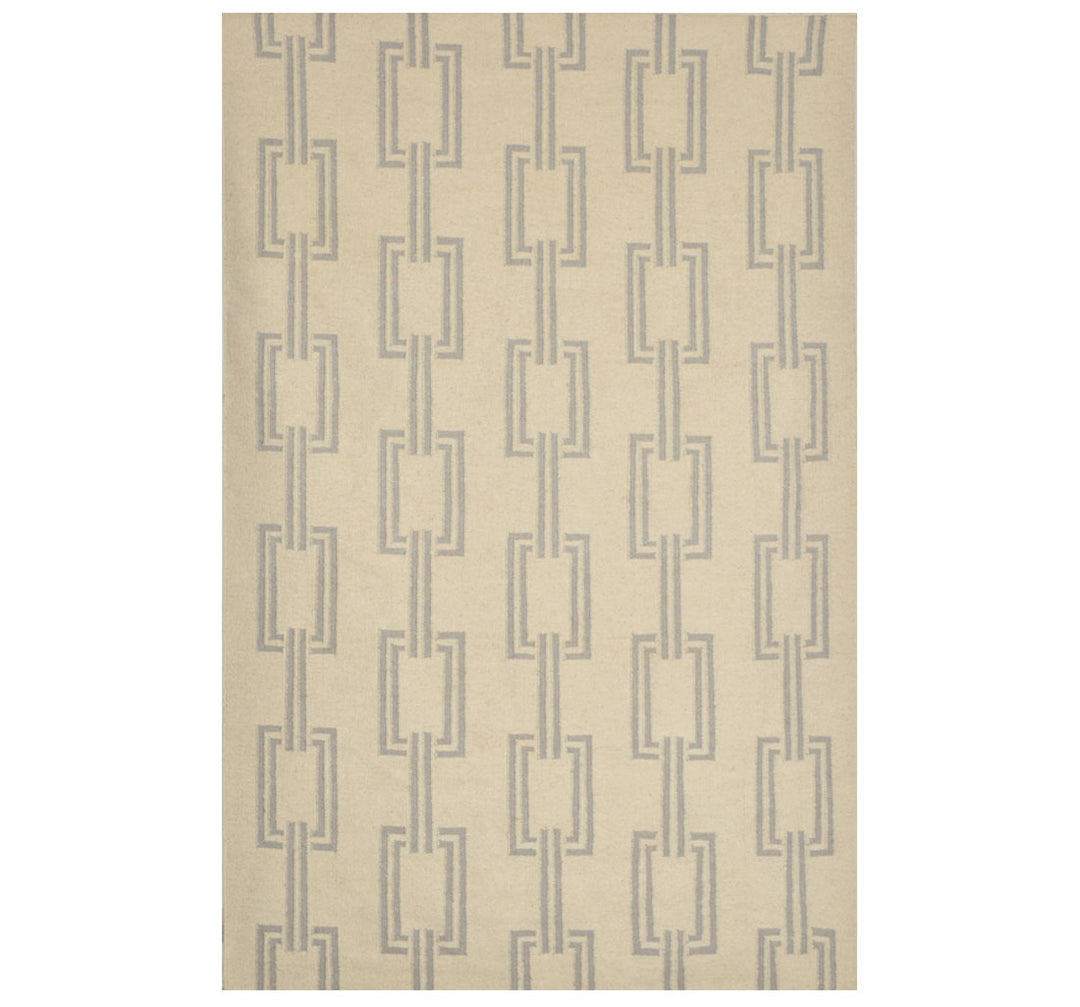
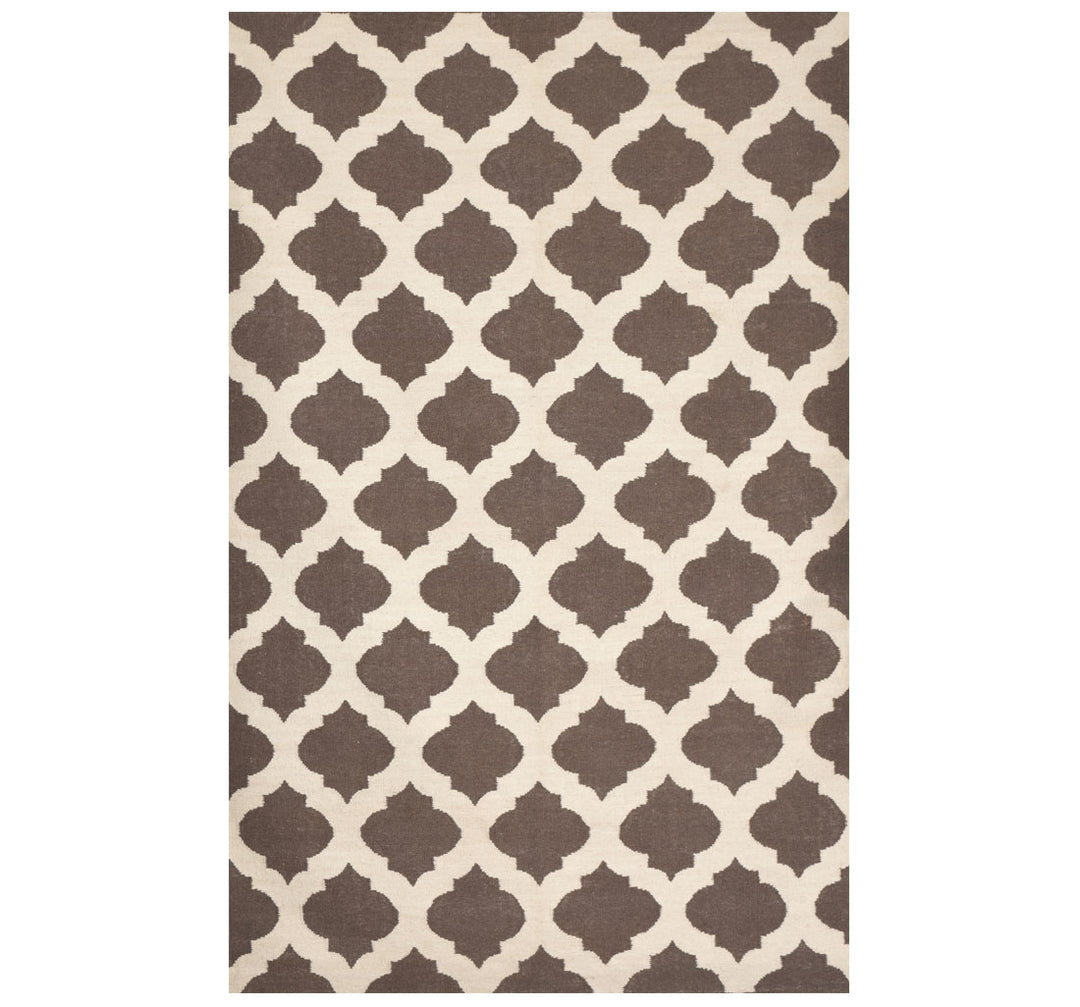
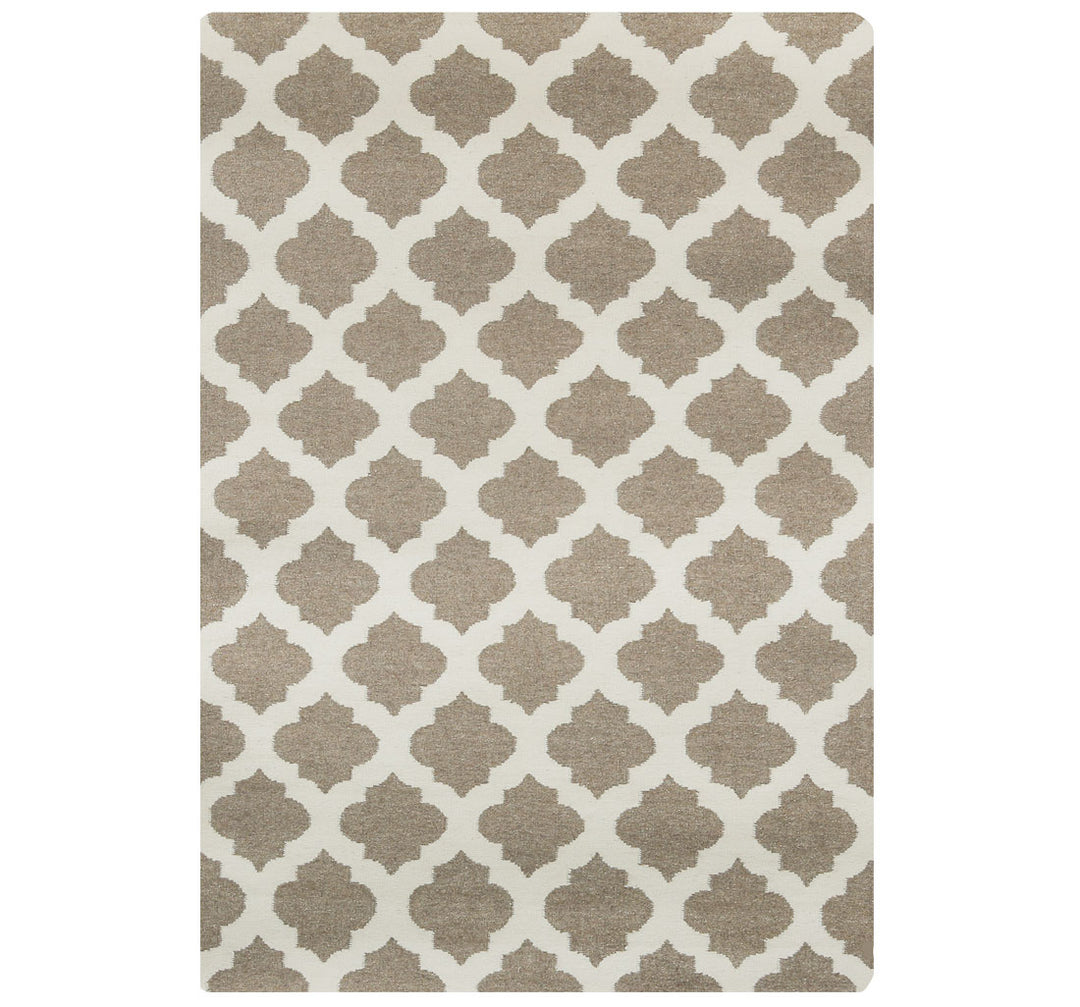
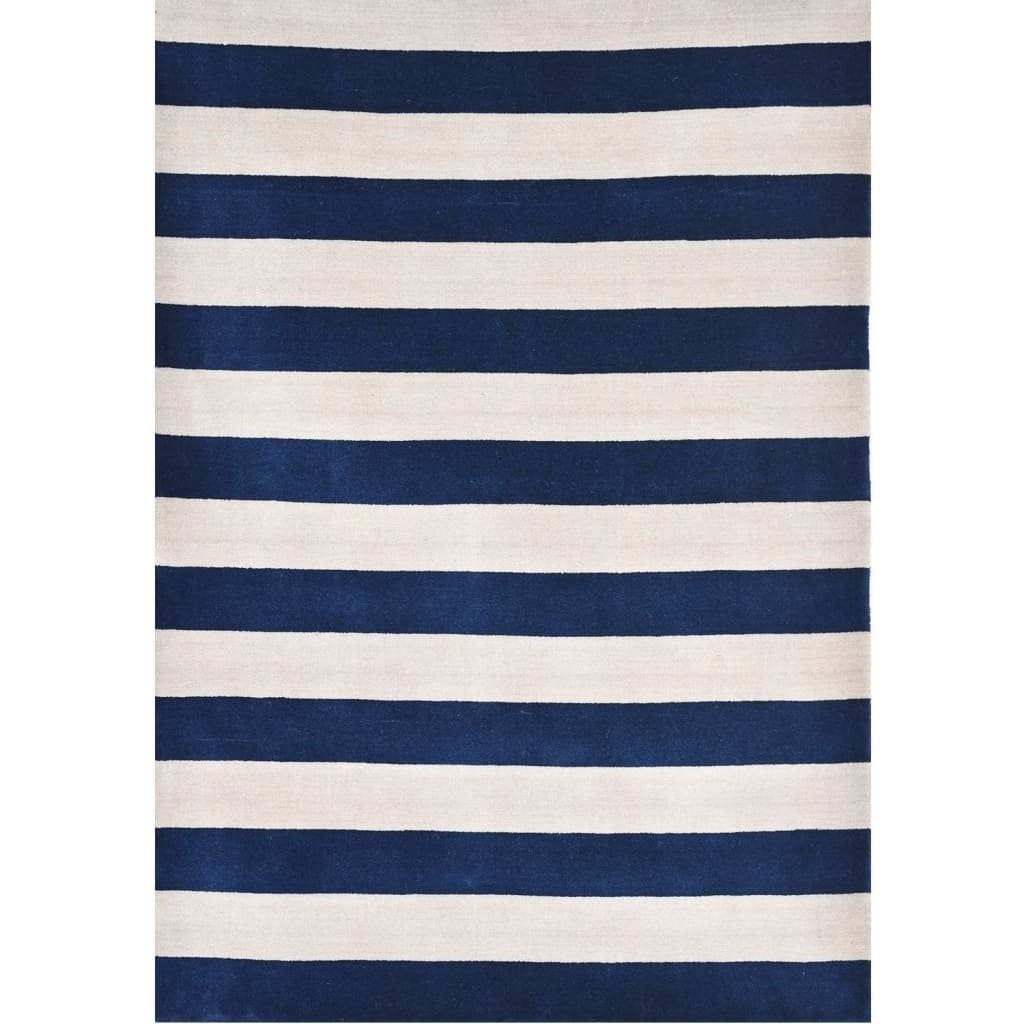
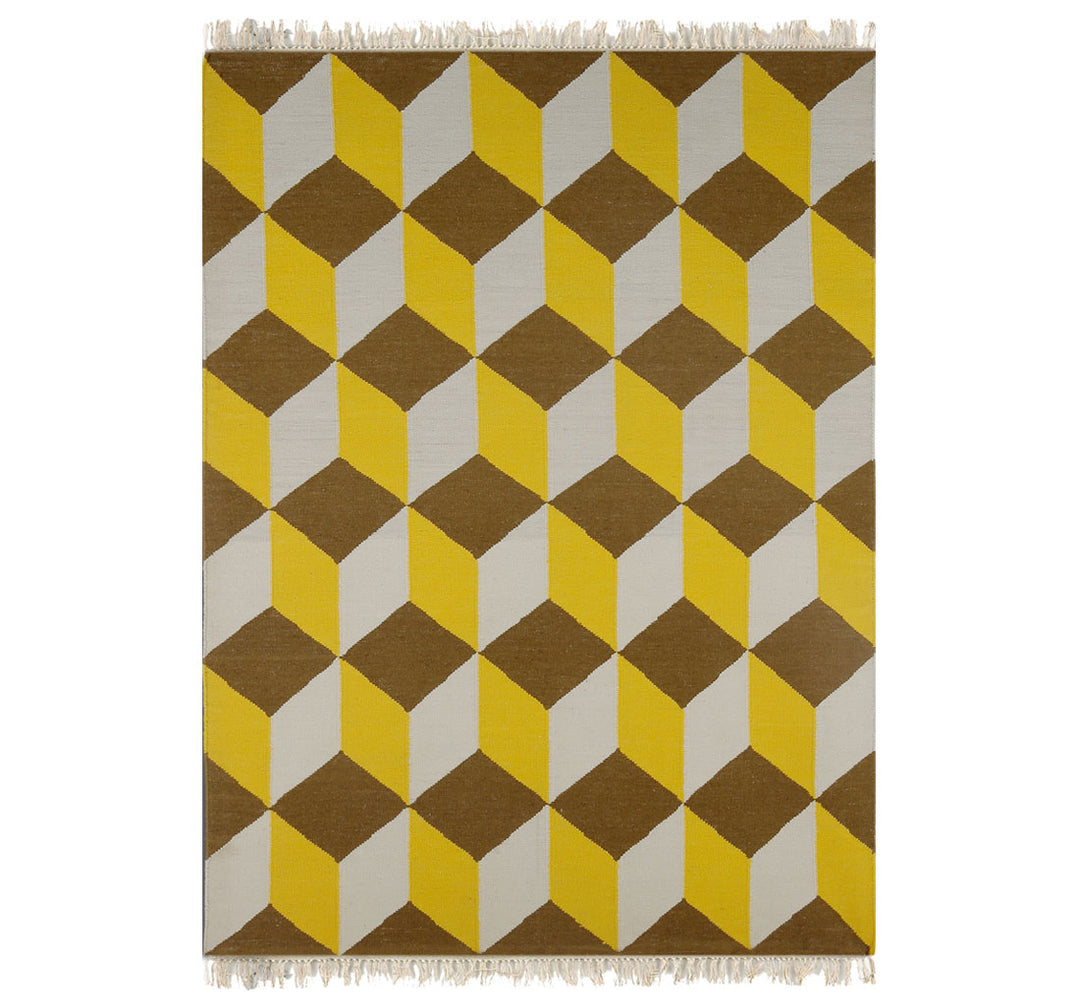
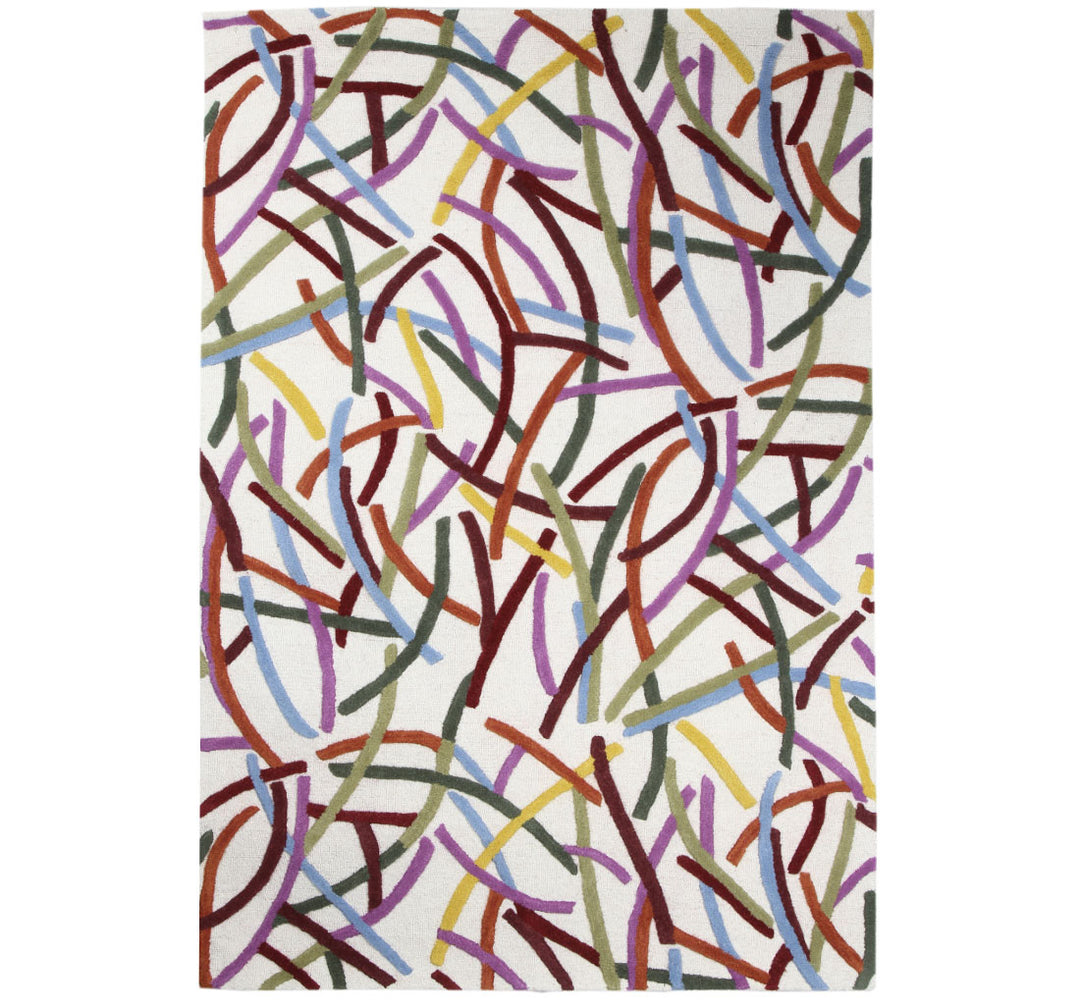
Alongside these collectible works, we offer hand-woven dhurries, hand-tufted wool carpets and natural-fibre rugs in jute, cotton and recycled textiles, with bespoke commissions available in custom sizes and palettes for residential and commercial interiors.









































Frequently Asked Questions
Buying & Choosing
Which rug size should I choose for my room?
The right size depends on the proportions of the room and the furniture layout. In a living room, a rug large enough to sit under all the furniture legs unifies the seating arrangement; a smaller rug placed beneath the coffee table defines a more contained zone. In a dining room, the rug should extend 60–70 cm beyond the table on every side so chairs stay on it when pulled out. In a bedroom, the rug usually sits under the lower two-thirds of the bed with 50–60 cm visible on either side.
Can rugs be custom made to size?
Yes. While our gallery rugs are offered in their original dimensions, we also commission hand-woven dhurries, hand-tufted wool carpets and natural-fibre rugs in custom sizes, colours and designs. We work with clients to create pieces tailored to specific interiors and project requirements.
Can handmade rugs be used in high-traffic areas?
Yes. Hand-knotted wool carpets and tightly woven kilims are structurally durable and well-suited to high-traffic areas. The lanolin in wool naturally resists soiling and abrasion, which is why handmade rugs in living rooms, hallways and studies often last decades with regular care.
Craft & Construction
What is the difference between a kilim and a hand-knotted carpet?
A kilim is a flatwoven rug made by interlacing warp and weft threads, creating a lightweight surface without a raised pile. Hand-knotted carpets are made by tying individual knots onto a foundation, producing a dense pile with greater thickness, texture and durability. Both techniques are hand-crafted, but they differ in structure, appearance and feel underfoot.
What is the difference between a kilim, a dhurrie and a soumak?
All three are handwoven without a knotted pile, but they use different techniques. Kilims, from Central Asia and the Middle East, are made by interlacing warp and weft threads, often with slit-weave geometric patterns. Dhurries, from the Indian subcontinent, use a tightly packed warp-faced weave. Soumaks wrap the weft threads around individual warps, producing a heavier surface with a distinctive raised texture.
Why do handmade rugs vary in colour and pattern?
Variations in colour — known as abrash — occur when wool is dyed in small batches, particularly with natural vegetable pigments. Different fibres absorb dye differently, producing tonal shifts across the surface. Pattern variations occur because the weaver follows the design by eye rather than from a mechanical grid, so each piece carries its own measure of irregularity. Both are signatures of authentic handcraft.
Are imperfections in a handmade rug normal?
Yes — and they are characteristics of the form, not flaws. Slight asymmetry, minor edge waviness or variations in motif width come from the tension of the hand-loom and the weaver's own touch. They are how a handwoven rug is distinguished from a machine-made one.
Provenance & Collecting
Are your Afghan rugs one of a kind?
Yes. Our gallery collection consists of individual vintage and contemporary rugs, each handwoven and unique. Variations in dye, weave, motif and finish are part of the character of handmade textiles and ensure that no two pieces are exactly alike.
What is a Khal Mohammadi rug?
Khal Mohammadi rugs are hand-knotted carpets from northern Afghanistan, named after the Ersari Turkmen master weaver and dyer who developed the tradition. They are recognised by their deep copper-red to aubergine tones, dense knot count, and repeated gül (medallion) motifs drawn from Turkmen tribal weaving.
What is the difference between Turkmen, Persian and Caucasian rugs?
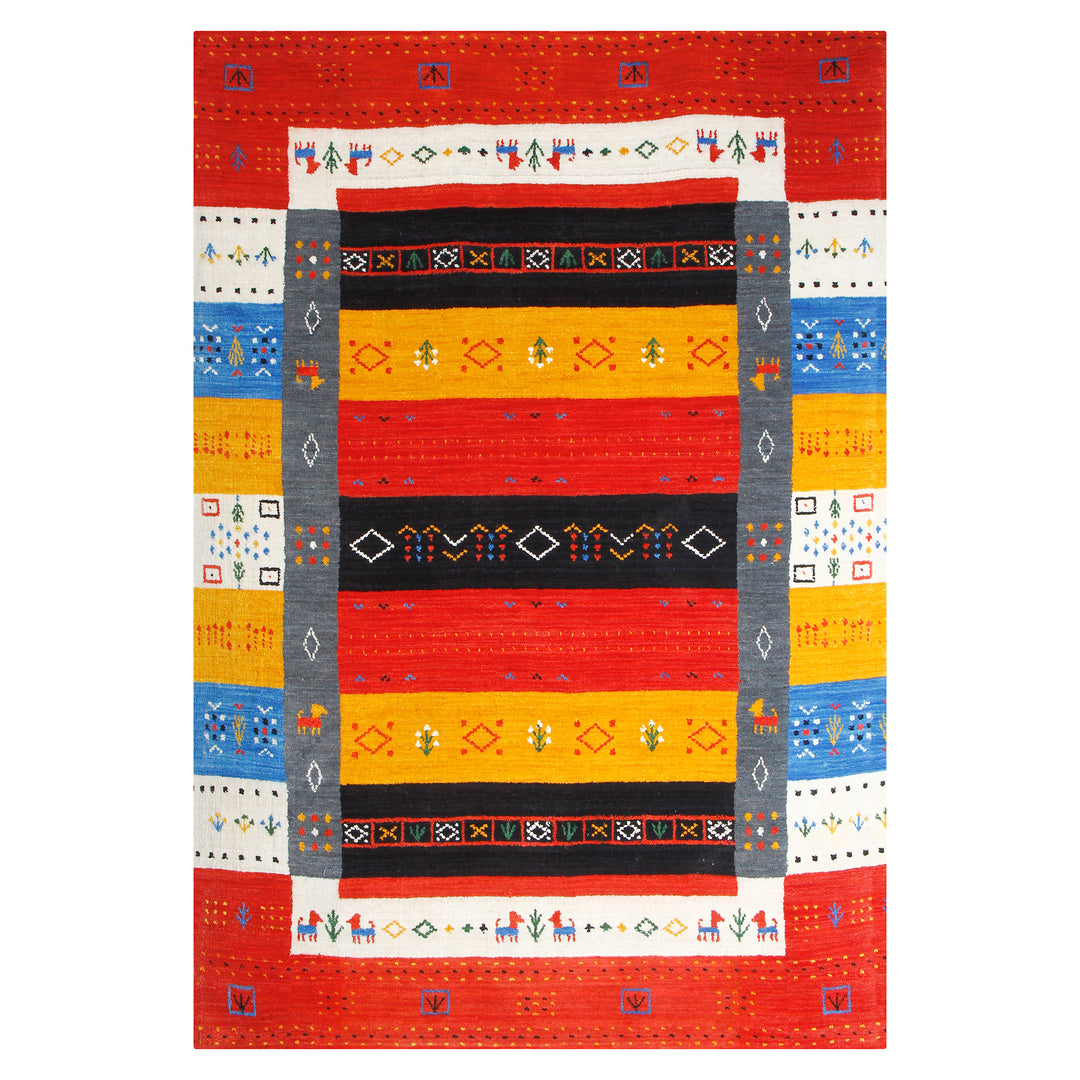
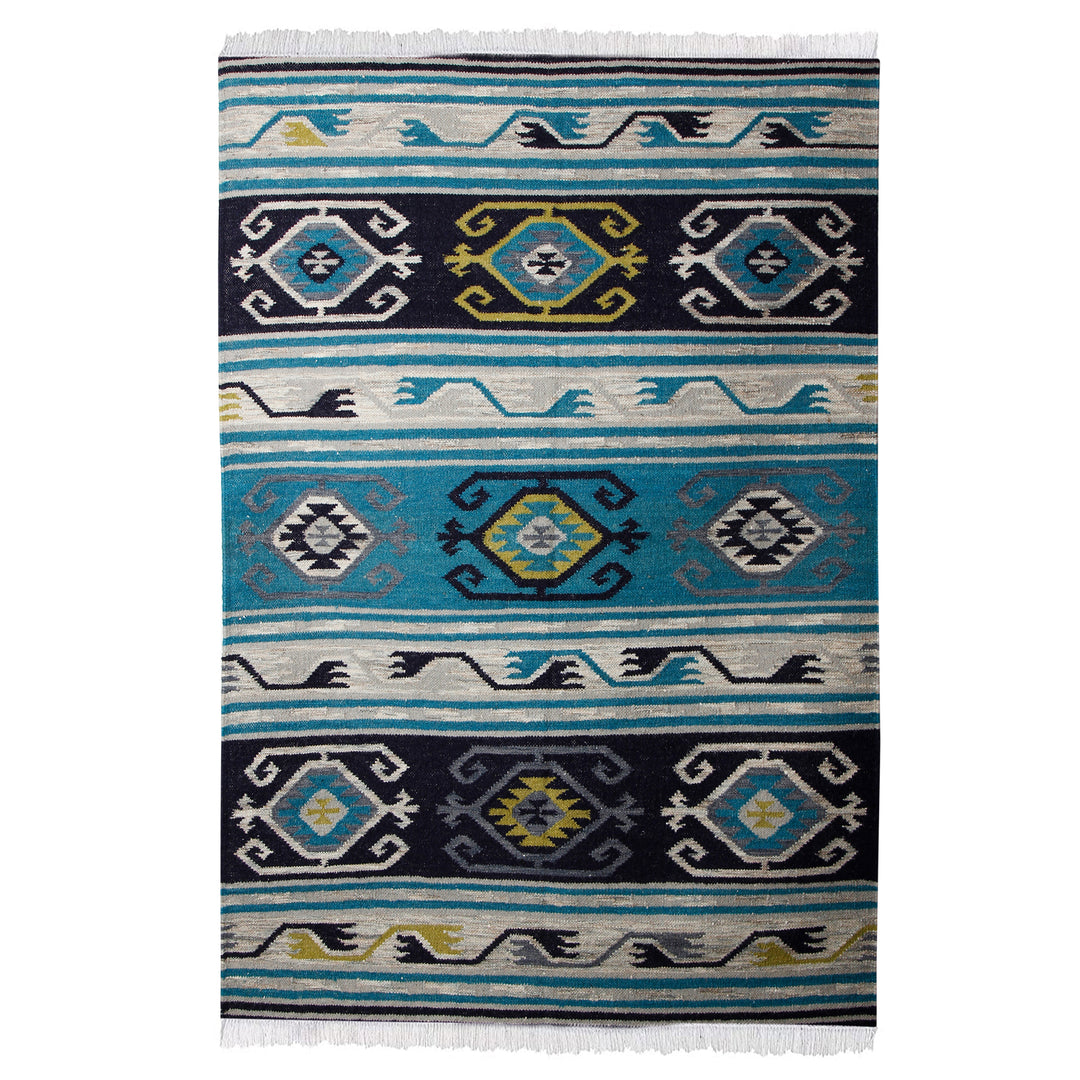
Turkmen rugs come from nomadic weaving traditions in Central Asia and are defined by repeated geometric medallions (güls), madder-red palettes and precise hand-knotting. Persian rugs, often woven in urban court workshops, lean toward curvilinear arabesques, floral patterns and complex central medallions. Caucasian rugs, from the Caucasus mountain region between the Black and Caspian Seas, are known for bold geometric tribal motifs and high-contrast block palettes built from a few primary colours.
How old does a rug need to be to be considered vintage?
A rug is generally classified as vintage when it is between 30 and 100 years old. By that age it has acquired a natural patina and softened tonal shifts from decades of light exposure and use. Rugs older than 100 years are considered antique.
What do traditional rug motifs mean?
Most traditional rug motifs carry symbolic meaning. The boteh — the pear-shaped or teardrop motif, sometimes called paisley — represents life, fertility and the eternal flame. The ram's horn signifies strength and protection. The tree of life bridges the earthly and the celestial, often symbolising immortality. Geometric birds and butterflies signal freedom, happiness and good fortune. Reading the motifs is part of how a piece is identified, both regionally and ceremonially.
Are your rugs coloured with natural dyes?
Many of our Afghan and traditional rugs are coloured with natural vegetable and mineral dyes — madder root for reds, indigo for blues, walnut husk for browns, pomegranate skin and weld for yellows. Natural dyes age slowly and develop a softer patina over time. Some contemporary production rugs use a combination of natural and modern synthetic dyes for colour consistency. Where the dye information is known for a specific piece, it is noted in the product description.
Care
How do I care for a wool kilim?
Vacuum regularly using suction only, without a rotating brush attachment. Rotate the rug periodically to ensure even wear, and blot spills immediately with a clean, dry cloth. Avoid harsh cleaning products and prolonged exposure to direct sunlight. For deeper cleaning, we recommend using a professional rug specialist experienced in wool and handmade textiles.
Can handmade rugs be professionally cleaned?
Yes, and they should be — every five to seven years for normal household use, sooner in high-traffic areas. Handmade wool and silk rugs should not be chemically dry-cleaned or steam-cleaned, since both can damage the natural fibres and dyes. They require traditional submersion hand-washing with pH-neutral soaps and flat drying, done by a specialist rug cleaner experienced in handmade textiles.